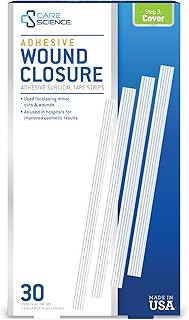
When it comes to managing minor cuts, lacerations, and surgical incisions, traditional stitches aren't always the best or only option. Enter Steri Strips, a form of reinforced adhesive skin closure that offers a needle-free, less invasive alternative for wound management. These medical-grade tapes have become a staple in first-aid kits, emergency rooms, and surgical suites worldwide. This comprehensive guide will delve into what Steri Strips are, how they work, their key benefits, and provide step-by-step instructions for proper use to ensure optimal wound healing.
What Are Steri Strips? Understanding Reinforced Adhesive Skin Closures
Steri Strips, generically known as adhesive skin closures or surgical tape, are thin, sterile strips of porous tape with a strong, hypoallergenic adhesive on one side. Unlike regular tape, they are specifically engineered for medical use on skin. The term "reinforced" often refers to versions that have additional strength and durability, like the 3M™ Steri-Strip™ Reinforced Adhesive Skin Closures. These products are designed to hold the edges of a clean, straight wound together, facilitating the body's natural healing process from the inside out. They act as a bridge, reducing tension on the wound and minimizing scar formation.
Steri Strips vs. Traditional Stitches: Key Benefits and Advantages
Choosing between adhesive skin closures and sutures depends on the wound type, location, and patient factors. Steri Strips offer several distinct advantages for appropriate wounds. Firstly, they are completely non-invasive, eliminating the pain, anxiety, and potential for needle-stick injuries associated with stitches. This makes them ideal for children or needle-phobic individuals. Secondly, they don't require a follow-up appointment for removal, as they typically fall off on their own as the wound heals. They also create a lower risk of infection since no foreign material (like suture thread) is introduced into the wound bed. Furthermore, they often result in less noticeable scarring because they apply even, lateral tension across the wound, promoting better cosmetic outcomes.
When to Use Steri Strips: Ideal Wound Types and Situations
Steri Strips are not a universal solution for all wounds. They are most effective for clean, straight-line lacerations with smooth, well-approximated edges. Common use cases include minor cuts from kitchen knives or paper, small surgical incisions (like after mole removal), and as a supplementary support after suture or staple removal to provide continued wound support. They are excellent for areas under low tension, such as the face, arms, or legs. However, they are generally not suitable for deep, jagged, or contaminated wounds, wounds over joints with high mobility, or wounds that are actively bleeding. In such cases, professional medical evaluation for stitches or other wound closure methods is crucial.
Step-by-Step Guide: How to Apply Steri Strips Correctly
Proper application is critical for Steri Strips to be effective. First, ensure the wound is clean. Gently wash the area with mild soap and water or a saline solution, and pat it completely dry with a sterile gauze pad. Control any bleeding by applying gentle pressure. Next, apply a skin protectant or adhesive barrier (like tincture of benzoin) around—not in—the wound. This enhances the tape's adhesion. Starting from the middle of the wound, apply the first strip perpendicularly across it, gently pulling the wound edges together. Place additional strips along the length of the wound, leaving small gaps between them for drainage. Finally, apply strips at the ends of the wound for extra security. Avoid stretching the strips too tightly.
Caring for Your Wound After Applying Steri Strips
Post-application care ensures the Steri Strips stay in place and the wound heals properly. Keep the area clean and dry for the first 24-48 hours. You can cover the area with a loose, sterile, non-stick dressing if needed. Avoid soaking the strips in water (e.g., long baths, swimming). When showering, pat the area dry immediately afterward. It's normal for the strips to curl at the edges over time; do not pull them off. They will naturally detach in 5-14 days as the skin underneath heals and regenerates. Monitor the wound for signs of infection, such as increased redness, swelling, warmth, pus, or fever, and consult a healthcare provider if these occur.
Common Mistakes to Avoid with Adhesive Skin Closures
Even with a simple product like surgical tape, mistakes can hinder healing. A major error is applying strips to a wet or dirty wound, which compromises adhesion and increases infection risk. Another is placing the strips parallel to the wound instead of perpendicular, which fails to hold the edges together. Applying strips under excessive tension can blanch the skin and cause irritation or even tissue damage. Picking or prematurely removing the strips can reopen the wound. Finally, using standard household tape instead of medical-grade reinforced adhesive strips is ineffective and can damage fragile new skin.
Why Choose 3M™ Steri-Strip™ Reinforced Adhesive Skin Closures?
Not all adhesive strips are created equal. The 3M™ Steri-Strip™ Reinforced Adhesive Skin Closures, R1547 represent the gold standard in this category. As a trusted name in 3M medical products, these strips offer superior strength and durability due to their reinforced design, making them more reliable for wounds that require firmer support. The porous tape backing allows for moisture vapor transmission, which helps keep the skin underneath healthy and reduces maceration. The hypoallergenic adhesive is strong yet gentle, minimizing the risk of skin reactions. Their consistent quality and sterility make them a preferred choice for both healthcare professionals and for well-stocked first-aid supplies at home or in the workplace.
Frequently Asked Questions About Steri Strips
Q: How long do Steri Strips stay on?
A: They typically remain in place for 5 to 14 days, depending on the wound location and individual healing rate. Let them fall off naturally.
Q: Can I get Steri Strips wet?
A: Brief exposure to water (like a quick shower) is usually fine, but you should pat the area dry immediately afterward. Avoid prolonged soaking.
Q: What if my Steri Strip falls off too early?
A> If the wound has been closed for at least 5-7 days, it may be sufficiently healed. If it falls off sooner and the wound edges separate, consult a healthcare provider. You may need to re-clean and apply new strips if the wound is still fresh.
Q: Are Steri Strips better than butterfly bandages?
A> Medical-grade Steri Strips are generally superior. They are sterile, more flexible, have a stronger medical adhesive, and are designed specifically for wound closure, whereas butterfly bandages are often less adhesive and not always sterile.
Conclusion: Integrating Steri Strips into Your Wound Care Strategy
Steri Strips are an invaluable tool in modern wound care. They provide a simple, effective, and patient-friendly method for closing appropriate minor wounds, reducing the need for invasive procedures and often improving cosmetic results. By understanding when and how to use them correctly—and opting for high-quality, reinforced products like the 3M™ Steri-Strip™—you can confidently manage minor injuries and support the body's remarkable healing process. Always remember that for deep, dirty, or complex wounds, seeking professional medical advice is the most important step.