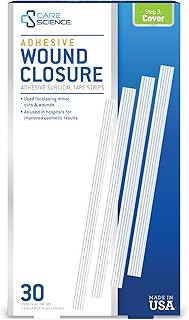
When faced with a minor cut or laceration, the immediate concern is proper closure to promote healing and minimize scarring. While stitches are often the first solution that comes to mind, they are not always necessary or practical. Enter Steri Strips, a simple yet highly effective medical adhesive tape designed for wound closure. These reinforced adhesive skin closure strips offer a non-invasive alternative to sutures for appropriate wounds, making them a staple in both professional medical kits and home first-aid supplies. This comprehensive guide will explore everything you need to know about using these versatile tools for effective minor cut care.
What Are Steri Strips and How Do They Work?
Steri Strips, generically known as adhesive skin closure strips or wound closure strips, are thin, reinforced pieces of surgical tape with a strong, hypoallergenic adhesive on one side. Unlike standard medical tape, they are specifically engineered to hold the edges of a wound together under tension, facilitating the body's natural healing process from the inside out. They work by approximating the skin edges, reducing tension on the wound, and creating an optimal environment for the formation of new tissue. For many clean, straight, and shallow lacerations, they can be just as effective as stitches without the need for needles, anesthesia, or a subsequent removal appointment. A product like the Sterile Strip 40 Strips provides a convenient and sterile wound closure option right at your fingertips.
Steri Strips vs. Stitches: Making the Right Choice
Choosing between Steri Strips and traditional sutures depends entirely on the nature of the wound. Steri strips are ideal for superficial, linear cuts with smooth edges that are not under high tension. They are perfect for wounds on flat surfaces like the forehead, arms, or legs. Key advantages include no needle punctures (reducing pain and infection risk), no need for anesthetic, and no professional removal required. They also leave minimal to no scarring when used correctly. Stitches, on the other hand, are necessary for deeper wounds, jagged tears, wounds over joints, or areas of high skin tension where stronger internal support is needed. Consulting a healthcare professional is always recommended for significant injuries, but for many common household accidents, wound closure strips serve as an excellent surgical tape alternative.
Step-by-Step Guide to Applying Steri Strips Correctly
Proper application is crucial for Steri Strips to be effective. First, control any bleeding by applying gentle pressure with a clean cloth. Next, thoroughly clean the wound and surrounding skin with mild soap and water or a saline solution, removing all debris. Pat the area completely dry; moisture will prevent the adhesive from sticking. Do not apply ointments to the wound bed itself before applying the strips, as this will also compromise adhesion. Gently bring the wound edges together. Starting from the middle of the wound, apply the first strip perpendicularly across it, pressing down firmly on both ends. Continue applying strips, spacing them about 1/8 inch apart, until the entire wound is closed. For added security, you can place longer "anchor" strips at each end, parallel to the wound. Using a pre-packaged, sterile product ensures you are not introducing contaminants.
Aftercare and Healing Timeline with Adhesive Skin Closures
Once applied, Steri Strips require minimal but specific care. Keep the area clean and dry for the first 24-48 hours. After that, you can gently wash the area with soap and water, patting it dry carefully. Avoid soaking the strips in baths, pools, or hot tubs. The strips are designed to fall off naturally as the wound heals and the skin regenerates beneath them, which typically takes 5 to 10 days. Never pull them off prematurely, as this can reopen the wound. If they get wet and start to peel at the edges, you can carefully trim the loose part with clean scissors. Monitor the wound for signs of infection, such as increased redness, swelling, warmth, pus, or fever. For optimal at-home wound care, having a reliable supply like a 40-strip pack ensures you can reapply if necessary and are prepared for future minor incidents.
Common Mistakes to Avoid When Using Wound Closure Strips
Even with a simple product, mistakes can hinder healing. The most common error is applying Steri Strips to a dirty or wet wound, which leads to poor adhesion and infection risk. Another mistake is placing the strips parallel to the wound instead of perpendicular, which does not provide the necessary pulling force to hold the edges together. Applying them too tightly can blanch the skin or cause irritation, while applying them too loosely will not effectively close the wound. Using them on inappropriate wounds, like deep punctures or heavily contaminated cuts, is a serious error that requires professional medical attention. Finally, neglecting to monitor the wound during healing can allow minor complications to escalate. By following proper technique and using high-quality, sterile products, you maximize the benefits of this effective wound management tool.
Conclusion: Empowering Effective At-Home Wound Management
Steri Strips are a powerful tool in modern first aid, offering a simple, less invasive, and often less painful method for closing suitable minor wounds. By understanding when and how to use them correctly—such as with a product like the Sterile Strip pack—you can confidently manage minor lacerations at home, promoting faster healing and better cosmetic outcomes. They embody the principle of effective at-home wound care, bridging the gap between a bandage and a stitch. Always remember that for deep, gaping, dirty, or facial wounds, or if you are unsure, seeking professional medical advice is paramount. For the myriad of small cuts and scrapes life brings, having these adhesive skin closures in your medicine cabinet is a smart step toward being prepared.