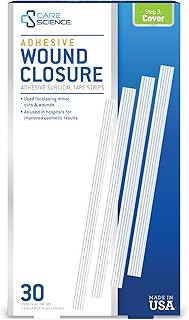
When faced with a minor cut, laceration, or surgical incision, the immediate concern is proper closure to promote healing and minimize scarring. While stitches (sutures) are a well-known solution, they aren't always necessary or ideal for every situation. This is where adhesive skin closures, commonly known as Steri Strips, offer a brilliant alternative. These sterile, hypoallergenic tapes provide a non-invasive method to hold wound edges together, facilitating the body's natural healing process. Whether you're stocking a home first-aid kit or recovering from a minor procedure, understanding how and when to use these tools is essential for effective wound care.
Steri Strips, also called butterfly closures or reinforced wound closure strips, are thin, adhesive strips made from a porous, breathable material like rayon or a non-woven fabric. They are coated with a medical-grade adhesive on one side. Their key design feature is reinforcement—often with a central, non-adhesive "bridge" or a stronger backing material—which provides the tensile strength needed to hold skin together without stretching or tearing. Unlike standard bandages that simply cover a wound, these strips are engineered specifically for approximation, meaning they pull and secure the two edges of a clean cut together so they can heal as one.
Benefits of Using Steri Strips for Wound Closure
Choosing Steri Strips over other closure methods comes with a host of advantages, particularly for suitable wounds. First and foremost, they are non-invasive. There are no needles, no puncturing of the skin, and consequently, no associated pain from the application process itself. This makes them an excellent option for children or individuals with a fear of needles. They also eliminate the risk of needle-stick injuries for the caregiver.
Secondly, they create a lower risk of infection. Sutures, while sterile, involve creating additional puncture wounds along the laceration line, which can become potential entry points for bacteria. Sterile adhesive strips sit on top of the skin, minimizing this risk. Furthermore, they are hypoallergenic and latex-free for most quality brands, reducing the chance of skin irritation or allergic reactions—a critical consideration for sensitive skin.
From a healing perspective, Steri Strips promote a better cosmetic outcome. By evenly distributing tension across the wound, they help prevent the "railroad track" scarring sometimes associated with sutures. They also allow for slight, natural movement of the skin, which can be beneficial. Perhaps one of the most practical benefits is the ease of aftercare; there's no need for a follow-up appointment for removal, as they typically fall off on their own once healing is underway.
When to Use Steri Strips: Ideal Wound Types
Steri Strips are not a universal solution. Their effectiveness depends entirely on the nature of the injury. They are ideally suited for:
- Clean, Straight Cuts: Linear lacerations with smooth, well-defined edges that can be easily brought together.
- Minor Lacerations: Cuts that are not too deep (typically not into the fat layer beneath the skin) and are not actively bleeding heavily.
- Low-Tension Areas: Wounds on parts of the body where the skin is not constantly stretching or moving aggressively, such as the forehead, arms, or legs. They can be used on joints with caution and proper application.
- Surgical Incision Support: Often used after suture or staple removal to provide continued support to the healing incision line, preventing it from reopening.
- Fragile Skin: Excellent for elderly patients or those with thin, delicate skin where sutures might tear through.
It is crucial to recognize when not to use Steri Strips. They are unsuitable for deep, gaping wounds; jagged or contaminated lacerations; wounds on high-mobility areas under significant tension (like over major joints, without additional support); animal or human bites; or puncture wounds. In these cases, seeking professional medical attention for evaluation and possible sutures is imperative.
Step-by-Step Guide: How to Apply Steri Strips Correctly
Proper application is the key to the success of butterfly wound closure. Incorrect technique can lead to wound dehiscence (reopening) or poor healing. Follow these steps for optimal results:
- Prepare the Wound: First, control any bleeding by applying gentle pressure with a clean cloth. Then, clean the wound and surrounding skin thoroughly with mild soap and water or a sterile saline solution. Pat the area completely dry with a sterile gauze pad. Moisture will prevent the adhesive from sticking.
- Prepare the Skin: If there is hair around the wound, carefully trim it (do not shave, as micro-cuts can introduce bacteria). You may use a skin adhesive barrier wipe (like tincture of benzoin) on the dry skin around—but not inside—the wound. This creates a tacky surface that significantly improves strip adhesion, but it is optional.
- Approximate the Edges: Gently push the wound edges together so they meet evenly. Have a helper hold them in this position if needed.
- Apply the First Strip: Take your first sterile closure strip and peel it from its backing. Do not touch the adhesive center. Place it perpendicular to the wound line, centered directly over the cut. Press down firmly on one end, gently pull the skin slightly to close the gap, and then press down the other end. The strip should be relaxed, not stretched taut, when finally adhered.
- Add Additional Strips: Apply subsequent strips parallel to the first one, spacing them about 1/8 to 1/4 inch apart. Place them along the entire length of the wound. Generally, 3-5 strips are sufficient for a small laceration.
- Final Seal (Optional): For added security, especially in areas prone to moisture, you can apply one or two longer strips horizontally over the ends of the vertical strips, creating a "picture-frame" effect.
Steri Strips vs. Stitches: Making the Right Choice
The decision between adhesive strips and sutures hinges on several clinical factors. Stitches are superior for deep wounds that need multi-layer closure, wounds under high skin tension (like over joints), jagged lacerations, or wounds on areas like the hands or feet where precise alignment is critical for function. They provide stronger, more reliable closure for injuries that would otherwise struggle to heal.
Steri Strips, as a surgical tape alternative, excel in the scenarios mentioned earlier. They are often the preferred choice for superficial, low-tension, clean cuts. A practical hybrid approach is also common: a doctor may use a few dissolvable sutures underneath the skin for strength and then apply Steri Strips on the surface for fine alignment and cosmetic benefit. For home use on minor injuries, a high-quality pack like the Butterfly Wound Closure Strips provides a reliable first-aid supplies staple.
Aftercare and Healing: What to Expect
Once applied, care for the wound and the strips is straightforward but important. Keep the area clean and dry for the first 24-48 hours. You can shower, but pat the area dry gently afterward; do not rub or soak it. The strips are nonstick, so they shouldn't adhere to the wound bed itself.
The strips will typically begin to curl at the edges and fall off on their own in 5 to 10 days as the skin heals and naturally exfoliates. Do not pull them off prematurely. If they haven't fallen off after 10-14 days, you can gently loosen them by applying mineral oil or petroleum jelly to the adhesive and then peeling them back slowly in the direction of hair growth.
Monitor for signs of infection: increasing redness, swelling, warmth, pus, or red streaks leading from the wound, or if you develop a fever. If any of these occur, consult a healthcare professional immediately.
Choosing the Right Product: Features to Look For
Not all adhesive wound closures are created equal. When selecting a product for your home, travel, or professional kit, prioritize these features:
- Sterility: Ensures the product is free from pathogens at the time of use, crucial for preventing infection.
- Hypoallergenic & Latex-Free Adhesive: Minimizes the risk of contact dermatitis or allergic reactions.
- Reinforced Design: Look for strips described as "reinforced" or "butterfly" style, which offer greater strength than simple surgical tape.
- Breathable Material: Allows moisture vapor to escape, preventing maceration of the healthy skin underneath.
- Non-Stick Pad (if included): Some strips have a small non-adhesive pad in the center to sit directly over the wound, providing extra protection.
A product like the Butterfly Wound Closure Strips Pack of 100 embodies these qualities, offering a sterile, hypoallergenic, and latex-free solution that is a versatile component of comprehensive wound management. Having a reliable supply on hand means you're prepared to handle minor injuries promptly and effectively, promoting faster healing with minimal scarring.
Conclusion: A Simple Tool for Effective Healing
Steri Strips are a testament to the principle that sometimes simpler is better in medicine. By providing a gentle, non-invasive, and highly effective means of closing minor wounds, they empower individuals to manage everyday injuries confidently. Their role in reducing infection risk, minimizing pain, and improving cosmetic outcomes makes them an indispensable item in any well-stocked first-aid arsenal. Whether used alone for a small cut or as a supportive measure after medical treatment, understanding their proper use ensures you harness their full potential for safe and optimal wound healing. Always remember, when in doubt about the severity of a wound, seeking professional medical advice is the safest course of action.