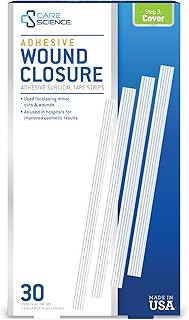
Steri Strips, also known as adhesive skin closures, are a staple in first aid kits and medical practices for managing minor cuts, lacerations, and surgical incisions. As a convenient alternative to traditional stitches, they offer a less invasive way to bring wound edges together, promoting healing with minimal scarring. However, their simplicity can be deceptive. Many people, from concerned parents at home to patients managing post-operative care, fall into common traps that can compromise the healing process, lead to infection, or cause unnecessary skin irritation. This guide will walk you through the five most frequent mistakes made when using Steri Strips and provide expert-backed strategies to ensure your wound closes perfectly.
Mistake #1: Applying Steri Strips to a Dirty or Wet Wound
The single most critical step in wound care happens before the closure device is even unwrapped. Applying any adhesive closure, including reinforced strips, to a wound that isn't properly cleaned and dried is a recipe for trouble. Bacteria trapped under the strip can lead to infection, while moisture prevents the adhesive from forming a secure bond, causing the strips to peel off prematurely.
The Right Way: Proper Wound Preparation
First, control any bleeding by applying gentle pressure with a clean cloth. Then, gently rinse the wound with clean, running water or a sterile saline solution. Avoid using harsh antiseptics like hydrogen peroxide or iodine directly in the wound, as they can damage healthy tissue and delay healing. Pat the surrounding skin completely dry with a sterile gauze pad. The skin must be absolutely dry and free of oils, lotions, or ointments for the adhesive to stick effectively. This foundational step is non-negotiable for the success of any adhesive skin closure.
Mistake #2: Incorrect Placement and Tension
Simply slapping a strip across a cut isn't enough. A common error is placing the strips parallel to the wound or pulling them too tight. Parallel placement doesn't bring the wound edges together. Excessive tension can cause skin blisters, necrosis (tissue death) at the edges, or create a puckered scar. Conversely, not applying enough tension leaves the wound gaping.
The Right Way: The "Bridge" Technique
Steri Strips should act as bridges. Start by applying the first strip perpendicular to the wound, about halfway along its length. Gently pinch the wound edges together with your fingers and lower the strip onto one side, then smoothly press it across to the other side, creating slight approximation—not strangulation. Leave a small gap between strips for skin ventilation. For longer wounds, apply additional strips alternately from the center outwards. This technique ensures even pressure and optimal alignment. For a product designed for this purpose, consider the reinforced Steri-Strips from 3M, which offer greater strength and durability for securing wound edges.
Mistake #3: Getting Them Wet Too Soon and Improper Drying
Many assume that because they are "water-resistant," Steri Strips can handle a shower immediately. This is a misunderstanding. While the adhesive is resistant, soaking or directing a strong stream of water at them can loosen the bond. Furthermore, failing to dry them properly afterwards creates a damp environment perfect for bacterial growth and maceration (softening) of the skin.
The Right Way: Smart Showering and Drying
It's generally safe to shower after 24-48 hours, but avoid bathing, swimming, or soaking the area. In the shower, briefly expose the area to water and pat it dry immediately afterwards with a clean towel. Do not rub. Then, gently dab the strips and surrounding skin with a dry gauze pad or use a hairdryer on the cool setting held at least 12 inches away to ensure complete dryness. Proper care of your surgical tape is key to its longevity and effectiveness.
Mistake #4: Picking or Peeling Them Off Prematurely
Itchy, peeling edges are tempting to pick at. However, removing Steri Strips before the wound has gained sufficient strength is a major error. It can reopen the wound, introduce infection, and disrupt the delicate healing matrix, leading to a wider scar.
The Right Way: Let Them Fall Off Naturally
Steri Strips are designed to stay on for 5 to 14 days, depending on the wound location and type. They will typically curl and fall off on their own as the skin underneath heals and regenerates. If they are still firmly attached after two weeks, you can aid removal by soaking them with a cotton ball soaked in warm water or saline to loosen the adhesive. Never force or rip them off. Patience is a critical component of wound closure care.
Mistake #5: Ignoring Signs of Infection or Complications
Assuming "no news is good news" can be dangerous. Steri Strips cover the wound, making it easy to miss early warning signs of infection or an adverse reaction.
The Right Way: Monitor and Act
Check the wound daily. Remove the dressing if you notice any of the following signs: increasing redness spreading from the wound edges, swelling, throbbing pain, pus or foul-smelling discharge, red streaks leading from the wound, or fever. These indicate a possible infection requiring medical attention. Also, watch for signs of an allergic reaction to the adhesive, such as intense itching, rash, or blistering around the strip sites. Having reliable first aid supplies means knowing when to use them and when to seek professional help.
When Are Steri Strips the Right Choice?
Understanding their best use case prevents the fundamental mistake of using them on an inappropriate wound. Steri Strips are ideal for clean, straight, low-tension cuts on areas of the body that don't flex excessively (like the forehead, shin, or torso). They are perfect for closing the edges of a well-cleaned kitchen knife cut or a small laceration from a fall.
They are not suitable for:
- Deep wounds that gap open or show fat, muscle, or bone.
- Dirty, contaminated, or infected wounds.
- Wounds on high-mobility joints (like knees or elbows) unless specifically supported.
- Wounds with uneven or jagged edges.
- Wounds on very hairy areas unless the hair is carefully clipped (never shaved, as micro-cuts can introduce bacteria).
For these situations, professional medical evaluation for stitches, staples, or specialized wound care is essential. The reinforced design of products like those from 3M Medical provides extra hold for appropriate wounds, but does not replace professional judgment.
Conclusion: Mastering Simple Tools for Better Outcomes
Steri Strips are a powerful, user-friendly tool in wound management when used correctly. By avoiding these five common mistakes—poor wound prep, incorrect application, improper wetting, premature removal, and ignoring warning signs—you empower yourself to facilitate a smoother, faster, and less noticeable healing process. Always start with a comprehensive medical supplies kit that includes quality adhesive closures, and remember that when in doubt about a wound's severity, consulting a healthcare professional is the wisest first step. Proper technique transforms a simple strip of tape into an effective agent of healing.