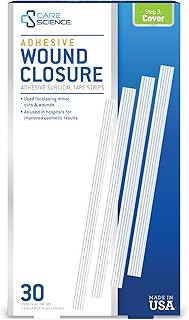
When it comes to closing a wound, the immediate thought often goes to stitches or staples. However, there's a highly effective, less invasive, and often more comfortable alternative: Steri Strips. These reinforced skin closures are a staple in first-aid kits, emergency rooms, and post-surgical care protocols for good reason. They offer a unique combination of strength, flexibility, and simplicity that makes them ideal for a variety of lacerations and surgical incisions.
This article delves deep into the world of reinforced skin closures. We'll explore what they are, how they work, their key advantages over traditional methods, and provide a step-by-step guide on their proper application and removal. Whether you're a medical professional, someone recovering from surgery, or simply looking to upgrade your home first-aid supplies, understanding the role of steri-strips is essential.
What Are Steri Strips? Understanding Reinforced Skin Closures
Steri Strips are a type of medical adhesive tape specifically designed for wound closure. Unlike standard surgical tape, they are reinforced with filaments (often rayon or other synthetic materials) that run lengthwise along the strip. This reinforcement is the key to their functionality. It provides significant tensile strength, allowing the strips to hold wound edges together firmly without stretching or tearing easily, much like tiny, external stitches.
They are typically made from a porous, hypoallergenic tape backing coated with a strong, skin-friendly adhesive. This design allows the skin to breathe and for wound exudate (moisture) to evaporate, which is crucial for preventing maceration and promoting a healthy healing environment. Products like the Steri-Strip Reinforced Skin Closures come in convenient, sterile packs, making them ready for immediate use in both clinical and clean home settings.
The Key Benefits: Why Choose Steri Strips Over Stitches?
The advantages of using reinforced skin closures are numerous, making them a preferred choice for many types of wounds.
- Minimally Invasive & Painless: Application involves no needles, which means no local anesthetic and no associated pain or anxiety. This is particularly beneficial for children, individuals with needle phobias, or for wounds on sensitive areas.
- Reduced Risk of Infection: Since the skin is not punctured, there is no pathway for bacteria to enter the deeper tissue, as can sometimes happen with suture or staple holes. This makes them an excellent surgical tape alternative for clean, low-tension closures.
- No Need for Removal in Many Cases: Steri Strips are designed to fall off naturally as the wound heals and the skin regenerates underneath. This eliminates a follow-up doctor's visit for stitch removal and the discomfort associated with it.
- Cosmetically Superior Results: By holding the skin edges in perfect apposition without puncturing it, Steri Strips can minimize scarring. They help prevent the "railroad track" marks sometimes left by sutures.
- Flexibility and Comfort: The reinforced fabric allows for natural skin movement and flexion, which is vital for wounds over joints. They are also less likely to catch on clothing compared to bulky dressings.
Ideal Use Cases: When Are Steri Strips the Right Choice?
Steri Strips are versatile but not suitable for every wound. They are most effective for specific scenarios commonly encountered in first-aid supplies and clinical care.
- Linear Lacerations: Clean, straight cuts with smooth, well-approximated edges are ideal. They are perfect for many kitchen accidents, paper cuts that are deep, or minor work-related injuries.
- Low-Tension Wounds: Wounds on areas of the body where the skin is not under constant pulling or stretching force. They are excellent for facial lacerations or wounds on the torso.
- Post-Surgical Incisions: After certain surgeries, surgeons may use Steri Strips to provide additional support after sutures or staples are removed, or sometimes as the primary closure method for very superficial layers. They are a cornerstone of post-surgical care.
- Supplementing Sutures/Staples: They can be applied perpendicular to a suture line to provide extra support and reduce tension on the individual stitches, promoting better healing.
- Fragile Skin: For elderly patients or those with thin, delicate skin that might tear under sutures, Steri Strips offer a gentler closure method.
It's important to note that Steri Strips are not suitable for deep, jagged, or heavily bleeding wounds, wounds with signs of infection, wounds over high-mobility joints under significant tension, or animal bites. These require professional medical evaluation and likely traditional closure methods.
How to Apply Steri Strips: A Step-by-Step Guide
Proper application is critical for success. Follow these steps for optimal wound closure:
- Prepare the Wound: Control any bleeding by applying gentle pressure with a clean cloth. Thoroughly clean the wound and the surrounding skin (about 2 inches around it) with mild soap and water or a sterile saline solution. Pat the area completely dry. Moisture will prevent the adhesive from sticking.
- Prepare the Skin: If there is hair around the wound, carefully clip it short. Do not shave, as micro-cuts can introduce bacteria. Use a skin prep wipe or tincture of benzoin on the dry skin around the wound (not in it). This creates a tacky surface that dramatically improves adhesive hold, especially in moist areas or for longer-term wear.
- Approximate the Edges: Gently push the wound edges together so they meet evenly. Have a helper hold them in place if needed.
- Apply the First Strip: Take a medical adhesive strip and place it perpendicular to the wound, directly over the center. Don't stretch it; just lay it down smoothly. Press firmly from the center outwards to ensure good adhesion.
- Apply Additional Strips: Continue placing strips perpendicular to the wound, spacing them about 1/8 to 1/4 inch apart. Work outwards from the center strip. Each strip should anchor to healthy skin on both sides of the wound.
- Apply Anchoring Strips (Optional but Recommended): For extra security, place two longer strips parallel to the wound, over the ends of the perpendicular strips. This creates a "bridge" that prevents the ends from peeling up first.
Aftercare and Removal: Ensuring Optimal Healing
Good aftercare protects the closure and the wound. Keep the area clean and dry. You can cover it with a loose, non-stick dressing if it's in an area prone to dirt or friction. Avoid soaking the strips in water (quick showers are fine, but pat dry afterward). Avoid applying ointments or creams directly on the strips, as they can dissolve the adhesive.
Let the Steri Strips fall off naturally, which usually happens in 5 to 14 days as the skin cells regenerate. If they haven't fallen off after two weeks and the wound appears healed, you can gently remove them. To remove, loosen the ends with a cotton ball soaked in baby oil or medical adhesive remover. Never pull them off dry against the direction of hair growth, as this can damage the new skin.
Choosing the Right Product: What to Look For
Not all wound closure strips are created equal. When selecting a product for your medical cabinet or clinical setting, consider the reinforced skin closures that offer:
- Sterility: Individually wrapped, sterile envelopes prevent contamination.
- Reinforcement: Ensure the product specifies it is reinforced for strength.
- Hypoallergenic Adhesive: To minimize the risk of skin irritation or reaction.
- Porous Material: Allows the wound to breathe.
- Convenient Packaging: Packs like the 20 Pack of 6 Strip Envelope (totaling 120 strips) are cost-effective for frequent use or for stocking multiple first-aid kits.
For reliable lacerations treatment at home or in a professional capacity, investing in a high-quality product is paramount. The strength and reliability of genuine reinforced closures make a significant difference in outcome compared to flimsy standard tapes.
Conclusion
Steri Strips represent a brilliant convergence of simple design and powerful medical utility. As reinforced skin closures, they provide a strong, flexible, and patient-friendly method for managing a wide array of wounds. By understanding their proper use—from selecting the right wound to mastering application technique—you can leverage this tool to promote faster, cleaner, and less painful healing with minimal scarring. Whether you're adding them to your home first-aid preparedness or utilizing them in a clinical setting, these versatile strips are an indispensable component of modern wound care.