Steri Strips: Your Guide to Effective Wound Closure & Healing
When it comes to managing small cuts, surgical incisions, or wounds post-sutures, finding the right closure method is crucial for healing and minimizing scarring. Among the various options available, Steri Strips have emerged as a trusted, non-invasive alternative to traditional stitches. These thin, breathable adhesive strips are designed to hold wound edges together firmly, promoting natural healing. This guide will explore everything you need to know about Steri Strips, from how they work and their benefits to proper application and aftercare, helping you make an informed decision for effective wound management.
What Are Steri Strips and How Do They Work?
Steri Strips, also known as wound closure strips or surgical tape, are medical-grade adhesive strips made from a porous, non-woven material. Their primary function is to approximate (bring together) the edges of a clean, straight wound without puncturing the skin. Unlike sutures or staples, which create additional trauma, these strips work on the surface, reducing tension and providing a supportive environment for the body's natural healing processes. The breathable design allows for air circulation and moisture vapor transmission, which is vital for preventing maceration and infection. They are particularly effective for low-tension wounds on flat surfaces of the body.
Key Benefits of Using Steri Strips for Wound Care
Choosing suture alternative like Steri Strips offers several distinct advantages for both patients and healthcare providers. First, they are virtually painless to apply and remove, making them ideal for children or sensitive areas. They eliminate the need for needle punctures, thereby reducing the risk of needle-stick injuries and patient anxiety. Second, because they don't penetrate the skin, they significantly lower the risk of introducing infection along the suture track. Third, they often result in less noticeable scarring compared to traditional closures, as they minimize tissue trauma and inflammation. Finally, their application is quick and doesn't require local anesthesia or specialized removal tools, simplifying the entire wound care process.
When to Use Steri Strips: Ideal Applications
Steri Strips are versatile but are best suited for specific types of wounds. They are highly effective for closing clean, straight lacerations with edges that can be easily approximated, such as those from a kitchen knife or a surgical scalpel. They are an excellent choice for wounds on the face, where cosmetic outcome is a priority, or on areas with thin skin. They are also commonly used as a follow-up treatment after sutures or staples have been removed; applying strips for an additional week can provide continued support to the healing tissue, preventing wound dehiscence (re-opening). For minor cuts and abrasions, they serve as superior adhesive bandages, offering better hold and breathability than standard band-aids.
Step-by-Step Guide: How to Apply Steri Strips Correctly
Proper application is critical for Steri Strips to be effective. First, ensure the wound is clean, dry, and free of debris by gently washing with mild soap and water or a saline solution. Pat the surrounding skin completely dry, as moisture will prevent adhesion. Do not apply ointments to the area where the strip will adhere. Next, carefully bring the wound edges together. Starting from one end, place the first strip perpendicular across the wound, leaving equal lengths on both sides. Press firmly from the center outwards to ensure good contact. Apply subsequent strips parallel to the first, spaced about 1/8 to 1/4 inch apart, until the entire wound is supported. For added strength, you can place longer "anchor" strips at each end, running parallel to the wound. Always handle the strips by their backing paper to avoid contaminating the adhesive.
Comparing Steri Strips to Other Wound Closure Methods
Understanding how Steri Strips stack up against other closure methods helps in selecting the right tool. Compared to sutures, strips are less invasive, reduce infection risk from puncture, and don't require a follow-up visit for removal. However, sutures provide much higher tensile strength and are necessary for deep, gaping, or high-tension wounds (like over joints). Compared to surgical staples, strips are more comfortable and leave no puncture marks, but staples are faster for long incisions and provide robust closure. Compared to tissue adhesive (skin glue), both are surface-level, but glue can be messier to apply and forms a waterproof seal, whereas strips are breathable and allow for easier wound monitoring. For many small, straightforward wounds, Steri Strips offer the ideal balance of efficacy, comfort, and cosmetic result.
Aftercare and Removal: Ensuring Optimal Healing
Once applied, care for the wound and the strips is straightforward. Keep the area dry for the first 24-48 hours. After that, you can shower, but pat the strips dry gently afterwards; avoid soaking them in a bath or pool. Do not pull or pick at the edges. The strips will typically fall off on their own in 5-10 days as the skin regenerates and natural oils loosen the adhesive. If they need to be removed, soak them with a cotton ball saturated in warm water or a mild oil (like baby oil) for a few minutes to weaken the adhesive, then gently peel them back toward the wound, never pulling away perpendicularly. Inspect the healing wound; slight redness is normal, but signs of increased pain, swelling, warmth, or pus require medical attention. Continuing to protect the healed area from sun exposure can help minimize scar discoloration.
Choosing the Right Product: What to Look For
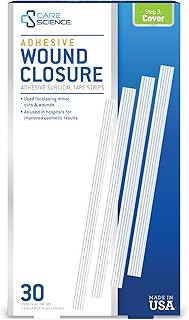
Not all wound closure strips are created equal. When selecting a product, consider the adhesive strength, breathability, and width. For most small to medium wounds, a standard breathable strip is sufficient. For areas that flex or are prone to moisture, look for strips with a stronger, waterproof or water-resistant adhesive. The width of the strip should be appropriate for the wound; wider strips provide more support for larger wounds. A product like the Steri-Strip Wound Closure kit, which contains 30 breathable strips designed to hold small wounds firmly closed, is an excellent example of a comprehensive solution for home first aid supplies or post-procedure care. It provides the essential tools needed for effective wound management without the complexity of more invasive methods.
Conclusion: A Simple, Effective Tool for Wound Management
Steri Strips represent a significant advancement in simple wound care, offering a reliable, low-trauma alternative to stitches for appropriate injuries. Their ease of use, patient comfort, and positive cosmetic outcomes make them a valuable addition to any home, travel, or clinical first aid kit. By understanding when and how to use them correctly—on clean, low-tension wounds—you can promote faster healing, reduce scarring, and avoid the discomfort associated with needles. Whether used as a primary closure method or for added support after suture removal, these breathable strips are a testament to the principle that sometimes the simplest solutions are the most effective for supporting the body's incredible ability to heal itself.