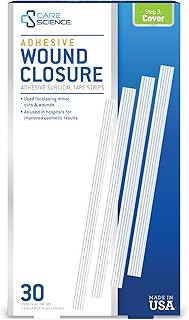
When it comes to closing a wound, many people immediately think of stitches or staples. However, there's a simpler, often less intimidating alternative that's highly effective for certain types of injuries: Steri Strips. These adhesive skin closures are a staple in first aid kits, hospitals, and homes for managing clean, low-tension cuts and surgical incisions. Whether you're a parent dealing with a child's scrape, an athlete managing a minor injury, or someone recovering from surgery, understanding how and when to use Steri Strips is a valuable piece of medical knowledge. This comprehensive guide will walk you through everything you need to know, from their mechanism of action to step-by-step application and removal.
What Are Steri Strips?
Steri Strips, also known as adhesive skin closures or butterfly bandages, are thin strips of sterile, hypoallergenic tape with a strong adhesive backing. They are designed to hold the edges of a clean, straight wound together, promoting healing by secondary intention—meaning the skin edges are approximated to heal with minimal scarring. Unlike sutures, they don't pierce the skin, which reduces the risk of infection and is far less painful to apply. They are commonly used for lacerations that are not too deep, surgical incision support after suture removal, and in situations where a healthcare professional deems stitches unnecessary.
When to Use Steri Strips vs. Stitches
Choosing the right wound closure method is crucial for proper healing. Steri Strips are ideal for specific scenarios. They work best on linear, clean cuts with straight edges that easily align. They are perfect for shallow lacerations on areas of low skin tension, like the face, forearm, or lower leg. They are also excellent for providing additional support to a healing surgical wound after the doctor removes the staples or stitches. However, for deep wounds, jagged tears, wounds over joints (high tension), wounds on the scalp, or contaminated injuries, medical-grade sutures or staples are necessary. A good rule of thumb: if the wound gapes open, is deep enough to see fat or muscle, or won't stop bleeding with direct pressure, seek medical attention immediately instead of relying on strips.
Advantages of Using Steri Strips
The benefits of Steri Strips extend beyond their simplicity. First, they are non-invasive, eliminating the pain and anxiety associated with needles and sutures. This makes them particularly useful for children and needle-phobic individuals. Second, they create a lower risk of infection since there is no foreign material (like suture thread) penetrating the skin barrier. Third, they are easy to apply and remove at home with proper instruction. Finally, they often result in less noticeable scarring compared to stitches when used on appropriate wounds, as they minimize tension on the skin edges.
Step-by-Step Guide: How to Apply Steri Strips Correctly
Proper application is key to the effectiveness of Steri Strips. Follow these steps for best results. First, ensure the wound is clean. Gently rinse it with clean water or a saline solution to remove any debris. Pat the surrounding skin completely dry with a sterile gauze pad; moisture will prevent the adhesive from sticking. Do not apply antiseptic ointments like Neosporin to the skin where the strip will adhere, as this will also compromise the glue. Next, gently bring the wound edges together with your fingers. Starting from one end, place the first strip perpendicular across the wound, pressing down firmly on both sides. Apply subsequent strips parallel to the first, spacing them about 1/8 inch apart, until the entire wound is bridged. Leave a small gap between strips to allow for slight drainage and to monitor the wound.
How to Remove Steri Strips Safely
Steri Strips are designed to fall off on their own as the wound heals and the skin naturally exfoliates, usually within 5-14 days. If you need to remove them sooner or they haven't fallen off, do so carefully to avoid reopening the wound. The best method is to soak them off. Gently soak the area in warm water or apply a warm, wet compress for several minutes to loosen the adhesive. Slowly peel the strips back toward the wound (not away from it), supporting the skin with your other hand. If there is any resistance, apply more warm water. Never pull quickly or forcefully. After removal, you can gently cleanse the area and apply a moisturizer to help with any residual adhesive.
Caring for Your Wound with Steri Strips
Once Steri Strips are in place, proper aftercare ensures optimal healing. Keep the area dry for the first 24-48 hours. After that, you can shower, but pat the area dry gently afterward—do not rub. Avoid soaking the wound in baths, pools, or hot tubs until the strips have fallen off and the skin is fully closed. Monitor the wound daily for signs of infection: increasing redness, swelling, warmth, pus, or red streaks spreading from the site. Also watch for the strips peeling up at the edges; if this happens, you can trim the loose part or replace the strip if the wound still needs support. It's normal for a small amount of clear or slightly bloody fluid to seep out initially.
Common Questions About Steri Strips
Can I get Steri Strips wet?
Brief exposure to water, like during a quick shower, is generally fine after the first 24-48 hours. However, prolonged soaking can weaken the adhesive and introduce bacteria. Always pat the area dry thoroughly afterward.
How long should I leave Steri Strips on?
Leave them on until they fall off naturally, which is typically 5 to 14 days. For surgical incisions, your doctor will give specific instructions, often recommending they stay on for 7-10 days after suture removal.
What if my Steri Strip falls off too early?
If the wound edges have sealed (usually after 5-7 days), it may be fine. If it falls off within the first few days and the wound reopens, clean the area and apply a new strip if the edges still align easily. If not, consult a healthcare provider.
Conclusion: A Versatile Tool for Wound Management
Steri Strips are a remarkably useful and underrated tool in wound care. They offer a painless, low-risk, and effective method for closing appropriate minor lacerations and supporting surgical healing. By understanding when to use them, how to apply them correctly, and how to care for the wound afterward, you can confidently manage minor injuries at home and potentially avoid an unnecessary trip for stitches. Always remember, when in doubt about the severity of a wound, it is best to err on the side of caution and seek professional medical advice. For your first aid kit or post-operative care supplies, having a pack of quality Steri Strips on hand is a smart and practical choice.