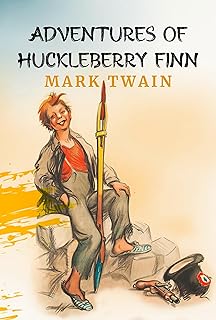
Mark Twain's The Adventures of Huckleberry Finn is more than a simple river adventure; it is a profound exploration of the American soul. Published in 1884, the novel uses the journey of a young boy and an escaped slave down the Mississippi River as a lens to examine the deepest contradictions of society: freedom versus slavery, individual conscience versus societal law, and genuine friendship versus superficial civility. For modern readers, understanding Huck's internal struggles offers timeless insights into ethics and human connection, making this Mark Twain classic a cornerstone of American literature.
Huck Finn: The Unlikely Moral Hero
At the heart of Twain's narrative is Huckleberry Finn himself, a boy raised on the fringes of 'sivilized' society. Unlike the morally upright heroes of traditional tales, Huck's morality is instinctual and forged through experience, not doctrine. His central conflict—whether to turn in his friend Jim, the escaped slave, or to help him secure freedom—forms the novel's ethical backbone. Society tells Huck he is committing a sin by aiding Jim. Yet, through their shared journey, Huck comes to see Jim not as property, but as a human being: a father, a friend, and a man deserving of liberty. Huck's ultimate decision, "All right, then, I'll go to hell," is one of the most powerful declarations of individual conscience in literary history. This internal battle perfectly encapsulates the novel's role as a complex morality tale, questioning where true virtue resides.
The River as a Pathway to Freedom
The mighty Mississippi River is not merely a setting in Huckleberry Finn; it is a central symbol and character. On land, Huck and Jim are constrained by the corrupt laws and hypocritical customs of the antebellum South. The shore represents a world of greed, violence, and entrenched injustice. In stark contrast, the raft on the river becomes a sanctuary—a fragile, moving space where a different set of rules applies. Here, Huck and Jim can forge their bond away from societal eyes. The river's current propels them toward physical freedom for Jim and existential freedom for Huck from his abusive father, Pap. This freedom narrative is physically mapped onto their journey, making the river the ultimate symbol of possibility and escape from a flawed world.
The Unbreakable Bond: Huck and Jim's Friendship
The evolving relationship between Huck and Jim is the emotional core of the novel, transforming it from an adventure story into a profound friendship story. Initially, Huck views Jim through the racist lens of his upbringing, playing cruel pranks on him. However, as they share dangers, hardships, and quiet moments under the stars, Huck's perception shifts. He witnesses Jim's deep sorrow for his family, his kindness, and his wisdom. Jim, in turn, becomes a protective father figure to Huck. This friendship, built on mutual dependence and respect across the brutal racial divide of their time, is Twain's most potent argument against slavery. It demonstrates that humanity and virtue transcend societal categories, a radical idea for the 19th century that remains powerful today.
Satire and Social Critique in Twain's Masterpiece
Mark Twain wielded satire as a sharp tool to dissect the failings of society, and Huckleberry Finn is his most masterful use of it. The novel is a brilliant satire fiction targeting everything from romanticism and feuds (the Grangerford-Shepherdson episode) to blind religious faith and the absurdities of aristocratic pretension (the Duke and the Dauphin). Through Huck's naive narration, Twain exposes the grotesque gap between what people profess to believe and how they actually behave. The most biting satire is reserved for the institution of slavery and the racial hypocrisy that justified it. By presenting these injustices through the eyes of an innocent child, Twain makes their absurdity and cruelty unmistakably clear, forcing the reader to confront uncomfortable truths about American history and human nature.
Why Huckleberry Finn Remains Essential Reading
Despite—or perhaps because of—its controversial history with censorship, The Adventures of Huckleberry Finn endures as an indispensable novel. It captures a specific moment in American history while grappling with universal themes: the search for identity, the definition of right and wrong, and the yearning for freedom. As a coming-of-age novel, it charts Huck's moral education, which occurs not in a schoolhouse but on the great river of America. For students of literature, history, or ethics, engaging with this text is crucial. To fully appreciate Twain's original language, narrative power, and unflinching critique, readers should seek out an unabridged edition like the definitive original classic, which preserves the author's full vision.
Navigating the Legacy and Modern Reception
The legacy of Huckleberry Finn is as turbulent as the Mississippi itself. Celebrated as a great American novel, it has also been persistently challenged and banned due to its coarse language and use of racial epithets. This tension is central to its ongoing relevance. Modern readers and educators are tasked with navigating this complexity—understanding the historical context of Twain's language while recognizing its painful impact. The novel does not endorse racism; rather, it holds a mirror up to a racist society. This uncomfortable reflection is a vital part of its educational value. Discussing the book's challenges openly allows for a deeper conversation about America's past, the evolution of language, and literature's role in confronting injustice, ensuring that Huck and Jim's journey continues to provoke thought and debate.
In conclusion, The Adventures of Huckleberry Finn is a multifaceted gem of world literature. It is a thrilling adventure, a poignant friendship story, a sharp societal satire, and a profound moral quest. Huck's voice, uniquely American and authentically human, guides us through a landscape of beauty and brutality, challenging us to think for ourselves. To experience the full depth of Mark Twain's genius—the humor, the horror, and the humanity—there is no substitute for the original, uncut narrative. It is a journey down the river that every seeker of truth and understanding deserves to take.