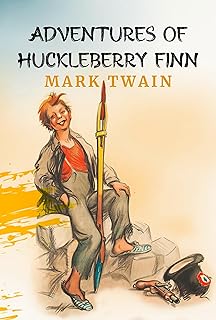
Mark Twain's iconic novel, The Adventures of Huckleberry Finn, has captivated readers for generations with its poignant exploration of freedom, friendship, and the American spirit. Its transition to the silver screen has been attempted numerous times, but one of the earliest and most significant adaptations is the 1931 film simply titled Huckleberry Finn. Directed by the prolific Norman Taurog, this piece of vintage cinema offers a fascinating window into early Hollywood's interpretation of a literary giant. For collectors and classic film enthusiasts, securing a copy of this 1931 film on modern Blu-ray is a way to preserve and appreciate a key moment in cinematic history.
The 1930s were a transformative era for Hollywood, marked by the transition from silent films to "talkies." Adapting a complex novel like Huckleberry Finn during this period presented unique challenges and opportunities. Director Norman Taurog, already an Oscar winner by 1931, brought his experience to the project, aiming to capture the adventure and heart of Twain's story for a new, sound-equipped audience. The film stands as a testament to the era's filmmaking techniques and narrative styles, making it an essential study for anyone interested in the evolution of the classic movie genre.
Norman Taurog's Vision: Bringing the River to Life
Norman Taurog's direction is central to the film's enduring appeal. Known for his work with child actors and his ability to handle both comedy and drama, Taurog was a fitting choice for a Mark Twain adaptation. His approach focused on the central relationship between Huck and the runaway slave, Jim, navigating the moral complexities of the source material within the constraints of early 1930s cinema. Taurog emphasized the journey down the Mississippi River, using it as a metaphor for escape and discovery. The film's pacing and visual composition reflect a director skilled in crafting engaging family film entertainment that still carried thematic weight.
The Cast: Jackie Coogan as Huckleberry Finn
The success of any Huckleberry Finn adaptation hinges on its lead, and the 1931 film featured Jackie Coogan in the titular role. Coogan, a major child star since the silent era following his breakthrough in Chaplin's The Kid, brought name recognition and proven talent. His portrayal of Huck balances the character's mischievous nature with a growing moral awareness. The casting of an established star like Coogan highlights the studio's confidence in the project and its desire to market the film as a major event. Analyzing his performance against other screen Hucks provides insight into changing interpretations of the character over the decades.
From Novel to Screen: Adapting Twain's Masterpiece
Adapting a novel as rich and, at the time, controversial as Huckleberry Finn required careful selection. The 1931 film necessarily condenses the plot, focusing on key episodes from the book to fit a standard runtime. Elements of satire and social criticism are softened, leaning more into the adventure and buddy-comedy aspects of Huck and Jim's journey. This reflects both the technical limitations of early sound film and the different audience expectations of the pre-Code era. Understanding these adaptation choices helps modern viewers appreciate the film not as a perfect replica of the novel, but as a distinct artistic product of its time, offering its own commentary on friendship and society.
The Significance of the 1931 Film in Cinematic History
The Huckleberry Finn 1931 film occupies a unique place in film history. It is one of the first major sound adaptations of Twain's work, setting a template for future versions. Released just a few years after the first feature-length talkie, it showcases evolving audio technology, from dialogue recording to the incorporation of music and sound effects. As a pre-Code Hollywood production, it operates under a different set of content guidelines than films made just a few years later, giving it a certain raw energy. For scholars and fans, it serves as a crucial benchmark for comparing all subsequent Huckleberry Finn adaptations.
Why the Blu-ray Release Matters for Preservation
For classic film aficionados, the medium matters. The release of this classic film on high-definition Blu-ray is not merely a convenience; it's an act of preservation. Blu-ray technology allows for the restoration of film elements, bringing clarity to the black-and-white cinematography and fidelity to the early sound recording that DVD or streaming often cannot match. Special features on such releases—like commentary tracks, historical documentaries, or restored trailers—provide invaluable context, turning a simple movie watch into an educational experience. Owning the Blu-ray ensures that this piece of cinematic heritage is enjoyed in the best possible quality, safeguarding it for future generations.
Huckleberry Finn 1931 as a Family Film
Marketed then and now as a family film, the 1931 adaptation provides an accessible entry point to Twain's story for younger audiences. While some of the dialects and pacing may feel dated, the core themes of loyalty, challenging unjust authority, and forging one's own path remain powerfully resonant. Watching it together can spark conversations about history, literature, and how stories are told across different media. Compared to more modern, effects-driven children's films, Huckleberry Finn 1931 offers a different kind of adventure—one driven by character, dialogue, and the timeless appeal of a journey on a raft.
Comparing Adaptations: From 1931 to Today
Viewing Norman Taurog's 1931 film is only the beginning of a deeper exploration. Comparing it to later adaptations—such as the 1939 version, the 1960 musical, or the 1993 Disney film—reveals how each era reinterprets Huckleberry Finn to reflect its own social concerns and cinematic tastes. The 1931 version stands out for its historical position, its pre-Code directness, and its performance by a legendary child star. It often serves as the foundational screen text against which all others are measured. Building a collection that includes this and other versions allows for a comprehensive study of Twain's enduring influence on popular culture.
Building a Classic Film Collection
For collectors, the hunt for rare and significant films is part of the joy. The Huckleberry Finn 1931 Blu-ray is a cornerstone title for several genres: literary adaptations, early sound films, and family classics. Pairing it with other works by director Norman Taurog or with films featuring Jackie Coogan creates a curated collection that tells a broader story about Hollywood's Golden Age. Furthermore, seeking out other Mark Twain adaptations from the same period can illuminate how studios approached American literature in the early decades of cinema. This film is not an isolated artifact but a key piece in a larger historical puzzle.
In conclusion, the 1931 film adaptation of Huckleberry Finn is far more than a historical curiosity. It is a thoughtfully crafted piece of cinema by a respected director, featuring a memorable performance by a major star of the era. As an early sound film and a pre-Code Hollywood production, it offers unique insights into the filmmaking practices and cultural norms of its time. Today, its availability on restored Blu-ray ensures that Norman Taurog's vision can be appreciated with the clarity it deserves. Whether you are a student of film history, a devoted fan of Mark Twain, or simply looking for a classic adventure to share with your family, this classic movie remains a rewarding and important watch, securing its rightful place on the shelf of any serious cinephile.