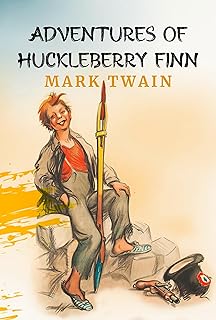
For over a century, Mark Twain's Huckleberry Finn has stood as a cornerstone of American literature, a novel celebrated for its adventurous spirit and its searing critique of antebellum society. Yet, the story has always been Huck's to tell. What if we heard the journey from the other side of the raft? This is the audacious premise of Percival Everett's groundbreaking novel, James, a work that doesn't just revisit a classic but fundamentally re-centers it, offering a powerful, necessary, and long-overdue perspective.
James, marketed as an Audible exclusive in its audio format, is more than a companion piece; it is a profound act of literary reclamation. By giving voice to the character known as Jim in Twain's original, Everett transforms a figure often viewed through the lens of Huck's narrative into a complex, intelligent, and fiercely human protagonist named James. This shift is not merely cosmetic. It challenges readers to reconsider everything they thought they knew about the journey down the Mississippi, turning a tale of boyhood freedom into a gripping narrative of survival, subterfuge, and the relentless pursuit of self-determination.
As a bestselling novel and critical darling, James has ignited conversations about who gets to tell stories in American literature. It asks us to look beyond the familiar adventure of Huck and his friend to the terrifying reality of a man navigating a world that sees him as property. This article will delve into how Everett's masterful work engages with Twain's legacy, the transformative power of changing perspective in historical fiction, and why this retelling is one of the most essential literary works of our time.
From Jim to James: Reclaiming Voice and Agency
In Twain's Huckleberry Finn, Jim is a moral compass and a protective figure for Huck, but his inner life, his fears, and his strategies for survival are largely filtered through Huck's observations and the period's dialect. Everett's James shatters that filter. We are thrust into James's mind—a mind that is scholarly, philosophical, and acutely strategic. He is a man who code-switches masterfully, using the expected 'slave dialect' with white people to appear non-threatening while harboring a rich, formal, and deeply intellectual interior monologue shared with his family and, crucially, with the reader.
This duality is the novel's brilliant core. James is performing a role to ensure his survival, a performance so convincing that even Huck, in his naivete, is mostly fooled. This recontextualizes every interaction in the original story. What seemed like simple dialogue in Twain's novel becomes, in James, a layered act of deception and protection. Everett doesn't portray James as resentful of Huck; instead, he shows a pragmatic, sometimes weary, affection mixed with the clear understanding that their fates are unequally perilous. James's primary goal is not adventure but freedom—freedom for himself and his family—and every decision on the raft is calculated toward that end.
Engaging with Twain's Legacy: Homage and Critique
Percival Everett is not erasing Mark Twain; he is in deep conversation with him. James demonstrates a profound respect for the source material while rigorously examining its limitations. The novel mirrors the structure and key events of Huckleberry Finn—the flight, the raft, the con artists, the wrecked steamboat—but each event is illuminated by James's consciousness.
For instance, the famous scene where Huck debates turning Jim in and decides, "All right, then, I'll go to hell," is a pivotal moment of Huck's moral awakening. In James, we experience the tense, silent anticipation from the other side. James is aware of Huck's internal struggle and the monumental risk it poses to him. The emotional weight shifts from Huck's personal sacrifice to James's vulnerable wait for a white boy's decision over his fate. This perspective doesn't diminish Huck's moment; it complexifies it, showing the stark power dynamics at play even in an act of friendship.
Everett also directly tackles the language of the original. James grapples with the pain of the racial epithets used so casually in Twain's text. He teaches his children about the power of words and the necessity of differentiating between the language forced upon them and the language of their own minds. This metafictional layer makes James not only a story within a story but also a commentary on how classic literature is read, taught, and censored.
The Power of the Audiobook Experience
As an Audible exclusive audiobook, James gains an additional dimension of power. Narrated by actor Dominic Hoffman, the audio performance brings James's dual voices to life with stunning clarity. Listeners can hear the palpable shift between the hesitant, simplified speech James uses in front of the Widow Douglass or the Duke and the King, and the eloquent, fluid, and often witty internal narration. This auditory code-switching is a masterclass in performance, making the central theme of the novel viscerally immediate.
The intimacy of the audiobook format draws the listener directly into James's psychological landscape. The fear, the calculation, the longing, and the fierce love for his family are conveyed with a nuance that deepens the emotional impact. For a novel so deeply concerned with voice—who has one, who is denied one, and how one is performed—the audio format is not just convenient; it is conceptually perfect. It allows the story to fulfill its mission in the most direct way possible: by letting James speak, and by making us listen.
James as Essential Historical Fiction
Beyond its relationship to Twain, James stands tall as a formidable work of historical fiction. Everett meticulously reconstructs the psychic terror of slavery, not through graphic spectacle, but through the constant, grinding anxiety of being hunted. James's intelligence is his greatest asset and his greatest burden, as it makes him fully aware of every potential threat.
The novel explores the networks of communication among the enslaved, the subtle acts of rebellion, and the complex relationships that existed within an inhuman system. It moves the narrative of American slavery beyond tropes of passive victimhood or exceptional heroism, presenting instead a portrait of sustained, intellectual resistance. James is a thinker, a reader (he secretly devours books from his enslaver's library, including works of philosophy), and a strategist. In doing so, Everett restores a sense of profound humanity and agency that was often stripped away in historical accounts (and in many previous fictional accounts) of the period.
Why James Demands to Be Read (and Heard)
The release of James: A Novel is a literary event because it does what all great retellings do: it makes the original story new again. It doesn't replace Huckleberry Finn; it enters into a necessary dialogue with it, expanding our understanding of both the fictional world and the real history it reflects. For educators, it offers an invaluable companion text that can transform how Twain's classic is taught. For general readers, it is a gripping, insightful, and emotionally resonant story that stands powerfully on its own.
In an era where conversations about representation, narrative authority, and the reevaluation of literary canons are vital, James arrives as a timely and timeless contribution. Percival Everett has not just written a novel about a character from another novel; he has written a profound meditation on freedom, identity, and the stories we tell ourselves about our past. Whether you choose the print edition or immerse yourself in the acclaimed audiobook experience, engaging with James is an essential journey for any serious reader of American literature. It challenges, enlightens, and ultimately honors the spirit of inquiry and humanity that Mark Twain himself championed, by finally giving a voice to the man who was, all along, the true heart of the journey down the river.