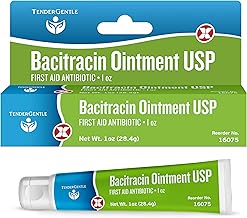
When it comes to safeguarding your family's health, a well-stocked first-aid kit is non-negotiable. Among the bandages, gauze, and antiseptic wipes, one item consistently proves its worth: Bacitracin ointment. This topical antibiotic is a frontline defense against infection in minor cuts, scrapes, and burns. But what exactly is it, how does it work, and are you using it correctly? This comprehensive guide dives deep into the world of Bacitracin, exploring its mechanisms, best uses, and how products like MED PRIDE Bacitracin with Zinc Ointment provide effective skin infection prevention and relief.
What is Bacitracin? Understanding This Topical Powerhouse
Bacitracin is not a synthetic chemical but a polypeptide antibiotic derived from the bacterium *Bacillus subtilis*. Discovered in 1945, it has stood the test of time as a reliable, over-the-counter medication for preventing bacterial infections in minor skin wounds. Unlike systemic antibiotics taken orally or via injection, topical topical antibiotic ointments like Bacitracin work locally at the site of application. They create a protective barrier that keeps the wound moist—a key factor in promoting faster healing—while simultaneously inhibiting the growth of susceptible bacteria.
How Does Bacitracin Ointment Work?
The primary action of Bacitracin is to interfere with bacterial cell wall synthesis. It specifically inhibits the dephosphorylation of a lipid carrier molecule that shuttles building blocks across the bacterial cell membrane. Without this crucial step, bacteria cannot construct their protective cell walls, leading to their death. This makes it particularly effective against gram-positive bacteria like *Staphylococcus* and *Streptococcus*, which are common culprits in skin infections. When combined with zinc, as in MED PRIDE's formulation, the ointment gains an extra benefit. Zinc is a known skin protectant and astringent that can help reduce irritation and support the skin's natural healing processes, making it an excellent choice for dermatitis relief and general minor wound care.
When to Use Bacitracin: A Guide to Proper Application
Knowing when and how to use antibiotic ointment is crucial for both effectiveness and safety. Bacitracin is designed for superficial, minor skin injuries.
Ideal Uses for Bacitracin Ointment
Minor Cuts and Scrapes: After cleaning the wound thoroughly with mild soap and water, applying a thin layer of ointment can prevent infection.
Minor Burns: For first-degree burns (redness) and small second-degree burns (blisters), Bacitracin can protect the damaged skin.
Skin Abrasions: Road rash or other friction injuries benefit from its protective, moist healing environment.
Preventing Infection in Stitches: Often recommended by doctors for keeping surgical incisions or suture sites clean.
Chapped Skin & Minor Irritations: The ointment base can provide a protective, moisturizing barrier for severely dry, cracked skin.
Step-by-Step Application for Optimal Results
1. Clean: Gently wash the affected area with soap and water and pat dry.
2. Apply: Use a clean cotton swab or finger to spread a thin layer of ointment (like MED PRIDE Bacitracin with Zinc) over the wound.
3. Cover: For cuts and scrapes, cover with a sterile bandage or gauze. Change the dressing daily or whenever it becomes wet or dirty.
4. Monitor: Watch for signs of healing. If redness, swelling, pain, or pus increases, discontinue use and consult a healthcare professional.
Bacitracin vs. Other Topical Antibiotics: Neosporin and Polysporin
Many consumers wonder how Bacitracin stacks up against other pharmacy staples. Neosporin, for example, is a triple-antibiotic ointment containing Bacitracin, Neomycin, and Polymyxin B. While broader in spectrum, Neomycin carries a higher risk of allergic contact dermatitis. Polysporin contains only Bacitracin and Polymyxin B, omitting the more allergenic Neomycin. A single-ingredient Bacitracin ointment is often recommended for individuals with sensitive skin or those who want to minimize the risk of allergic reactions. It provides targeted action against the most common skin pathogens without unnecessary additional antibiotics.
Safety First: Important Precautions and Potential Side Effects
While generally safe for most people, it's vital to use Bacitracin responsibly.
What to Avoid
Deep or Severe Wounds: Do not use on deep puncture wounds, animal bites, or serious burns. Seek medical attention.
Large Areas of Skin: Avoid applying over extensive body surfaces.
Existing Infections: It is a preventative, not a cure for an established, spreading infection.
Allergic Reactions: Discontinue use immediately if you experience increased redness, itching, swelling, or rash. Single-ingredient Bacitracin has a lower allergy profile, but reactions can still occur.
The Risk of Antibiotic Resistance
Overuse or misuse of any antibiotic, even topical ones, can contribute to antibiotic resistance. This is why it's critical to use first-aid ointment only when necessary—for fresh, minor wounds—and not as a daily moisturizer or for conditions it isn't designed to treat.
Why Choose MED PRIDE Bacitracin with Zinc Ointment?
With several options on the shelf, selecting the right product matters. MED PRIDE Bacitracin with Zinc Ointment offers a specific formulation that enhances the classic antibiotic's benefits. The addition of zinc oxide provides mild astringent and protective properties, which can be particularly soothing for minor skin irritations and can help create a more effective barrier. This 1 oz tube is a convenient, portable size perfect for home first-aid kits, travel bags, or the workplace. By choosing a trusted brand, you ensure the product's purity, potency, and consistency for reliable infection prevention every time you need it.
Building Your Ultimate First-Aid Kit
A tube of Bacitracin is just one component. Pair it with these essentials for comprehensive preparedness:
- Sterile gauze pads and adhesive bandages of various sizes
- Hypoallergenic medical tape
- Antiseptic wipes or solution (e.g., alcohol pads)
- Blister pads or moleskin
- Tweezers and small scissors
- Disposable gloves
- A digital thermometer
- An instruction booklet for basic first-aid procedures
Conclusion: An Essential Tool for Skin Health
Bacitracin ointment remains a cornerstone of minor wound management for good reason. Its targeted action, favorable safety profile for most users, and ability to promote moist wound healing make it indispensable. By understanding its proper uses—from treating a child's scraped knee to preventing infection in a small kitchen burn—you can use this topical antibiotic effectively and safely. For those seeking the combined benefits of antibiotic protection and skin-soothing zinc, a product like MED PRIDE Bacitracin with Zinc Ointment provides a robust solution. Remember, while it's powerful for prevention, always consult a doctor for wounds that are deep, show signs of infection, or do not begin to heal within a few days.