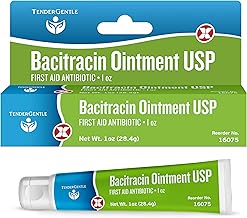
When a minor cut, scrape, or burn disrupts your day, reaching for a reliable first aid ointment is second nature. Among the most trusted names in medicine cabinets worldwide is the triple antibiotic ointment, a powerhouse formula designed to prevent infection and support healing. At the heart of many of these formulas, including the well-known Neosporin Original, lies a key ingredient: Bacitracin Zinc. This guide delves deep into the role of Bacitracin Zinc within these essential first-aid products, explaining how it works, when to use it, and how it teams up with other antibiotics to protect your skin.
What is Bacitracin Zinc and How Does It Work?
Bacitracin is a polypeptide antibiotic derived from the bacterium *Bacillus subtilis*. In its medicinal form, it's combined with zinc to create Bacitracin Zinc, which stabilizes the compound and enhances its effectiveness. Unlike broad-spectrum oral antibiotics, Bacitracin is primarily used topically—meaning it's applied directly to the skin. Its mechanism of action is highly targeted: it interferes with the formation of bacterial cell walls. Specifically, it inhibits the synthesis of the peptidoglycan layer, a crucial structural component for many bacteria. Without this strong outer wall, bacteria become vulnerable and are unable to multiply or survive, effectively stopping an infection before it can take hold.
The Triple Antibiotic Powerhouse: More Than Just Bacitracin
While Bacitracin Zinc is effective on its own, its power is significantly amplified when combined with other antibiotics, creating what's known as a triple antibiotic ointment. Products like Neosporin Original First Aid Triple Antibiotic Ointment utilize a strategic blend. This formula typically combines Bacitracin Zinc with Neomycin Sulfate and Polymyxin B Sulfate. Each antibiotic has a slightly different spectrum of activity. Neomycin tackles a range of gram-negative and some gram-positive bacteria, while Polymyxin B is particularly effective against gram-negative bacteria. Bacitracin primarily targets gram-positive bacteria. Together, they create a broad-spectrum barrier against the most common pathogens that can infect minor wounds, offering more comprehensive infection protection than any single ingredient could alone.
Proper Use for Cuts, Scrapes, and Burns
Using a triple antibiotic ointment correctly is key to its effectiveness. First, always clean the wound gently with mild soap and cool water, patting it dry with a clean cloth. Then, apply a thin layer of the ointment, such as Neosporin, directly to the affected area. A common mistake is applying too much; a thin layer is sufficient to create a protective barrier and keep the wound moist. Cover the area with a sterile bandage or gauze, especially if it's in a location prone to dirt or friction. Reapply the ointment and change the bandage one to three times daily, or whenever the bandage becomes wet or dirty. This routine is crucial for effective minor cuts treatment, scrapes, and minor burns.
Why Moisture Matters in Wound Healing
Ointments create a moist wound environment, which decades of clinical research have shown to be superior to letting a wound dry out and scab. A moist environment helps skin cells migrate across the wound bed more efficiently, speeding up the healing process. It also helps prevent the bandage from sticking to the newly formed tissue, which can cause re-injury and pain during dressing changes. The petroleum base in many antibiotic ointments provides this ideal moist interface, while the active ingredients work to prevent bacterial contamination.
Infection Prevention and Scar Minimization
The primary goal of any first aid ointment is to prevent infection. An infected wound becomes red, swollen, warm, painful, and may produce pus—delaying healing and potentially leading to more serious complications. By creating an antibacterial barrier, triple antibiotic ointments drastically reduce this risk. Furthermore, by preventing infection and promoting faster, uninterrupted healing, these ointments can also play a role in scar appearance minimization. Wounds that heal quickly and cleanly are less likely to form raised, discolored, or widespread scar tissue. Keeping the wound moist and protected minimizes the inflammatory response that often leads to noticeable scarring.
Safety, Side Effects, and When to Avoid Use
While generally safe for minor wounds, it's important to be aware of potential side effects. The most common issue is contact dermatitis, an itchy, red rash that can occur due to sensitivity or allergy to one of the ingredients, most notably Neomycin. If you notice increased redness, itching, swelling, or a rash around the wound after application, discontinue use immediately. Never use triple antibiotic ointments on deep wounds, puncture wounds, animal bites, or serious burns. These require immediate medical attention. Also, avoid using it in the eyes, inside the nose or mouth, or over large areas of the body without consulting a doctor. For individuals with known allergies to any component, using a single-ingredient Bacitracin Zinc ointment or petroleum jelly may be a safer alternative for wound care.
Bacitracin Zinc vs. Other First Aid Options
How does a Bacitracin-based triple antibiotic stack up against other common first-aid products? Plain petroleum jelly (like Vaseline) is excellent for maintaining a moist wound environment but offers no antibacterial protection. Antiseptics like hydrogen peroxide or rubbing alcohol can kill bacteria but are also cytotoxic—meaning they can damage the new, delicate skin cells trying to heal the wound, potentially slowing down the process. Iodine-based solutions are effective antiseptics but can stain skin and fabric. For simple, low-risk wounds, a triple antibiotic ointment often provides the best balance: it protects against infection while actively creating conditions favorable for faster healing, making it a cornerstone of effective wound care.
Building a Comprehensive First Aid Kit
A well-stocked first aid kit is essential for every home, car, and workplace. A tube of a reliable triple antibiotic ointment like Neosporin Original should be a non-negotiable item on your list. Pair it with other essentials: various sizes of sterile gauze pads and adhesive bandages, adhesive tape, antiseptic wipes, blunt-tip scissors, tweezers, disposable gloves, and a digital thermometer. Having these items organized and readily available ensures you can respond quickly and effectively to minor injuries, providing immediate infection protection and care.
The Takeaway: An Essential Tool for Healing
Bacitracin Zinc, particularly when formulated as part of a triple antibiotic ointment, remains a trusted, effective, and accessible tool for managing minor skin injuries. Its ability to prevent infection, promote a moist healing environment, and potentially minimize scarring makes it invaluable for everyday wound care. By understanding how it works and following proper application guidelines, you can confidently use this first-aid staple to help your skin recover quickly and safely from life's minor mishaps. Always remember, however, that for anything beyond a superficial wound, consulting a healthcare professional is the most important step.