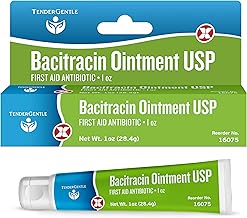
When a minor cut, scrape, or burn interrupts your day, having the right first aid supplies on hand is crucial for quick and effective care. Among the trusted staples in medicine cabinets and first aid kits worldwide is Bacitracin, a topical antibiotic ointment specifically formulated to prevent infection in minor skin injuries. This guide delves into everything you need to know about this essential first aid ointment, from its mechanism of action to proper application techniques, ensuring you're prepared to handle everyday mishaps with confidence.
What is Bacitracin and How Does It Work?
Bacitracin is a polypeptide antibiotic derived from the bacterium *Bacillus subtilis*. Unlike broad-spectrum oral antibiotics, it is designed for topical use only, meaning it is applied directly to the skin's surface. Its primary function is bacteriostatic; it works by interfering with the cell wall synthesis of susceptible bacteria, effectively halting their growth and multiplication. This action helps create a protective barrier over a minor cut or scrape, preventing bacterial colonization and giving your body's natural healing processes a clean slate to work from. It's important to note that Bacitracin is most effective against gram-positive bacteria, such as Staphylococcus and Streptococcus species, which are common culprits in skin infections.
When to Use Bacitracin Antibiotic Ointment
Knowing when to reach for your antibiotic ointment is key to proper wound care. Bacitracin is specifically indicated for minor, superficial wounds. Ideal use cases include small cuts from paper or kitchen knives, abrasions from falls (scrapes), and minor first-degree burns. It can also be used on suture lines after minor surgical procedures, as directed by a healthcare provider. For optimal results, the ointment should be applied after the wound has been thoroughly cleaned with mild soap and water and gently patted dry. A thin layer is all that's needed to cover the affected area. A product like Bacitracin First aid Antibiotic Ointment, USP is perfectly packaged for such household and on-the-go needs. Remember, it is for external use only and should not be used on deep wounds, animal bites, or serious burns, which require immediate medical attention.
The Importance of USP-Grade Quality in First Aid
The "USP" designation on a USP ointment like this one stands for United States Pharmacopeia, an independent, scientific nonprofit organization that sets public standards for the quality of medicines and healthcare products. When you see USP on your Bacitracin ointment, it means the product has been formulated to meet stringent quality, purity, strength, and consistency standards. This ensures you are getting a reliable and effective product every time you use it. In wound care, consistency is critical; an ointment that meets USP standards provides the correct concentration of antibiotic to fight infection without unnecessary additives that could irritate sensitive skin or impede healing.
Step-by-Step Guide to Applying Bacitracin
Proper application maximizes the benefits of any topical antibiotic. Follow these steps for effective use:
- Clean the Wound: Rinse the minor cut, scrape, or burn gently under cool running water. Use a mild soap to wash away dirt and debris. Avoid harsh antiseptics like hydrogen peroxide or rubbing alcohol on simple wounds, as they can damage healthy tissue.
- Pat Dry: Gently blot the area dry with a clean, lint-free cloth or sterile gauze.
- Apply a Thin Layer: Using a clean cotton swab or fingertip, apply a small amount of Bacitracin ointment directly to the wound. Cover it completely with a thin, even layer. More is not better; a thick layer can trap moisture and slow healing.
- Cover if Necessary: For wounds in areas prone to dirt or friction (like knees or hands), cover with a sterile bandage or gauze pad. Change the bandage and reapply the ointment daily, or whenever it becomes wet or dirty.
- Monitor for Healing: Most minor wounds show improvement within a few days. Continue application 1 to 3 times daily until the wound has healed over.
Safety, Side Effects, and When to See a Doctor
While Bacitracin is generally safe for most people, it's important to be aware of potential side effects and contraindications. The most common side effect is local skin irritation, which may present as redness, itching, or a rash. In rare cases, individuals may experience an allergic contact dermatitis. If you notice increased redness, swelling, pain, pus, or if the wound does not start to heal within a few days, discontinue use and consult a healthcare professional, as these could be signs of an infection or an allergic reaction. Importantly, you should not use this antibiotic ointment if you are allergic to Bacitracin itself or any of its inactive ingredients. Always keep it out of reach of children and avoid contact with eyes, nose, mouth, or deep wounds.
Building a Comprehensive First Aid Kit
A well-stocked first aid kit is a cornerstone of household preparedness. A reliable antibiotic ointment is a non-negotiable item. Alongside your Bacitracin First aid Ointment, your kit should include sterile gauze pads and rolls, adhesive bandages in various sizes, adhesive tape, antiseptic wipes, tweezers, scissors, disposable gloves, a digital thermometer, and pain relievers. Store your kit in a cool, dry place and check expiration dates regularly, replacing used or outdated items like your USP ointment to ensure maximum efficacy when you need it most.
Why Choose Bacitracin Over Other Topical Antibiotics?
The first aid aisle often presents a choice between antibiotic ointments like Bacitracin, Neosporin (which contains Bacitracin along with other antibiotics), and Polysporin. A single-antibiotic formula like Bacitracin has distinct advantages. It minimizes the risk of developing contact allergies because you are exposed to only one antibiotic agent. Neosporin, which contains neomycin, has a higher incidence of causing allergic skin reactions. For individuals with sensitive skin or those who have reacted to other topical antibiotics in the past, a plain Bacitracin ointment is often the recommended and safer choice for preventing infection in scrapes and minor wounds.
In conclusion, Bacitracin remains a time-tested, effective, and trusted option for preventing infection in minor skin injuries. By understanding its proper use, benefits, and limitations—and by choosing a quality product like Bacitracin First aid Antibiotic Ointment, USP—you equip yourself with a powerful tool for everyday health and safety. Remember, good wound care starts with cleaning and is supported by the appropriate use of simple, reliable treatments. Keep your first aid kit stocked and your knowledge fresh to handle life's little accidents with ease.