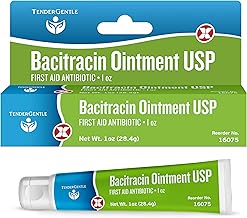
When a minor cut, scrape, or burn interrupts your day, reaching for a reliable first aid solution is crucial. Among the most trusted names in over-the-counter wound care is Bacitracin, a topical antibiotic ointment that has been a household staple for decades. This comprehensive guide delves into the science, application, and benefits of Bacitracin-based products, helping you understand why they remain an indispensable part of any well-stocked medicine cabinet.
What is Bacitracin and How Does It Work?
Bacitracin is a polypeptide antibiotic derived from the bacterium *Bacillus subtilis*. It was first discovered in 1945 and has since become a cornerstone of topical infection prevention. Unlike systemic antibiotics, Bacitracin works locally at the site of application. Its primary mechanism of action is to interfere with the cell wall synthesis of bacteria, effectively stopping their growth and multiplication. This makes it exceptionally effective against a range of gram-positive bacteria commonly responsible for skin infections, such as *Staphylococcus* and *Streptococcus* species.
The beauty of a bacitracin ointment lies in its formulation. It's typically combined with a petroleum jelly base, which serves a dual purpose: it acts as a delivery vehicle for the antibiotic and creates a protective, moist barrier over the wound. This moist environment is now widely recognized by medical professionals as superior to letting a wound dry out and scab, as it significantly accelerates the body's natural healing process, reduces scarring, and minimizes discomfort.
Beyond Basic Bacitracin: The Power of Enhanced Formulations
While traditional Bacitracin ointment is effective, modern formulations have evolved to offer enhanced healing benefits. A prime example is the Bacitraycin Plus First Aid Antibiotic Ointment. This advanced product builds upon the proven infection-fighting power of Bacitracin by incorporating two key additional ingredients: Bacitracin Zinc and Moisturizing Aloe Vera.
Bacitracin Zinc: A More Stable and Potent Form
The inclusion of Bacitracin Zinc is a significant upgrade. Zinc is a co-factor in the antibiotic complex that enhances its stability and efficacy. More importantly, zinc itself is a vital mineral for skin health and wound repair. It plays a critical role in collagen synthesis, immune function, and cell membrane integrity. By delivering zinc directly to the wound site, these formulations don't just prevent infection; they actively nourish the skin and support the foundational biochemical processes required for faster, stronger healing.
Aloe Vera: Nature's Soothing and Hydrating Agent
The addition of moisturizing Aloe Vera transforms the ointment from a simple antibiotic into a holistic wound healing ointment. Aloe Vera is renowned for its anti-inflammatory, cooling, and hydrating properties. For burns, in particular, this provides immediate soothing relief from pain and heat. For cuts and scrapes, it helps counteract the drying effect some antiseptics can have, maintaining optimal moisture balance in the wound bed. This combination of antibiotic protection, mineral support, and botanical soothing creates a synergistic effect ideal for comprehensive burns treatment and the care of minor cuts and scrapes.
Step-by-Step: How to Properly Use Bacitracin Ointment
Correct application is key to maximizing benefits and ensuring safety. Follow these steps for optimal wound care:
- Clean the Wound: Gently rinse the affected area with cool, clean water and mild soap to remove debris. Pat dry with a clean cloth or gauze.
- Apply a Thin Layer: Squeeze a small amount of ointment onto a clean cotton swab or fingertip. Apply a thin, even layer directly over the entire wound. A little goes a long way; a thick layer does not increase efficacy and may slow oxygen exchange.
- Cover if Necessary: For wounds on areas prone to dirt or friction (like knees or hands), cover with a sterile bandage or gauze pad. This protects the wound and keeps the ointment in place.
- Reapply Regularly: Reapply the ointment and change the bandage 1 to 3 times daily, or whenever the bandage becomes wet or dirty.
- Monitor for Healing: Most minor wounds show improvement within a few days. Discontinue use once a healthy layer of new skin has formed and the wound is closed.
When to Use (and When to Avoid) Bacitracin
Bacitracin ointment is specifically designed for minor, superficial wounds. Its ideal use cases include:
- Small cuts and lacerations
- Abrasions and scrapes (like "road rash")
- Minor first-degree burns and small second-degree burns
- Preventing infection in minor surgical wounds (as directed by a doctor)
- Protecting healing skin after stitches are removed
Important Contraindications: Do not use Bacitracin on deep puncture wounds, severe burns, animal bites, or serious injuries that require medical attention. Avoid use if you have a known allergy to Bacitracin or any component of the ointment. Discontinue use and consult a doctor if you experience increased redness, swelling, pain, pus, or if the condition worsens or does not improve within a week, as this may indicate an infection requiring different treatment or an allergic contact dermatitis.
Why a Dual-Pack is a Smart Choice for Your First Aid Kit
Keeping a product like the Bacitraycin Plus in a convenient 2-pack format is the hallmark of preparedness. A first aid kit essential should be reliable, effective, and readily available. Having one tube in your home medicine cabinet and another in your travel bag, car glove compartment, or workplace kit ensures you're never caught unprepared. The 1-ounce size is perfect for targeted application and has a long shelf life, making it a cost-effective and practical solution for household and on-the-go needs.
Bacitracin vs. Other Topical Antibiotics: Understanding Your Options
Consumers often see Neosporin (which contains Bacitracin along with Neomycin and Polymyxin B) and Polysporin (Bacitracin and Polymyxin B) as alternatives. A single-antibiotic formula containing only Bacitracin or Bacitracin Zinc, however, has distinct advantages. It minimizes the risk of allergic reaction, as Neomycin is a more common allergen. For the vast majority of minor, clean wounds, a broad-spectrum combination isn't necessary, and a targeted formula like Bacitracin is both sufficient and potentially gentler on the skin.
Building a Complete First Aid Strategy
While a quality first aid antibiotic ointment is critical, it's only one component of effective wound management. A complete strategy includes:
- Cleansing: Sterile saline solution or wound wash for irrigation.
- Protection: Various sizes of sterile bandages, gauze pads, and medical tape.
- Tools: Tweezers (for debris removal), scissors, and disposable gloves.
- Pain & Inflammation: Pain relievers like acetaminophen or ibuprofen.
- Knowledge: Understanding when home care is adequate and when to seek professional medical help.
By integrating a trusted product like Bacitraycin Plus into this broader system, you empower yourself to handle life's minor mishaps with confidence and care, promoting faster recovery and preventing small issues from becoming bigger problems.