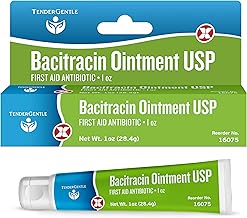
When a minor cut, scrape, or burn interrupts your day, reaching for a reliable first-aid ointment is a crucial step in preventing infection and promoting healing. Among the trusted options in medicine cabinets and first-aid kits is Bacitracin antibiotic ointment. This topical antibiotic, often combined with zinc, has been a staple for decades. But how does it actually work, and when is it the right choice? This guide delves into the science, proper use, and important considerations for this common yet powerful topical antibiotic.
What is Bacitracin and How Does It Fight Infection?
Bacitracin is a polypeptide antibiotic derived from the bacterium *Bacillus subtilis*. Unlike broad-spectrum oral antibiotics, it is used almost exclusively as a topical application—meaning it's applied directly to the skin. Its primary mechanism of action is to interfere with the formation of bacterial cell walls. Specifically, it inhibits the synthesis of the peptidoglycan layer, a critical structural component for many bacteria. Without this layer, bacteria cannot properly divide and multiply, effectively halting an infection before it can take hold.
The addition of zinc to many formulations, such as in Bacitracin Antibiotic Ointment with Zinc USP, serves a dual purpose. Zinc oxide acts as a mild astringent and skin protectant. It helps to keep the wound area dry, creates a protective barrier against external contaminants, and may also support the skin's natural healing processes. This combination makes it particularly effective as a first-aid ointment for managing minor skin injuries.
When to Use Bacitracin Ointment: Appropriate Applications
Understanding the appropriate scope of use for any medication is key to its effectiveness and your safety. Bacitracin ointment is designed for superficial, minor skin wounds. Here are the primary scenarios where it is commonly recommended:
- Minor Cuts and Scrapes: After cleaning the wound with mild soap and water, a thin layer of ointment can protect against common skin bacteria like *Staphylococcus* and *Streptococcus*.
- Small Burns: For first-degree burns (redness only) and minor second-degree burns (blisters), it can help prevent infection in the damaged skin.
- Abrasions and Punctures: Superficial wounds from falls or minor accidents can benefit from its protective and antibacterial barrier.
- Preventing Infection in Sutured Wounds: Sometimes used on minor surgical incisions or stitches, but only under a doctor's direction.
It is vital to remember that this ointment is for external use only and is not suitable for deep wounds, animal bites, serious burns, or infected wounds that already show signs of pus, increased redness, swelling, or fever.
Step-by-Step Guide: How to Apply Bacitracin Correctly
Proper application maximizes benefits and minimizes risks. Follow these steps for effective use of your antibiotic ointment:
- Clean Thoroughly: Wash your hands and the injured area gently with mild soap and cool, running water. Pat dry with a clean cloth.
- Apply a Thin Layer: Squeeze a small amount of the ointment onto a clean cotton swab or fingertip. Apply a *thin*, even layer over the entire affected area. More is not better; a thick layer can trap moisture and slow healing.
- Cover if Necessary: For cuts or scrapes in areas that might get dirty or rubbed by clothing, cover with a sterile bandage or gauze pad. Change the bandage daily or whenever it becomes wet or dirty.
- Reapply Regularly: Typically, reapplication 1 to 3 times per day is recommended, or as directed on the product label or by your healthcare provider.
- Monitor for Healing: Minor wounds should show signs of improvement within a few days. Discontinue use once a scab has formed and the skin is healing well.
Safety, Side Effects, and Important Precautions
While Bacitracin is generally safe for most people, it's not without potential side effects. The most common issue is allergic contact dermatitis—an itchy, red rash at the application site. This reaction to topical antibiotics like bacitracin ointment is more common than many realize.
Key precautions include:
- Allergy Alert: Discontinue use immediately if you notice increased redness, itching, swelling, or rash.
- Avoid Eyes and Mucous Membranes: Do not apply inside the nose, mouth, eyes, or on deep or puncture wounds.
- Consult a Doctor for Serious Wounds: Seek medical attention for large wounds, burns covering a significant area, signs of infection (pus, red streaks, fever), or wounds from dirty or rusty objects.
- Limited Use Duration: Do not use for longer than one week unless directed by a doctor, as prolonged use can increase the risk of side effects or antibiotic resistance.
Bacitracin in Your First Aid Kit: Why It's a Staple
A well-stocked first-aid kit is essential for home, travel, and outdoor activities. A 1 oz tube of a product like Bacitracin Antibiotic Ointment with Zinc deserves a place in yours. Its stability at room temperature, ease of application, and targeted action against common wound bacteria make it a practical choice for immediate infection prevention. Compared to some triple-antibiotic ointments, bacitracin alone (or with zinc) has a lower likelihood of causing contact allergies related to neomycin, another common topical antibiotic ingredient.
For managing minor kitchen cuts, gardening scrapes, or children's playground injuries, having a reliable minor cuts treatment on hand provides peace of mind. It's a simple yet effective tool in the broader context of wound care, which always starts with thorough cleaning.
Beyond Cuts: Other Considerations and Professional Advice
While our focus has been on acute minor wounds, some may wonder about other uses. It is sometimes recommended for minor burn care. However, for burns, cooling the area with cool (not cold) running water for several minutes is the critical first step before considering any ointment. The protective barrier of a zinc ointment can then help shield the sensitive skin.
Ultimately, Bacitracin is a valuable tool in minor wound management. Its effectiveness hinges on using it correctly for the right type of injury. By understanding its role—as a protective, infection-fighting barrier for superficial skin damage—you can use it confidently as part of a sensible first-aid routine. For any uncertainty regarding a wound's severity or the appropriate treatment, consulting a healthcare professional is always the best course of action.


