
Madeline Miller has redefined Greek mythology retelling for a modern audience. Her two acclaimed novels, Circe and The Song of Achilles, have captivated millions, transforming ancient tales into intimate, profound explorations of love, power, and identity. While each book stands as a masterpiece of literary fiction, they exist in a beautifully interconnected mythological universe. This guide delves into the world Miller has created, examining the themes, characters, and enduring appeal that have cemented these books as modern classics.
Madeline Miller's Mythological Universe: From Circe to Achilles
Before becoming a bestseller, Madeline Miller spent over a decade immersed in classical studies, translating and teaching Latin, Greek, and Shakespeare. This deep scholarly foundation is the bedrock of her fiction. She doesn't merely retell myths; she reanimates them from the inside out, granting voice and visceral humanity to figures long confined to the periphery of heroic epics. Her work asks: what did these stories feel like for those who lived them?
The Lonely Witch: A Deep Dive into Circe
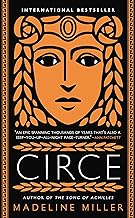
In Circe, Miller takes the infamous sorceress from Homer's Odyssey—often remembered for turning men into swine—and crafts an epic, centuries-spanning story of her own. The novel is a powerful narrative of exile, self-discovery, and resilience. Banished to a remote island, Circe hones her witchcraft, not as a malicious act, but as a means of survival and self-definition in a world ruled by capricious gods. Miller's Circe is complex: vulnerable yet formidable, lonely yet fiercely independent. The novel masterfully explores themes of female agency, the price of power, and the search for belonging, making it a landmark in historical fiction with a potent feminist lens.
The Epic Love Story: The Heart of The Song of Achilles
If Circe is a story of finding strength in isolation, The Song of Achilles is a story of finding meaning in connection. Told from the perspective of Patroclus, the novel re-centers the Trojan War epic around the profound love between Achilles and Patroclus. Miller strips away the glorified armor of the legendary hero to reveal the vulnerable, passionate, and often flawed man beneath. Through Patroclus's eyes, we experience the intensity of their bond, the brutal pressures of destiny and fame, and the tragic cost of war. The novel's emotional power lies in its intimate portrayal of a relationship that shapes history, winning the prestigious Orange Prize for Fiction and breaking readers' hearts for over a decade.
Connecting the Threads: Themes Across Miller's Novels
Reading Circe and The Song of Achilles together reveals Miller's consistent artistic preoccupations. Both novels are narrated by outsiders: Circe, the least powerful of the Titan gods, and Patroclus, an exiled prince deemed unremarkable. This perspective allows Miller to critique the traditional hierarchies and brutal glory of the ancient world. Central to both books is the theme of transformation—not just the magical kind, but the emotional and psychological metamorphosis her characters undergo. Furthermore, Miller excels at humanizing divinity, presenting gods and heroes not as remote symbols, but as beings grappling with love, jealousy, pride, and pain, making their stories universally resonant.
Why Start with The Song of Achilles?
For readers new to Madeline Miller's work, The Song of Achilles often serves as the perfect introduction. Its narrative is more linearly focused on the well-known arc of the Trojan War, providing a familiar anchor. The love story at its core is immediate and deeply engaging, offering an emotional gateway into Miller's lyrical style. Finishing this novel often creates a compelling desire to explore more of the mythological world she has built, naturally leading readers to the wider, more magically complex universe of Circe.
Why Start with Circe?
Alternatively, starting with Circe offers a different journey. This novel provides a broader view of the Greek pantheon, featuring cameos from iconic figures like Hermes, Athena, and the Minotaur. Its scope is vast, following the protagonist's life over millennia, which can be thrilling for readers who enjoy expansive world-building. Circe's journey of empowerment and self-sufficiency resonates strongly, making it a standout. Fans of this book will then appreciate the deeper, tragic layers added to the world when they encounter the story of Achilles and Patroclus, whose fates are subtly intertwined with the wider cosmos Circe inhabits.
Literary Impact and Reader Reception
The success of both novels is a testament to Miller's skill. They have dominated bestseller lists, won major literary awards, and spawned vibrant online communities of fans. Their impact lies in making ancient material feel urgently contemporary. Book clubs dissect their themes, readers passionately debate character motivations, and many find their perspectives on classic tales permanently altered. Miller has achieved the rare feat of creating scholarly, meticulously researched work that also achieves massive popular appeal, ensuring that the stories of The Song of Achilles and Circe will be cherished for generations.
Choosing Your Path into Greek Mythology
Whether you begin with the tragic, romantic intensity of The Song of Achilles or the sweeping, transformative saga of Circe, you are entering a richly imagined world. There is no wrong entry point. Each novel complements the other, enriching the reader's understanding of Miller's unified vision. For those seeking a powerful, focused love story against the backdrop of war, Achilles's tale is unparalleled. For those drawn to a story of magical craft, solitary resilience, and a heroine carving her own path, Circe's island awaits. Ultimately, Madeline Miller's great gift is reminding us that these ancient myths are not dusty relics, but vibrant, human stories waiting to be felt anew.
![Circe [AdN] (Spanish Edition)](https://m.media-amazon.com/images/I/813lle2hSML._AC_UY218_.jpg)


