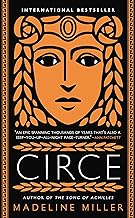
In the vast pantheon of Greek mythology, few figures have been as misunderstood or as compellingly reimagined as the enchantress Circe. Madeline Miller's novel, simply titled Circe, is not just another retelling; it is a profound act of literary reclamation. This New York Times bestseller has taken the world of Greek mythology by storm, offering a fresh, deeply human, and fiercely feminist perspective on a character often relegated to the margins of heroic tales. By centering the narrative on the goddess herself, Miller transforms a figure of fear and sorcery into a symbol of resilience, autonomy, and self-discovery.
The story of Circe in classical myth is brief but potent. She is the daughter of the sun god Helios and the nymph Perse, a minor goddess with a powerful voice who is banished to the island of Aiaia for turning a mortal rival into the monster Scylla and for wielding pharmaka—herbal magic. Her island becomes a pivotal stop in Odysseus's decade-long journey home in Homer's Odyssey, where she transforms his men into swine. Odysseus, protected by the herb moly given by Hermes, becomes her lover for a year. This is the skeletal plot that Miller inherits, but she fleshes it out with breathtaking emotional and psychological depth, exploring the millennia of life, loneliness, love, and learning that precede and follow that famous encounter.
From Marginalized Goddess to Protagonist: The Core of Miller's Retelling
Miller's genius lies in her first-person narrative, allowing readers to experience the world through Circe's eyes. We witness her childhood in the glittering, cold halls of her father's palace, where she is scorned for her "mortal" voice and lack of divine radiance. This early alienation is the crucible that forges her character. Her discovery of witchcraft—pharmaka—is not an act of malice but one of empowerment, a craft she pursues with relentless dedication. This pursuit of knowledge and skill is a central feminist theme, positioning her power not as innate divinity but as earned expertise. Her exile to Aiaia, rather than a punishment, becomes her liberation, a space where she can finally be herself, free from the toxic hierarchies of the gods.
Weaving the Tapestry of Myth: Cameos and Reinterpretations
One of the great pleasures of this fantasy novel is how Miller seamlessly integrates other mythological figures into Circe's long life. The narrative becomes a tapestry of familiar stories seen from a new angle. We meet the cunning Prometheus before his punishment, the tragic nymph Scylla before her transformation, the brilliant craftsman Daedalus, and the formidable Minotaur. The arrival of Odysseus is a significant episode, but Miller skillfully reframes it. Here, Odysseus is a complex, weary man of many turns, and their relationship is one of mutual, if wary, respect and temporary solace, not mere seduction and conquest. The story continues beyond him, delving into Circe's relationship with her son, Telegonus, and her ultimate, hard-won confrontation with the Olympian gods, leading to a choice that defines her destiny on her own terms.
Why "Circe" Resonates: Themes of Autonomy and Transformation
The novel's status as a bestseller is no accident. It taps into universal themes with a distinctly modern sensibility. At its heart, Circe is a story about transformation—not just the magical kind she inflicts on others, but the profound personal change she undergoes. It's about the struggle for autonomy in a world determined to define you. It's about the loneliness of difference and the strength found in solitude. It redefines power, showing it as patience, knowledge, compassion, and the courage to defy fate. This feminist retelling resonates because it gives voice to the silenced, complexity to the caricature, and agency to a character who was once merely a plot device in a man's story.
The Lasting Impact of a Modern Myth
Madeline Miller's Circe has firmly cemented its place in the canon of modern mythological fiction. It demonstrates the enduring power of these ancient stories to speak to contemporary issues of identity, power, and freedom. The novel invites readers to question the narratives they've been told and to seek out the hidden stories, the voices on the periphery. For anyone fascinated by Greek mythology, compelling character studies, or beautifully crafted prose, this book is an essential journey. It is more than a novel; it is an experience that lingers, much like the enchantments of its unforgettable heroine.
To immerse yourself in the world of Aiaia and experience Madeline Miller's masterful storytelling firsthand, explore the acclaimed novel Circe. Discover why this powerful feminist retelling has become a landmark in modern fiction and a beloved favorite for readers seeking depth, beauty, and a timeless story of resilience.

![Circe [AdN] (Spanish Edition)](https://m.media-amazon.com/images/I/813lle2hSML._AC_UY218_.jpg)


