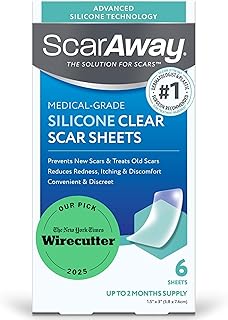
If you're navigating the world of post-surgical recovery, managing a C-section scar, or dealing with the aftermath of acne or burns, you've likely heard about silicone scar sheets. These unassuming, flexible sheets have become a cornerstone of professional scar management, recommended by dermatologists and plastic surgeons worldwide. But with so many options available, how do you choose the right one and use it effectively? This guide cuts through the noise, providing you with evidence-based insights and practical steps to harness the power of silicone gel technology for smoother, less noticeable skin.
The Science Behind Silicone Scar Sheets: How Do They Work?
Unlike topical creams that sit on the skin's surface, silicone scar sheets create a unique microenvironment over the scar. The mechanism is multifaceted. First, the semi-occlusive layer helps to hydrate the scar tissue by reducing transepidermal water loss. This hydration is crucial because it signals to the fibroblasts (the cells that produce collagen) to slow down excessive collagen production, which is what causes raised, hypertrophic, or keloid scars. Second, the gentle pressure and stabilization provided by the sheet can help flatten and soften the scar. Finally, by protecting the fragile new skin from friction, bacteria, and UV rays, the sheets create an ideal environment for the scar to mature and blend with the surrounding skin. This combination of hydration, protection, and pressure is what makes medical-grade silicone sheets so effective for a wide range of scars, from surgical incisions to acne marks.
Choosing Your Professional Scar Removal Sheets: Key Factors
Not all silicone sheets are created equal. When selecting a product, such as a professional-grade silicone scar tape roll, consider these critical factors. The thickness and durability of the silicone are paramount; medical-grade sheets are designed to be reused for weeks, maintaining their adhesive and therapeutic properties. Look for sheets that are hypoallergenic and latex-free to minimize the risk of irritation. The size and format matter too. A roll format, like a 1.6” x 120” roll, offers unparalleled versatility, allowing you to cut custom shapes and lengths to perfectly fit scars on joints, curved areas like the abdomen for c-section scar treatment, or smaller acne scars. This adaptability is a significant advantage over pre-cut patches.
Material Quality and Reusability
The hallmark of a high-quality product is its reusability. Premium reusable scar strips can be worn for up to 24 hours a day, removed, washed with mild soap and water, and reapplied. A single sheet can last for weeks, making it a cost-effective solution in the long term. Ensure the adhesive is strong enough to stay in place during daily activities and sleep but gentle enough to remove without damaging the new skin. The silicone should feel comfortable, be breathable to prevent maceration, and be transparent or skin-toned for discretion under clothing.
Step-by-Step Guide to Using Silicone Scar Sheets Effectively
Maximizing the benefits of your scar sheets requires proper technique. Start with a clean, dry, and completely healed scar. The wound must be fully closed with no scabs, open areas, or signs of infection. Cut a piece from your silicone roll that extends at least half an inch beyond the scar's border on all sides. Peel off the backing and apply the sheet smoothly, ensuring no wrinkles. For best results, most studies recommend wearing the sheet for a minimum of 12 hours per day, and ideally for 24 hours, for a period of 2 to 6 months. Consistency is key. Remove the sheet daily to wash both the scar and the sheet, allowing the skin to breathe for a short period before reapplying. This routine is essential for effective post-surgery scar care.
Application for Specific Scar Types
The application strategy can vary. For linear surgical scars, a long, thin strip works well. For wider scars, like some burns or keloids, you may need to use wider pieces or overlap multiple strips. When dealing with challenging keloid scar therapy, patience and prolonged use are often necessary, and sheets may be combined with other treatments like corticosteroid injections under a doctor's guidance. For acne scars, smaller, custom-cut pieces can be placed directly over individual scars or areas of scarring.
Common Mistakes to Avoid for Optimal Healing
Even with the best product, mistakes can hinder progress. The most common error is starting too early on a wound that isn't fully healed, which can trap moisture and cause infection. Another is inconsistency—sporadic use yields sporadic results. Avoid using oils, lotions, or creams under the sheet unless they are specifically designed to work with silicone, as they can break down the adhesive and material. Don't stretch the sheet too tightly over joints; it should lay flat without pulling. Finally, manage your expectations. While silicone sheets significantly improve scar color, texture, and height, they may not make a scar completely invisible. Their goal is to create a soft, flat, and pale scar that is much less noticeable.
Integrating Silicone Sheets into Your Overall Scar Care Routine
Silicone scar sheets are most powerful as part of a holistic approach. This includes diligent sun protection, as UV rays can permanently darken a scar. Use a high-SPF sunscreen or protective clothing over the scar when the sheet is off. Gentle massage around the scar (not directly on it while the sheet is on) can improve circulation and break down stiffness. Maintaining a healthy diet rich in vitamins C and E, zinc, and protein supports your body's natural healing processes from the inside out. Remember, professional scar removal is a marathon, not a sprint, and combining these practices with consistent sheet use gives you the best chance for an optimal outcome.
Conclusion: Your Path to Improved Skin Confidence
Investing in a professional-grade silicone scar sheet roll is an investment in your skin's future and your personal confidence. By understanding the science, carefully selecting a high-quality, reusable product like a versatile silicone tape roll, and applying it with consistent, correct technique, you take active control of your healing journey. Whether you're treating a C-section scar, a surgical incision, a keloid, or acne scarring, these sheets offer a proven, non-invasive path to smoother, more comfortable skin. Start your journey today by choosing a product designed for results and commit to the process—your skin will thank you.