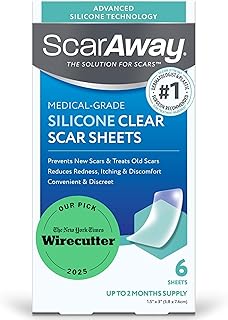
You've invested in silicone scar sheets, following the promise of smoother, less visible scars. You apply them diligently, but weeks go by with minimal improvement. Frustration sets in. The problem likely isn't the product itself—medical-grade silicone is a clinically proven scar management solution. The problem is often in the how. Countless users unknowingly sabotage their own results with simple, avoidable errors. This guide isn't another generic "how-to"; it's a deep dive into the seven most common pitfalls that prevent silicone scar sheets from working their magic on scars from C-sections, keloids, burns, acne, and surgeries.
Mistake #1: Starting Treatment Too Late (or Too Early)
Timing is everything in scar therapy. One of the biggest misconceptions is that you should wait until the scar is fully healed and "old" before starting treatment. Conversely, applying sheets to an open wound is a serious error.
The Right Way: Begin treatment once the wound is fully closed, with no scabs, open areas, or signs of infection. This is typically 2-3 weeks after stitches are removed or a surgical incision has sealed. For C-section scar treatment, this means waiting until your doctor confirms the incision is completely healed. Starting at this optimal window allows the silicone to influence the collagen remodeling process from the beginning, preventing excessive scar tissue buildup. Using a product like our Silicone Scar Sheets Roll at the right time can significantly improve outcomes by hydrating the new skin and flattening raised tissue before it becomes stubborn.
Mistake #2: Inconsistent Wear Time
"I wear them at night" or "I put them on for a few hours a day" are statements that explain poor results. Silicone works through continuous hydration and occlusion, a process that requires consistency.
The Right Way: For optimal effectiveness, most clinical studies recommend wearing scar removal tape for a minimum of 12 hours per day, and ideally 20-24 hours daily, especially in the initial months. Think of it as a prescribed therapy, not a sporadic treatment. Remove the sheets only to wash the scar and the sheet itself (if reusable), then reapply immediately. This constant environment softens the scar, reduces redness, and relieves itching. Inconsistency resets the progress daily.
Mistake #3: Applying to Dirty or Oily Skin
Applying silicone sheets to skin that isn't clean is like putting a bandage over dirt. It prevents proper adhesion and can trap bacteria, leading to skin irritation or even compromising the scar.
The Right Way: Gently cleanse the scar area with mild soap and water. Pat it completely dry before application. Any moisture or oil residue will cause the sheet to slip, peel, or not make full contact with the scar tissue, which is essential for the hydrating effect. For best adhesion, ensure the skin is cool and dry. This simple step is crucial for the effectiveness of any reusable scar strips.
Mistake #4: Not Cleaning and Reusing Sheets Properly
If you're using reusable sheets, how you clean them directly impacts their lifespan, adhesion, and hygiene. Rinsing them under water isn't enough.
The Right Way: During your daily shower or when changing sheets, wash them with a mild, fragrance-free soap. Gently rub the adhesive side with your fingers to remove skin oils and debris. Rinse thoroughly and allow them to air dry on the provided backing or a clean, dry surface sticky-side up. Never use alcohol, harsh cleansers, or heat to dry them, as this will degrade the silicone. A well-maintained sheet from a quality roll can last for weeks, making it a cost-effective part of your surgical scar treatment regimen.
Mistake #5: Expecting Overnight Results
Scar remodeling is a biological process measured in months, not days. Impatience leads many to abandon treatment just as it's beginning to work.
The Right Way: Manage your expectations. Initial improvements in texture and itching may be seen in 4-8 weeks. Significant visual improvement in color and flattening, especially for raised scars like keloids, typically requires 3-6 months of consistent use. Take monthly photos in consistent lighting to track subtle progress you might otherwise miss. Commitment is key.
Mistake #6: Using the Wrong Size or Not Trimming
A sheet that only partially covers the scar, or that extends far onto healthy skin, is less effective. The silicone needs to create a sealed environment over the entire scar area.
The Right Way: Cut your silicone sheet to extend about 1/4 to 1/2 inch beyond the scar's border on all sides. This ensures complete coverage even if the sheet shifts slightly. The beauty of a roll format is the ability to customize for any scar shape—long linear surgical scars, round acne scars, or irregular burn scars. Proper coverage is non-negotiable for effective therapy.
Mistake #7: Neglecting Sun Protection on the Scar
This mistake happens even when using sheets correctly. New scar tissue is highly susceptible to UV damage, which can cause permanent hyperpigmentation (darkening). Silicone sheets themselves do not contain sunscreen.
The Right Way: When the scar is exposed to the sun, you have two options. First, keep the silicone sheet on—it provides a physical barrier. Second, if the sheet is off, apply a broad-spectrum sunscreen (SPF 30 or higher) directly to the scar. This should be a non-negotiable part of your scar care routine for at least a year, as it prevents the scar from turning permanently darker than your surrounding skin.
Putting It All Together: Your Correct Application Checklist
To avoid these pitfalls, follow this actionable checklist for using Silicone Scar Sheets effectively:
- Timing: Start on a fully closed, healed wound (approx. 2-3 weeks post-surgery).
- Preparation: Cleanse and thoroughly dry the scar area.
- Application: Cut sheet to size, covering scar + 1/2" border. Press firmly to ensure full contact.
- Wear Time: Aim for 20-24 hours/day. Remove only for cleaning.
- Maintenance: Wash reusable sheets daily with mild soap, air dry.
- Sun Protection: Keep sheet on or apply high-SPF sunscreen to exposed scar.
- Patience: Commit to a minimum of 3 months of consistent use for visible results.
By understanding and avoiding these seven common errors, you transform your silicone scar tape from a simple bandage into a powerful, proactive scar management tool. The clinical benefits of silicone are well-documented, but they require a correct and consistent partnership with the user. Whether you're treating a C-section scar, a keloid, or a surgical incision, mastering these details is the key to unlocking the smoother, softer, and less noticeable results you deserve. Don't let simple mistakes slow down your healing journey.