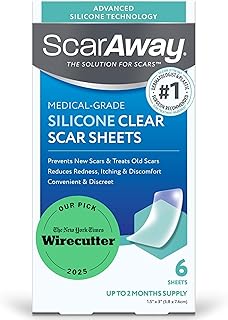
For anyone navigating the journey of scar healing, whether from surgery, injury, or acne, the quest for an effective, non-invasive solution is paramount. Among the most clinically proven and dermatologist-recommended options available today are silicone scar sheets. These unassuming, flexible sheets have revolutionized scar management, offering a simple yet powerful method to improve the appearance and texture of scars. This guide delves deep into the science behind their efficacy, explores their diverse benefits, and provides a comprehensive, step-by-step application protocol to help you achieve the best possible results for your skin.
The Science Behind Silicone Scar Sheets: How Do They Work?
The effectiveness of silicone sheeting is not anecdotal; it's backed by over 30 years of clinical research and is considered the gold standard in topical scar prevention and treatment. But how does a simple sheet of silicone create such transformative changes? The mechanism is multifaceted, primarily involving hydration and occlusion.
When applied to a scar, the silicone sheet creates a protective, semi-occlusive barrier. This barrier does two critical things: it prevents transepidermal water loss (TEWL) from the scar tissue underneath, and it allows a controlled amount of oxygen to permeate. The result is optimal hydration of the stratum corneum (the outermost layer of skin). This hydrated environment signals the fibroblasts—the cells responsible for collagen production—to slow down. In overactive scarring like keloids or hypertrophic scars, fibroblasts produce an excess of disorganized collagen fibers. By modulating this activity, silicone helps reorganize collagen deposition, leading to a flatter, softer, and more pliable scar.
Furthermore, the sheet protects the fragile new skin from bacteria and external friction, reducing irritation and inflammation that can worsen scar appearance. This combination of hydration, protection, and collagen regulation is why products like our Reusable Medical-Grade Silicone Scar Sheets are so successful for a wide range of scar types, from C-section scars to acne scars.
Key Benefits of Using Medical-Grade Silicone for Scars
Choosing a high-quality, medical-grade silicone product is crucial for safety and results. The benefits extend far beyond simple cosmetic improvement.
- Flattens and Softens Raised Scars: This is the primary benefit for hypertrophic and keloid scars. Consistent use gradually reduces scar height and improves pliability, making the scar less noticeable and more comfortable.
- Reduces Redness and Hyperpigmentation: The hydrated environment and reduced inflammation help normalize skin color, fading the red, purple, or dark discoloration often associated with new scars.
- Relieves Itching and Discomfort: Many scars, especially healing surgical ones, can be intensely itchy. The silicone layer acts as a buffer, soothing the nerve endings and providing significant relief.
- Non-Invasive and Painless: Unlike steroid injections or laser therapy, silicone sheets are a completely non-invasive, pain-free treatment that can be self-managed at home.
- Preventative Action: They are most effective when used early in the healing process (once the wound is fully closed) to prevent poor scarring from forming in the first place.
- Suitable for Sensitive Skin: Medical-grade silicone is hypoallergenic and non-irritating for most skin types, making it a safe option for prolonged use.
What Types of Scars Can Silicone Sheets Treat?
The versatility of silicone scar treatment is one of its greatest strengths. It is applicable to a broad spectrum of scar origins and morphologies.
- Surgical Scars: Ideal for scars from surgeries like appendectomies, joint replacements, and cosmetic procedures. Proper post-surgery scar care is essential for optimal cosmetic outcomes.
- C-Section Scars: A very common application. The sheets can soften the often raised and tight scar line from a cesarean delivery, improving comfort and appearance.
- Keloid and Hypertrophic Scars: As a first-line therapy, silicone sheets are fundamental in managing these overgrown scars, helping to reduce their size and symptoms. Explore our resources on keloid scar removal strategies.
- Acne Scars: Particularly effective for raised (hypertrophic) acne scars and can help improve the texture and color of atrophic (pitted) scars as part of a broader regimen.
- Burn Scars: Used in burn clinics worldwide to manage scarring from second and third-degree burns, improving pliability and reducing contractures.
- Trauma and Injury Scars: Scars resulting from accidents, cuts, or abrasions can also benefit significantly from silicone therapy.
Step-by-Step Guide: How to Use Silicone Scar Sheets for Best Results
Maximizing the benefits of your reusable silicone tape requires correct and consistent application. Follow this detailed protocol.
Step 1: Preparation is Key
Start with a clean, dry scar. Gently wash the area with mild soap and water, then pat it completely dry with a clean towel. Do not apply any lotions, oils, or creams to the scar before applying the sheet, as this will prevent proper adhesion. The skin must be free of moisture and residue.
Step 2: Cutting and Applying the Sheet
Using clean scissors, cut a piece of silicone sheet that is large enough to cover the entire scar with a margin of at least 1/4 to 1/2 inch on all sides. For a product like our 1.6" x 59" roll, this allows for custom sizing for scars of various lengths. Peel the protective backing off the sheet and apply it smoothly over the scar, ensuring there are no wrinkles or air bubbles. The sheet should lay flat against the skin.
Step 3: Wear Time and Consistency
For optimal results, wear the sheet for a minimum of 12 hours per day, and ideally for 24 hours if comfortable and practical. Many users find it easiest to wear them continuously, only removing them for bathing. Consistency is the single most important factor. Clinical studies show best results with continuous use for 2 to 6 months, depending on the scar's age and severity. New scars may show improvement in 8-12 weeks.
Step 4: Cleaning and Reuse
One of the economic and environmental advantages is reusability. To clean, gently rinse the sheet with lukewarm water or a mild soap solution after removal. Pat it dry with a clean towel and allow it to air dry completely on its plastic backing before reapplying. A single sheet, with proper care, can last for several weeks to a month or more before losing its adhesive properties.
Maximizing Your Results: Pro Tips and Common Mistakes to Avoid
To ensure you get the most out of your scar therapy, keep these expert tips in mind.
Pro Tips:
- Start Early: Begin treatment as soon as the wound is fully closed, stitches/staples are removed, and there is no scabbing or open skin.
- Be Patient: Scar remodeling is a slow biological process. Do not expect overnight results. Commit to the regimen for at least 2-3 months before evaluating.
- Combine with Massage: After removing the sheet for cleaning, take a minute to gently massage the scar with clean fingers. This can help break down collagen bonds and improve flexibility.
- Protect from Sun: New scar tissue is highly susceptible to UV damage, which can cause permanent darkening. Always keep the scar covered with clothing, the silicone sheet, or a high-SPF sunscreen.
Common Mistakes:
- Applying to Open Wounds: Never use silicone sheets on wounds that are not fully healed, as this can lead to infection.
- Inconsistent Use: Sporadic application severely limits effectiveness. Daily, prolonged wear is necessary.
- Using on Oily or Moist Skin: This prevents adhesion and reduces the hydrating effect.
- Giving Up Too Soon: Discontinuing use after only a few weeks is the most common reason for perceived treatment failure.
Why Choose Medical-Grade Silicone?
Not all silicone products are created equal. Medical-grade silicone is manufactured to a higher purity standard, ensuring it is safe for prolonged contact with healing skin. It is free from latex, phthalates, and other common irritants. Our Silicone Scar Tape is designed with these standards in mind, offering a soft, breathable, and virtually invisible solution that can be worn discreetly under clothing. Its durability and reusability make it a cost-effective choice for the long treatment periods often required for significant scar healing.
Conclusion: Your Path to Improved Skin Health
Silicone scar sheets represent a fusion of simple technology and profound biological understanding. By creating an ideal healing microenvironment, they empower your body to remodel scar tissue more effectively. Whether you're recovering from surgery, managing a keloid, or seeking to improve acne scarring, incorporating a high-quality medical-grade silicone sheet into your routine offers a proven, safe, and effective path toward smoother, less noticeable skin. Remember, the pillars of success are an early start, choosing a reputable product, and, above all, unwavering consistency in your daily care.