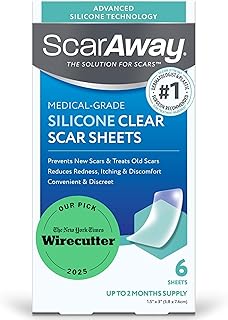
For anyone navigating the journey of scar healing, whether from surgery, injury, or acne, the search for an effective, non-invasive solution often leads to one standout recommendation: Silicone Scar Sheets. These unassuming, flexible sheets have become a cornerstone of modern scar therapy, backed by decades of clinical research and dermatological endorsement. But what exactly are they, and how do they transform the appearance of raised, discolored, or textured scars? This guide delves deep into the science, application, and real-world benefits of silicone gel sheeting, empowering you with the knowledge to make informed decisions about your skin's recovery.
The principle behind silicone scar sheets is elegantly simple yet profoundly effective. They create a unique microenvironment over the scar. By providing a protective, semi-occlusive barrier, the sheets help to hydrate the scar tissue, regulate collagen production, and flatten the scar's profile. Unlike creams that can rub off, these sheets offer consistent, 24-hour contact, making them a highly reliable form of treatment for stubborn scars like keloids and hypertrophic scars.
The Science Behind Silicone: How Scar Sheets Actually Work
Understanding the mechanism can demystify their effectiveness. Scar formation is the body's natural response to heal skin after it has been damaged past its first layer. Problems arise when the body produces too much collagen, leading to raised, red, or itchy scars. Silicone sheets address this at multiple levels. First, hydration is key. The silicone gel helps to restore the skin's barrier function, preventing excessive water loss from the scar tissue. This hydration signals to the skin that it no longer needs to overproduce collagen, helping to soften and flatten the scar.
Second, they provide gentle pressure and protection from external irritants and bacteria. The sheets also help to reduce itching and discomfort, common complaints with healing scars, by shielding delicate nerve endings. This combination of occlusion, hydration, and protection is why silicone gel sheeting is considered a first-line therapy by plastic surgeons and dermatologists worldwide for preventing and treating problematic scars.
Who Can Benefit from Using Silicone Scar Sheets?
The applications for silicone scar sheets are remarkably broad. They are not just for recent surgical incisions but are effective on scars that are months or even years old. Ideal candidates include individuals with:
- Surgical Scars: From appendectomies and joint replacements to cosmetic procedures. Consistent use can help minimize the appearance of the incision line, promoting a finer, less noticeable scar. For dedicated surgical scar care, a product like a long, flexible roll is invaluable as it can be custom-cut to fit any incision length.
- Keloid and Hypertrophic Scars: These are the primary targets for silicone therapy. Keloids are raised scars that grow beyond the original wound boundary, while hypertrophic scars are raised but stay within the wound area. Both involve an overproduction of collagen. Keloid scar treatment with silicone sheets is a well-established conservative management strategy to reduce redness, thickness, and pliability.
- C-Section and Mastectomy Scars: These life-changing surgeries often leave significant scars. Silicone sheets can be used once the incision is fully closed and healed to improve comfort and appearance during the recovery process.
- Acne Scars and Burn Scars: For raised (hypertrophic) acne scars or scars from minor burns, silicone sheeting can help smooth and soften the skin's texture.
Key Features to Look for in Quality Silicone Scar Sheets
Not all silicone sheets are created equal. When selecting a product, several features distinguish medical-grade, effective options from less reliable ones. Foremost is the material: true medical-grade silicone is hypoallergenic, non-toxic, and designed for prolonged skin contact. It should be self-adhesive, eliminating the need for additional tapes that can irritate the skin.
Durability and reusability are major factors for cost-effectiveness and convenience. High-quality sheets are washable and can be reused for up to 7-14 days, making a single pack last for an extended treatment period. The thickness and flexibility are also crucial; the sheet should be thin enough to be discreet under clothing but durable enough to stay in place during daily activities. A product format like a roll, such as the NUVADERMIS 120" roll, offers unparalleled versatility, allowing you to cut precise shapes and lengths for scars of any size or location, from a small knee scar to a long spinal incision.
Step-by-Step Guide: How to Use Silicone Scar Sheets for Best Results
Proper application is critical for success. Follow these steps to maximize the benefits of your scar tape:
- Start with Clean, Dry Skin: Gently wash the scar area with mild soap and water. Pat it completely dry. Oils, lotions, or moisture will prevent the sheet from adhering properly.
- Cut to Size: Using clean scissors, cut a piece of the silicone sheet that extends at least 1/2 inch beyond the border of the scar on all sides. This ensures full coverage and effective hydration.
- Apply the Sheet: Peel off the backing and carefully apply the sheet over the scar, smoothing it out from the center to avoid air bubbles. Ensure it lies flat against the skin.
- Wear Time: For optimal results, wear the sheet for a minimum of 12 hours per day, ideally 20-24 hours. Consistency is more important than continuous 24/7 wear; you can remove it for bathing and reapply.
- Cleaning and Reuse: Upon removal, rinse the sheet with lukewarm water or a mild soap solution. Let it air dry on its original backing before reapplying. Most reusable scar sheets can last 1-2 weeks before needing replacement.
- Commit to Duration: Scar remodeling takes time. Plan to use the sheets consistently for a minimum of 2-3 months for newer scars. Older or more severe scars may require 6 months or longer of treatment.
Addressing Common Concerns: Itchiness, Redness, and Hypertrophic Scars
Many users seek out silicone sheets specifically for persistent issues like itching and raised texture. For hypertrophic scar management, the sheets work by applying constant, gentle pressure and hydration, which has been shown to break down excess collagen bundles. The reduction in itching is one of the most immediate and appreciated benefits, often noticed within the first few days of use, as the silicone protects the scar from friction and clothing irritation.
Redness (erythema) is caused by increased blood flow to the healing area. The occlusive nature of the silicone sheet helps to normalize the skin's environment, which can gradually reduce this redness over several weeks of consistent use. It's important to manage expectations: while silicone sheets are highly effective, they are a treatment, not an instant cure. Patience and consistency are the true keys to visible improvement.
Beyond Scars: The Surprising Use of Silicone for Wrinkles
An interesting off-label use that has gained popularity is the application of silicone sheets as wrinkle tape. The concept leverages the same hydrating and protective principles. By applying thin strips of medical-grade silicone to areas like forehead lines or crow's feet overnight, users aim to temporarily plump the skin through intense hydration, leading to a smoother appearance upon removal. While not a permanent anti-aging solution like retinoids or professional treatments, it can offer a temporary, non-invasive boost for special occasions. It's a testament to the versatile, skin-friendly nature of the silicone gel sheeting technology.
Realistic Expectations and When to See a Dermatologist
Silicone scar sheets can dramatically improve the color, texture, height, and pliability of scars. However, they will not make a scar completely disappear. The goal is to transform a problematic, noticeable scar into a softer, flatter, and less pigmented one that blends more seamlessly with the surrounding skin. They are most effective when used as part of a comprehensive scar care regimen that may include sun protection (UV rays can darken scars) and gentle massage.
If a scar is causing significant pain, continues to grow rapidly (a hallmark of aggressive keloids), or shows signs of infection, it is essential to consult a dermatologist or plastic surgeon. They can assess the scar and may recommend combining silicone sheeting with other treatments like corticosteroid injections or laser therapy for a multimodal approach.
Conclusion: Empowering Your Scar Healing Journey
In the realm of scar management, silicone scar sheets stand out as a proven, patient-friendly, and effective tool. Their medical-grade formulation, reusability, and ability to address a wide range of scar types—from fresh surgical incisions to stubborn keloids—make them a valuable investment in your skin's health and appearance. By understanding the science, committing to proper application, and setting realistic goals, you can actively participate in improving your scars. Whether you choose a versatile roll format for customizable coverage or pre-cut shapes for convenience, incorporating this gold-standard therapy into your routine can lead to smoother, softer skin and restored confidence.