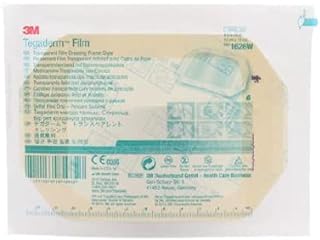
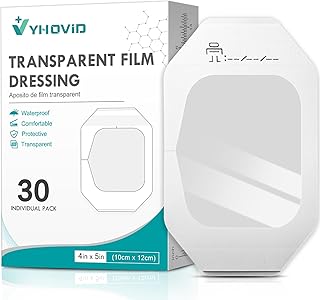
When it comes to advanced wound care, few products have achieved the level of trust and recognition as Tegaderm transparent film dressings. These innovative, waterproof, and breathable films have revolutionized how we protect and monitor healing skin, from post-surgical sites to minor abrasions and even fresh tattoos. This comprehensive guide will explore everything you need to know about Tegaderm dressings, including their core benefits, diverse applications, and step-by-step instructions for optimal use.
At its core, a transparent dressing like Tegaderm is a thin, adhesive polyurethane film. Its primary purpose is to create a moist healing environment, a concept proven to accelerate the body's natural repair processes. Unlike traditional gauze and tape, which can stick to the wound and disrupt delicate new tissue, Tegaderm allows for undisturbed healing. Its transparency is a game-changer for both patients and healthcare providers, enabling visual inspection of the wound site without the need to remove the dressing, reducing pain and the risk of infection.
What is Tegaderm and How Does It Work?
Tegaderm is a brand of transparent film dressings manufactured by 3M. It functions as a semi-permeable membrane. It is waterproof, preventing bacteria and external contaminants from entering the wound, yet it allows oxygen to pass through and moisture vapor (from sweat and wound exudate) to escape. This balance is crucial. A completely occlusive dressing can lead to maceration, where the surrounding skin becomes overly wet and breaks down. Tegaderm's breathability helps prevent this, maintaining healthy skin integrity around the wound.
The adhesive on Tegaderm is hypoallergenic and designed to stick securely to dry, intact skin but not to the moist wound bed itself. This makes removal significantly less painful than with standard medical tape or adhesive bandages. The film is also stretchable and flexible, conforming comfortably to joints and other mobile areas without restricting movement.
Key Benefits and Advantages of Using Tegaderm
Why choose a transparent film dressing over other options? The advantages are numerous and well-documented in clinical and personal care settings.
- Promotes Faster Healing: By maintaining a moist wound environment, Tegaderm supports the migration of epithelial cells, which is essential for skin regeneration.
- Waterproof Protection: Patients can shower, bathe, and even swim without worrying about soaking their dressing, greatly improving quality of life during recovery.
- Superior Visibility: Continuous monitoring of the wound for signs of infection (increased redness, swelling, or pus) is possible without removal.
- Reduced Pain and Trauma: The non-adherent nature of the film means less pain during dressing changes and no damage to fragile new tissue.
- Secure and Comfortable Adhesion: The gentle yet strong adhesive holds firmly during daily activities, and its thin profile is barely noticeable.
- Versatility: Effective for a wide range of wound types, from surgical incisions and IV sites to burns, abrasions, and blisters.
Common and Specialized Uses for Tegaderm Dressings
Post-Surgical and Wound Care
This is the most common application. After procedures, a clean surgical dressing is critical. Tegaderm is ideal for covering sutures, staples, or sterile strips. It protects the incision from infection while allowing the surgical team or patient to check the healing progress easily. For example, the Transparent Dressing, 6 x 8 Inch, 10 Count by Tegaderm provides ample coverage for larger abdominal or orthopedic surgical sites.
Tattoo Aftercare
The tattoo community has widely adopted Tegaderm (often called a "second skin") for the initial healing phase. Applied by the artist immediately after tattooing, it seals the fresh tattoo, protecting it from bacteria, clothing friction, and environmental contaminants. It contains blood, plasma, and excess ink ("weeping") for the first 24-48 hours, creating an ideal moist healing environment that can result in brighter, sharper healed tattoos with less scabbing.
IV Site and PICC Line Protection
In hospital and home-care settings, Tegaderm is frequently used to secure and protect intravenous catheter sites and PICC lines. Its transparency allows nurses to monitor for phlebitis (vein inflammation) or infiltration, and its waterproof nature allows patients to maintain hygiene.
Managing Chronic Wounds and Blisters
For diabetic ulcers, pressure sores, or friction blisters, Tegaderm can be a valuable part of the care plan. It protects the area from further injury and infection. For blisters, it can be applied over a sterilized, drained blister to provide a protective cushion while it heals.
Step-by-Step Guide: How to Apply Tegaderm Correctly
Proper application is key to maximizing the benefits and wear time of any adhesive film dressing. Follow these steps for best results.
- Prepare the Skin: The area must be completely clean, dry, and free of oils, lotions, or powders. Shave excessive hair if necessary, as hair can prevent a good seal and make removal painful.
- Prepare the Dressing: Choose a size that provides at least a 1-2 inch border of intact skin around the wound. Peel half of the paper liner from the dressing, being careful not to touch the adhesive center.
- Apply and Secure: Position the exposed adhesive side over the wound, ensuring it is centered. Gently smooth it down onto the skin. Slowly peel away the remaining liner while continuing to smooth the film outward from the center, eliminating wrinkles and air bubbles.
- Final Seal: Press firmly around all edges for 30 seconds. The warmth of your hand helps activate the adhesive for a secure, waterproof seal.
How to Remove Tegaderm Painlessly
Removal is straightforward if done correctly. Gently lift one corner of the dressing. Then, slowly stretch the film parallel to the skin, pulling it back over itself (like removing a command strip from a wall). This "low and slow" stretching technique helps release the adhesive with minimal discomfort. Do not pull upward quickly. If needed, you can use medical adhesive remover or baby oil around the edges to help dissolve the adhesive.
Choosing the Right Tegaderm Product
Tegaderm comes in a variety of sizes and configurations to suit different needs. For general purpose use on medium to large wounds, the 6x8 inch size is highly versatile. It's important to select a sterile dressing from a reputable supplier to ensure safety and efficacy. Always check the product packaging for specific indications and contraindications.
Frequently Asked Questions About Tegaderm
How long can I leave Tegaderm on? For clean, low-exudate wounds, it can often be left in place for up to 7 days, or as directed by a healthcare professional. Change it immediately if the edges lift, it becomes soiled, or fluid leaks out.
Can I use Tegaderm on an infected wound? No. Transparent film dressings are not suitable for wounds with active, heavy infection or significant drainage. They are intended for clean, healing wounds. Consult a doctor for infected wounds.
What if I'm allergic to the adhesive? While the adhesive is hypoallergenic, reactions can occur. Discontinue use if you experience significant redness, itching, or rash under the dressing borders.
Can I put ointment under Tegaderm? Typically, no. Ointments and creams can break down the adhesive and prevent a proper seal. Tegaderm is designed to be applied directly to clean, dry skin. If a topical medication is required, consult your doctor for a compatible dressing system.
Conclusion: A Modern Standard in Protective Care
From the hospital to the home, Tegaderm transparent film dressings have set a high standard for convenient, effective, and patient-friendly wound management. Their unique combination of protection, visibility, and comfort addresses the shortcomings of traditional dressings. Whether you are recovering from surgery, caring for a chronic wound, or protecting a new tattoo, understanding how to properly use a product like the Tegaderm 6x8 inch dressing empowers you to take an active role in the healing process. Always follow the guidance of your healthcare provider for specific medical advice related to your individual care needs.