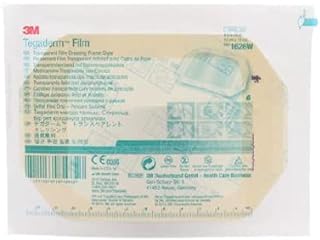
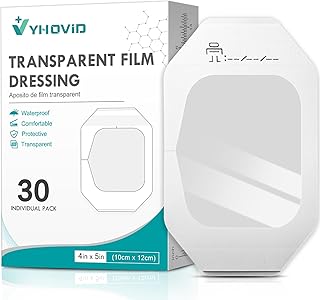
When it comes to protecting wounds, surgical sites, or new tattoos while maintaining a normal lifestyle, few products are as versatile and trusted as transparent film dressings. Among these, the name Tegaderm stands out as a leader in the field. This thin, adhesive, and waterproof film creates a protective barrier that allows for monitoring of the healing process without removing the dressing. Whether you're recovering from surgery, managing a chronic wound, or caring for a new tattoo, understanding how to use these dressings correctly is crucial for optimal healing and protection.
Transparent film dressings, often referred to by the brand name Tegaderm, are a type of advanced wound dressing. They are made from a polyurethane membrane that is permeable to oxygen and water vapor but impermeable to bacteria and water. This unique property creates a moist wound healing environment, which is clinically proven to accelerate the healing process compared to dry gauze dressings. The transparency allows healthcare providers and patients to visually assess the wound site for signs of infection or healing progress without disturbing the delicate healing tissue.
What is Tegaderm and How Does It Work?
Tegaderm is a brand of transparent film dressing originally developed by 3M. It has become so synonymous with the product category that the name is often used generically. The dressing works by adhering to the dry, healthy skin surrounding a wound, creating a sealed, waterproof environment. The film is semi-permeable, meaning it allows oxygen to reach the wound (essential for healing) and allows excess moisture vapor to escape, preventing maceration of the surrounding skin. At the same time, it acts as a formidable barrier against external contaminants like bacteria, dirt, and water, making it ideal for use during activities like showering or swimming.
Key Benefits of Using Transparent Film Dressings
The popularity of products like our 80-pack transparent film dressing is driven by a host of patient and clinician-friendly benefits. First and foremost is the creation of a moist wound bed. Decades of research support moist wound healing as it promotes faster epithelial cell migration, reduces pain, and minimizes scar formation. The waterproof nature provides unparalleled freedom, allowing patients to bathe, shower, and even swim without worrying about contaminating their wound or getting a conventional bandage soggy and ineffective.
For post-surgical care, these dressings are invaluable. They protect the incision site from bacteria and water during the critical initial healing phase, which can significantly reduce the risk of surgical site infections. The transparency is another major advantage; it enables continuous visual inspection for redness, swelling, or discharge—key signs of potential complications—without the need for painful and disruptive dressing changes. Furthermore, the thin, flexible film conforms comfortably to body contours like knees, elbows, and joints, moving with the skin without restricting mobility.
Common and Specialized Uses for Tegaderm Dressings
Wound Care and Management
In clinical settings, transparent film dressings are used for a variety of wounds. They are ideal for superficial wounds, partial-thickness wounds, and as a secondary dressing to secure gauze or other primary dressings. They are also excellent for protecting intravenous (IV) catheter sites and central lines, securing them in place while allowing visibility of the insertion point. For patients with fragile skin or those requiring frequent dressing changes, the gentle adhesive of quality film dressings minimizes trauma to the surrounding skin.
Tattoo Aftercare: A Game-Changer
The tattoo industry has widely adopted transparent film dressings for initial aftercare, revolutionizing the healing process. A fresh tattoo is essentially an open wound. Applying a film dressing immediately after the tattoo is done creates a sealed, sterile environment. It protects the new art from bacteria, clothing friction, and environmental irritants. The dressing collects plasma and ink that weep from the skin in the first 24-48 hours—this is normal and part of the healing process—preventing it from drying into a thick scab. This method, often called the "second skin" method, typically results in less scabbing, brighter color retention, and a smoother heal. It's crucial to follow specific tattoo aftercare instructions, including how long to leave the initial dressing on (usually 24 hours) and proper cleaning before applying a new one if recommended by your artist.
Post-Surgical and Scar Therapy
After surgeries, keeping the incision clean and dry is paramount. A surgical shower bandage like a transparent film dressing allows patients to maintain hygiene without compromising the wound. It acts as a reliable IV shield for PICC lines or ports. Furthermore, once the wound is closed, continued use of film dressings can aid in scar therapy. By maintaining hydration over a forming scar, the dressing can help soften and flatten the scar tissue, potentially improving the cosmetic outcome. Some protocols involve using silicone sheets under or over the film for enhanced scar management.
Step-by-Step Guide to Applying Tegaderm Correctly
Proper application is key to the dressing's effectiveness. First, ensure the skin around the wound is clean, dry, and free of oils, lotions, or powders. If needed, shave the area (carefully) to ensure good adhesion, but avoid nicking the skin. Peel the backing paper from the center of the dressing, holding it by the edges. Without stretching the film, carefully center it over the wound, ensuring all edges will adhere to healthy, dry skin. Gently smooth the dressing from the center outward to remove air bubbles and ensure a complete seal. There should be at least a 1-inch border of adhesive film on all sides of the wound.
For difficult areas like joints, you may need to apply the dressing with the joint in a flexed position so it can move comfortably. If covering a larger area, dressings can be overlapped like shingles on a roof. Avoid stretching the film taut during application, as this can create tension on the skin and lead to irritation or premature lifting of the edges.
How to Remove the Dressing Safely and Painlessly
Removal is just as important as application. To remove the dressing with minimal discomfort or skin damage, gently lift one corner. Then, slowly pull the dressing back parallel to the skin (almost like peeling a banana), while using your other hand to press down on the skin adjacent to the point of removal. This technique, called "low-angle removal," helps minimize stress on the skin. If adhesion is very strong, you can use medical adhesive remover wipes or even a small amount of oil (like baby oil or olive oil) along the edge to help break down the adhesive bond. Never rip it off quickly.
Choosing the Right Size and Product
Transparent film dressings come in a variety of sizes, from small patches for IV sites to large sheets for big surgical incisions or burns. Our product offering in an 80-pack format with dimensions of 2.375" x 2.75" is a versatile mid-size option perfect for covering standard wounds, smaller surgical sites, or tattoos. When selecting a size, always choose one that provides ample healthy skin border around the area you need to protect. For long-term use or frequent changes, bulk packs offer convenience and cost savings.
Potential Considerations and When to See a Doctor
While transparent film dressings are generally safe, there are a few considerations. Some individuals may have a sensitivity to the acrylic adhesive, resulting in redness or itching around the dressing edges. If this occurs, discontinue use. The dressings are not suitable for heavily draining wounds, as the excess fluid can break the seal and pool under the film, creating a risk for infection. They are also not for use on infected wounds.
It is essential to monitor the site. Change the dressing immediately if the seal breaks, if excessive fluid (pus, not clear plasma) accumulates, or if the edges become dirty or wet underneath. Consult a healthcare professional if you notice signs of infection: increased pain, redness spreading from the wound, warmth, foul-smelling discharge, or fever. For tattoo aftercare, always follow the specific instructions provided by your licensed tattoo artist.
Conclusion: A Versatile Tool for Modern Healing
From hospital rooms to tattoo studios and home medicine cabinets, transparent film dressings like Tegaderm have earned their place as an essential tool for modern wound management. Their ability to provide a protective, waterproof, yet breathable barrier that promotes moist wound healing offers significant advantages over traditional dressings. Whether you are a healthcare professional managing post-operative care, an individual with an active lifestyle needing reliable adhesive patches for a wound, or someone investing in the long-term beauty of a new tattoo, understanding and correctly using these innovative dressings can lead to better outcomes, greater comfort, and peace of mind during the healing process.