In the world of modern wound care and medical protection, few products have achieved the widespread recognition and trust of Tegaderm transparent film dressings. These versatile, waterproof barriers have become a staple in hospitals, clinics, and home care settings for their simplicity and effectiveness. Whether you're a healthcare professional managing post-operative sites, a patient with an IV line, or someone caring for a new tattoo, understanding how to properly use these dressings can significantly impact healing outcomes and comfort. This guide delves into the practical applications, key benefits, and expert techniques for getting the most out of your transparent film dressing.
What is Tegaderm and How Does It Work?
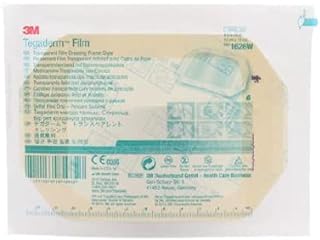
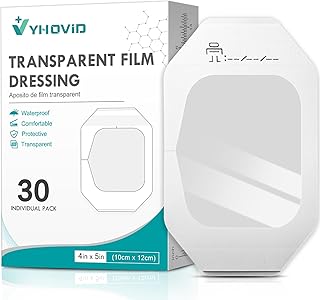
Tegaderm is a brand of transparent, adhesive film dressings manufactured by 3M. The dressing itself is a thin, flexible polyurethane membrane coated with a hypoallergenic acrylic adhesive. Its primary function is to create a moist wound healing environment while acting as a formidable barrier against external contaminants like bacteria, viruses, and water. Unlike traditional gauze and tape, it allows for continuous visual monitoring of the site without needing to remove the dressing. The "picture frame" style, such as the Tegaderm Transparent Film Dressing 2.375" x 2.75", features a non-adhesive center window. This design is crucial as it prevents the adhesive from touching the wound or sensitive skin, minimizing trauma and pain upon removal and protecting fragile new tissue.
Key Benefits of Using Transparent Film Dressings
The popularity of products like Tegaderm stems from a combination of patient-centered and clinical benefits. First and foremost, they are waterproof, allowing patients to shower and bathe normally, which greatly improves quality of life during recovery. The transparent nature provides a significant advantage for wound care monitoring; caregivers can assess for signs of infection (redness, swelling, pus) or healing progress without disturbing the wound bed. This "leave it alone" approach promotes faster healing by maintaining a stable, moist environment ideal for cell migration. Furthermore, the thin, flexible material conforms comfortably to body contours—elbows, knees, and joints—without restricting movement, making it an excellent choice for active individuals or for protecting IV dressing sites.
Common and Creative Uses for Tegaderm Dressings
1. Wound Care and Post-Surgical Sites
This is the classic application. Tegaderm dressings are ideal for superficial wounds, abrasions, burns, and closed surgical incisions. They protect the area from infection while keeping it moist. For larger areas, dressings can be overlapped like shingles. Always ensure the skin around the wound is clean, dry, and free of lotions or powders for optimal adhesion.
2. Securing and Protecting IV Catheters & PICCs
In clinical settings, transparent film dressings are the gold standard for securing peripheral IV lines, central lines, and PICC lines. The picture frame style is particularly valuable here. The non-adhesive window sits directly over the catheter insertion point, preventing the adhesive from tugging on the catheter itself and allowing clear visualization of the site for daily checks by nursing staff.
3. Tattoo Aftercare
The tattoo community has widely adopted Tegaderm and similar products for the initial healing phase. Applied by the artist immediately after tattooing, it seals in the plasma and ink that naturally weep from the fresh tattoo. This creates a perfect healing environment for the first 24-72 hours, protecting the art from bacteria, clothing friction, and contaminants. It eliminates the need for frequent washing and ointment application during this critical period.
4. Protecting Skin from Friction and Blisters
Athletes, hikers, and healthcare workers on their feet all day use these dressings as a proactive measure. Applying a piece over common blister hotspots (heels, toes) can prevent painful friction blisters. The low-profile, waterproof nature makes it far superior to bulky bandages for this purpose.
Step-by-Step Application Guide for Best Results
Proper application is key to the success of any adhesive dressing. Follow these steps for a secure, long-lasting seal:
- Prepare the Skin: Clean the area thoroughly with mild soap and water or a skin antiseptic. Shave any hair if necessary (avoid nicks). The skin must be completely dry. Do not use creams, oils, or powders on the application site.
- Open the Package: Aseptically open the sterile package of your Tegaderm dressing. Handle only the edges of the dressing to maintain sterility.
- Position and Apply: For a picture frame dressing, center the non-adhesive window over the wound, IV site, or tattoo. Peel away one side of the liner and gently apply that half of the dressing to the skin, smoothing it outwards to avoid wrinkles. Remove the remaining liner and smooth down the other half.
- Secure and Smooth: Apply firm, warm pressure over the entire dressing, especially the edges, for about 30 seconds. The heat from your hand activates the adhesive for a stronger bond. Ensure there are no wrinkles or tenting, as these can create channels for bacteria and moisture.
How to Remove Tegaderm Painlessly
Removal is often where users encounter problems. The key is to stretch the dressing, not pull it straight up. Gently lift one corner. Then, slowly stretch the dressing parallel to the skin, pulling it back over itself (like removing a command strip from a wall). This technique breaks the adhesive bond with minimal discomfort and reduces the risk of damaging fragile new skin or hair. If adhesion is very strong, applying a small amount of medical adhesive remover or even baby oil to the edge can help loosen it.
Choosing the Right Size and Style
Tegaderm dressings come in a wide array of sizes, from small dots to large sheets. The 2.375" x 2.75" picture frame style is an excellent mid-range, versatile option suitable for many standard IV sites, smaller surgical incisions, and medium-sized tattoos. When selecting a size, ensure you have at least 1-2 inches of healthy skin around the site for the adhesive to grip. For irregularly shaped areas, you can cut larger sheets to fit, though pre-cut sizes offer the convenience of a ready-made non-adhesive center.
Frequently Asked Questions (FAQs)
How long can I leave a Tegaderm dressing on? This depends on the exudate (fluid) from the wound. For a clean, dry IV site, it can often remain for up to 7 days. For a lightly exuding wound, change it every 3-4 days. If fluid leaks out from under the edges, it's time for a change.
Can I get it wet? Yes! This is a major benefit. You can shower and bathe normally. Pat the dressing dry afterwards; avoid rubbing it. Avoid submerging it in pools or hot tubs for prolonged periods.
What if I see fluid (blistering) under the dressing? A small amount of clear or straw-colored fluid is normal, especially over new tattoos or healing wounds, and creates the moist healing environment. However, if the fluid is cloudy, yellow, green, or has an odor, or if the surrounding skin becomes increasingly red, warm, and painful, these are signs of infection and require medical attention.
Is Tegaderm breathable? Yes, the film is semi-permeable. It allows oxygen to reach the wound and water vapor to escape, which helps prevent maceration (overly soggy skin) while blocking liquid water and bacteria from entering.
Conclusion: A Simple Tool for Complex Care
From hospital wards to home medicine cabinets, the Tegaderm transparent film dressing has proven its worth as an essential medical supply. Its simplicity belies its sophisticated design, which effectively balances protection, visibility, and patient comfort. Whether you are managing a specific medical need like an IV site, caring for a new tattoo, or simply looking for a superior bandage for everyday cuts, understanding its proper use—from choosing the right size and style to mastering pain-free removal—empowers you to achieve better healing outcomes. By creating an optimal environment and reducing the frequency of painful dressing changes, this versatile dressing truly puts the focus back on patient-centered care and recovery.