Navigating the world of tattoo aftercare can be daunting, with countless products and conflicting advice. In recent years, a revolutionary method has gained prominence among artists and enthusiasts alike: the use of transparent, waterproof film dressings like Tegaderm. This guide dives deep into the science, application, and undeniable benefits of using a specialized tattoo aftercare bandage for the initial, most critical healing phase. Whether you're a first-timer or a seasoned collector, understanding this technology is key to a vibrant, well-preserved tattoo.
What is Tegaderm and How Does It Work for Tattoos?
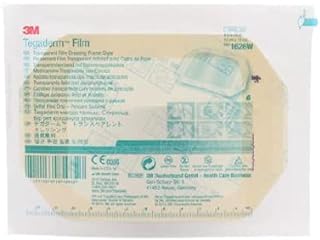
Tegaderm is a brand name for a type of transparent film dressing originally designed for medical wound care. Its adoption in the tattoo industry is a perfect example of cross-industry innovation. The product is a thin, flexible, polyurethane film coated with a hypoallergenic acrylic adhesive. When applied to a fresh tattoo, it creates a unique microenvironment. Unlike traditional methods that require the wound to scab and dry out, this tattoo healing film allows the tattoo to heal in a moist environment. This "moist wound healing" principle is clinically proven to accelerate cell regeneration, significantly reduce scabbing, and minimize the risk of infection by creating a barrier against bacteria, water, and friction.
The Critical Benefits of Using a Transparent Tattoo Bandage
The advantages of opting for a modern transparent tattoo bandage over old-school aftercare are substantial. Firstly, it provides unparalleled protection. The waterproof seal guards against contaminants in water during showers and shields the sensitive skin from rubbing against clothing. Secondly, it drastically simplifies aftercare for the first several days. There's no need for frequent washing and ointment application during the initial 24-72 hours, as the film retains the body's natural plasma and healing fluids. This leads to less color loss and a smoother healing process with markedly reduced itching and flaking. For artists and clients, the transparency allows for easy monitoring of the healing progress without needing to remove the dressing prematurely.
Step-by-Step: How to Apply and Remove Your Healing Film
Proper application is crucial for the tattoo initial healing film to work effectively. Start with a completely clean and dry tattoo, as per your artist's instructions. Cut a piece of film, such as our 6" x 2 Yard roll, ensuring it extends at least an inch beyond the tattoo's edges on all sides. Peel the backing slowly and apply the center of the film over the tattoo, smoothing it outwards to avoid wrinkles and bubbles. The adhesive should only touch healthy skin, not the open wound. This film can typically stay on for 24 to 72 hours, depending on fluid buildup. To remove it, the golden rule is to do so slowly under warm, running water. Gently stretch the film parallel to the skin to break the adhesive seal, which is far less traumatic than pulling it away perpendicularly.
Common Questions and Troubleshooting Your Aftercare
It's normal to see a pool of plasma, ink, and blood under the film; this is part of the healing process. However, if the fluid leaks out from the edges, it means the seal is broken, and the waterproof tattoo wrap should be removed, the area cleaned, and a new piece applied if still within the first day. Some redness around the edges is common, but increasing redness, heat, throbbing pain, or foul-smelling pus are signs of infection and require immediate medical attention. For those with sensitive skin, performing a patch test on a small area before full tattoo application can prevent adverse reactions to the adhesive.
Beyond the First Days: Long-Term Tattoo Aftercare
Once the initial adhesive tattoo supply film is removed, the aftercare journey isn't over. Gently wash the tattoo with fragrance-free antibacterial soap and pat it dry with a clean paper towel. At this stage, the tattoo will enter a dry healing phase. Apply a thin layer of a recommended aftercare ointment or fragrance-free moisturizer to keep the skin supple and prevent cracking. This phase involves protecting the tattoo from sun exposure with high-SPF sunscreen and avoiding soaking in pools, hot tubs, or baths. Consistent care for the following 2-3 weeks ensures the deeper layers of skin fully repair and lock in the ink's vibrancy.
Why Professional-Grade Supplies Make a Difference
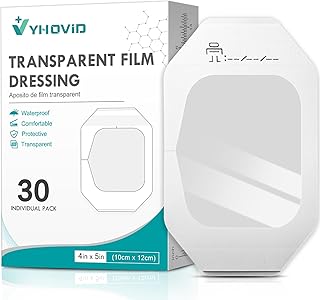
While generic waterproof bandages exist, products specifically designed as tattoo aftercare bandages offer distinct advantages. They are manufactured with the appropriate level of breathability (Moisture Vapor Transmission Rate) to facilitate healing without macerating the skin. The adhesives are formulated to be strong enough to stay on for days yet gentle enough for sensitive, traumatized skin. Using a dedicated product like a professional tattoo aftercare bandage roll ensures consistency, reliability, and optimal results, giving both the artist and client peace of mind during the vulnerable healing period.
Conclusion: Embracing Modern Tattoo Healing Technology
The adoption of Tegaderm and similar transparent film dressings represents a significant leap forward in tattoo aftercare science. By creating an optimal healing environment, these products protect the artist's work and enhance the client's comfort and outcome. Understanding how to properly use this skin repair wrap empowers you to take an active role in preserving your body art. Always follow your tattoo artist's specific aftercare instructions, as they know the details of your work and skin best. With the right knowledge and high-quality supplies, you can ensure your new tattoo heals beautifully, revealing crisp, vibrant artwork that lasts a lifetime.