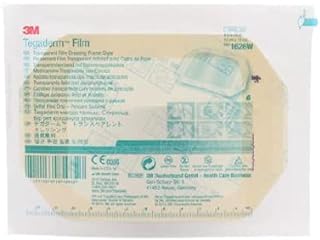
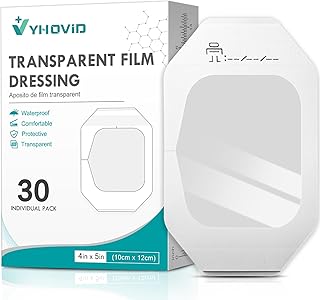
In the world of advanced wound management, few products have achieved the iconic status of Tegaderm transparent film dressings. As a healthcare professional with over a decade of experience in clinical settings, I've witnessed firsthand how the right dressing can dramatically influence patient comfort, compliance, and ultimately, healing outcomes. The Tegaderm 1624W, with its specific 2 3/8" x 2 3/4" size and convenient window frame box of 100, represents a workhorse in many medical kits. This article isn't just a product overview; it's a deep dive into the practical knowledge, application nuances, and common pitfalls associated with this specific transparent film dressing, drawing from real-world clinical experience.
Understanding the Tegaderm 1624W: More Than Just a Bandage
The Tegaderm 1624W Transparent Film Dressing is a sophisticated medical device designed for low-exudate (minimally weeping) wounds. Its core technology lies in a thin, polyurethane film that is semi-permeable. This means it allows oxygen and water vapor to pass through to the wound bed—crucial for healing—while acting as a formidable barrier against external bacteria, viruses, and water. The 'window frame' packaging is a significant ergonomic feature, allowing for easy, aseptic application without touching the adhesive side, a detail that matters immensely in maintaining a sterile field.
Ideal Use Cases for the 1624W Size
The 2 3/8" x 2 3/4" dimension is not arbitrary. In my practice, this size has proven exceptionally versatile for covering common procedural sites. It's ideal for securing IV catheters and central lines, protecting biopsy sites, covering healed surgical incisions that no longer require absorbency, and safeguarding superficial abrasions or burns. Its transparency is a game-changer for monitoring; you can assess the wound for signs of infection (increased redness, pus) or healing progress without ever removing the dressing, which reduces trauma and conserves supplies.
The Art of Proper Application: A Step-by-Step Guide
Even the best medical dressing can fail if applied incorrectly. Based on countless applications, here is the proven technique for the Tegaderm 1624W:
- Prepare the Skin: Clean and dry the area thoroughly. Any moisture, oil, or lotion will compromise adhesion. For hairy areas, clipping (not shaving) is recommended to prevent folliculitis.
- Open the Package: Use the notches on the window frame box to peel open the sterile pouch. The dressing is presented framed by paper tabs.
- Position and Anchor: Hold the dressing by the paper tabs. Peel away one side of the paper, position the exposed adhesive strip over the wound, and press it down firmly to create an 'anchor'.
- Smooth and Seal: While gently stretching the skin distal to the wound, smooth the dressing over the area, gradually removing the remaining paper backing. Avoid wrinkles. Apply firm, circular pressure over the entire dressing, especially the edges, to activate the adhesive and ensure a complete seal.
A common mistake is simply slapping it on without stretching the skin. Applying to a relaxed skin surface often leads to 'tenting' and leakage once the patient moves.
Common Pitfalls and How to Avoid Them
Through years of use and teaching, I've identified recurring errors that undermine the performance of Tegaderm dressings.
Pitfall 1: Using it on the Wrong Wound Type
Transparent films like the 1624W are not for wounds with moderate to heavy drainage. They have no absorbent core. Using them on a weeping wound creates a 'bath' of exudate under the film, macerating the surrounding skin and creating an infection risk. For draining wounds, an absorbent surgical dressing like a hydrocolloid or foam is necessary.
Pitfall 2: Improper Edge Management
The edges are the failure point. If they are not firmly sealed, channeling occurs—fluid and bacteria wick underneath. Ensure at least a 1-inch border of healthy skin around the wound. For high-mobility areas (elbows, knees), consider 'picture-framing' the Tegaderm with a strip of waterproof medical tape for added security.
Pitfall 3: Ignoring Skin Integrity
Applying adhesive dressing to fragile, paper-thin skin (common in the elderly) can cause tears upon removal. In these cases, using a skin barrier wipe before application or choosing a gentler removal silicone dressing might be better. Always remove by slowly lifting an edge and stretching the film parallel to the skin, not pulling upward.
Maximizing Benefits in Everyday and Specialized Care
The Tegaderm 1624W shines in its waterproof dressing capability. Patients can shower, which improves quality of life and hygiene. For parents, it's excellent for protecting childhood scrapes at the playground or pool. Beyond standard first-aid, it's invaluable for oncology patients with sensitive PICC lines, allowing for visual inspection without frequent, painful dressing changes.
Conclusion: A Staple Backed by Expertise
The Tegaderm 1624W Transparent Film Dressing is a testament to simple, effective design. Its value lies not just in the product itself, but in the knowledge of how to deploy it correctly. By understanding its ideal uses, mastering the application technique, and avoiding common errors, healthcare providers and informed caregivers can leverage this tool to significantly improve wound care outcomes. Whether you're stocking a clinic or a home first-aid kit, the 1624W in its 100-count box offers reliable, high-quality protection for a wide array of minor wounds and medical devices, making it a cornerstone of modern wound management.