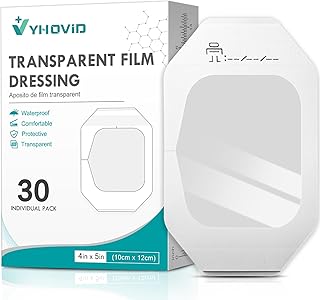
In the world of modern wound care, few products have achieved the level of trust and widespread adoption as Tegaderm transparent film dressings. These thin, adhesive sheets represent a significant advancement over traditional gauze and tape, offering a sterile, waterproof barrier that protects wounds while allowing for visual monitoring. For healthcare professionals, caregivers, and even individuals managing wounds at home, understanding the proper use and benefits of these dressings is crucial for promoting optimal healing. This comprehensive guide delves into the science, application, and practical considerations of using Tegaderm dressings, with a focus on popular formats like the Tegaderm Transparent Dressing with Label 4" x 4 3/4".
What is Tegaderm and How Does It Work?
Tegaderm is a brand of transparent film dressings manufactured by 3M. It is a polyurethane membrane that is semi-permeable, meaning it allows oxygen and water vapor to pass through from the wound bed to the environment, but blocks the entry of external liquids and bacteria. This creates a moist wound healing environment, which is clinically proven to accelerate the healing process compared to dry wound beds. The dressing is self-adhesive, eliminating the need for additional tape, and its transparency allows caregivers to inspect the wound site for signs of infection or healing progress without removing the dressing, reducing trauma and contamination risk.
Key Features and Benefits of Transparent Film Dressings
The popularity of transparent dressings like Tegaderm stems from a combination of user-friendly and clinically effective features. First and foremost is the moist wound healing environment. By retaining a small amount of moisture at the wound site, these dressings facilitate faster epithelial cell migration, reduce pain, and minimize scab formation. The waterproof and bacteria-proof barrier is another critical benefit, allowing patients to shower or bathe without compromising the dressing's integrity or the wound's sterility. Furthermore, the medical adhesive used is designed to be gentle on intact skin but secure enough to stay in place for several days, reducing the frequency of painful dressing changes. The built-in label on specific models, such as the 1626W, provides a convenient space for documenting the date and time of application, which is essential for clinical rotation schedules.
Ideal Applications and Wound Types
Understanding when to use a Tegaderm dressing is key to its success. It is not a one-size-fits-all solution but is exceptionally well-suited for specific scenarios. These dressings are ideal for:
- Superficial Wounds and Abrasions: Cuts, scrapes, and minor surgical incisions that are not heavily exuding.
- IV Sites and Catheter Securement: The transparent film allows for clear visualization of the insertion site for signs of phlebitis or infiltration.
- Protecting Skin from Friction: Often used to protect bony prominences or areas prone to blistering from medical devices.
- Second-Degree Burns (Partial Thickness): Can be used as a primary dressing to maintain a moist environment.
- Donor Sites and Skin Grafts: Provides protection while allowing monitoring.
It is generally not recommended for deep, heavily draining wounds, infected wounds, or third-degree burns, where specialized absorptive or antimicrobial dressings are required.
A Closer Look: The Tegaderm 1626W with Label
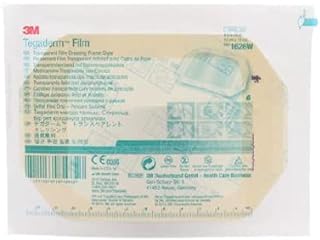
The Tegaderm Transparent Dressing with Label, size 4" x 4 3/4" (10cm x 12cm), product number 1626W, is a workhorse in many clinical settings. The inclusion of a dedicated labeling area directly on the dressing is a significant practical advantage. In busy hospitals, clinics, or home care environments, this feature ensures proper documentation is always attached to the wound site itself. This helps staff adhere to protocols for dressing change intervals, track healing progress, and maintain accurate patient records. The 25-per-box packaging is designed for efficiency and sterility, making it easy to store, access, and use while maintaining the integrity of each individual sterile dressing.
Step-by-Step Guide to Proper Application
Correct application is vital for the dressing to function as intended. First, ensure the wound area is clean, dry, and free of oils or lotions. Gently dry the surrounding skin. Select a dressing size that provides at least a 1- to 2-inch border of healthy skin around the wound. Peel the liner from the center of the dressing, avoiding touching the adhesive surface. Apply the center of the dressing directly over the wound, then smooth the film outward from the center to the edges, eliminating wrinkles and ensuring full adhesion. Use the label to note the date, time, and your initials. A properly applied waterproof bandage like Tegaderm should lie flat without tension or tenting.
Dressing Changes and Removal
Tegaderm dressings are designed for extended wear, typically 3 to 7 days, or until the seal is compromised or fluid accumulates under the film (strikethrough). To remove, gently lift one corner and slowly stretch the dressing parallel to the skin, rather than pulling it upward. This "low-angle stretch" technique helps minimize discomfort and trauma to the newly formed epithelial tissue. If adhesion is strong, using a skin adhesive remover can facilitate painless removal. Always inspect the wound and surrounding skin after removal for any signs of irritation, maceration, or infection.
Comparing Tegaderm to Other Wound Care Options
When compared to traditional gauze and tape, the advantages of a modern surgical dressing like Tegaderm are clear. Gauze can dry out the wound bed, stick to the tissue (causing pain upon removal), and requires more frequent changes. Hydrocolloid dressings offer more absorption but are opaque. Tegaderm's unique value proposition is its combination of transparency, moisture vapor transmission, and waterproof security. It bridges the gap between passive coverage and active wound management, making it a versatile first-line option for a wide range of low-exudate wounds.
Best Practices and Pro Tips for Optimal Use
To get the most out of your wound dressing, consider these expert tips. For areas with high mobility (like joints), consider using a frame-style Tegaderm or applying a securement dressing over the edges. If applying over a potentially high-exudate wound, you can first place a non-adherent contact layer (like a silicone mesh) directly on the wound before covering it with the transparent film. Always ensure the skin is completely dry; moisture under the adhesive will lead to premature lifting. For patients with sensitive skin, performing a patch test on a small area can help assess tolerance to the adhesive.
Conclusion: Why Tegaderm Remains a Gold Standard
For decades, Tegaderm transparent film dressings have set the standard for simple, effective, and patient-friendly wound coverage. Their ability to promote moist wound healing, provide a reliable bacterial and fluid barrier, and allow for continuous visual assessment makes them an indispensable tool in any wound care arsenal. Whether you are stocking a hospital ward, a home health kit, or a first-aid cabinet, understanding and utilizing products like the Tegaderm 1626W can lead to better patient outcomes, increased comfort, and more efficient care. By following proper application and removal techniques, you can harness the full potential of this advanced transparent dressing technology.