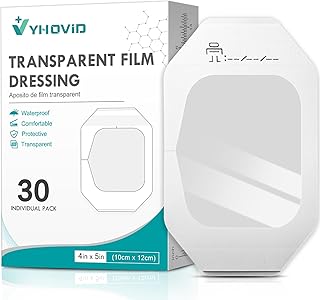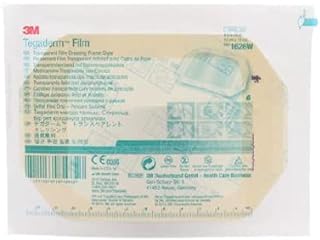
In the world of advanced wound care, few products have achieved the recognition and trust of medical professionals and patients alike as Tegaderm. This transparent film dressing, developed by 3M, represents a significant leap forward in protecting wounds while allowing for monitoring and promoting a moist healing environment. Whether you're a healthcare provider managing post-operative sites, a caregiver for a loved one, or someone dealing with chronic wounds, understanding the capabilities of Tegaderm is essential for optimal care.
The core principle behind Tegaderm dressings is the concept of moist wound healing. Decades of clinical research have proven that wounds heal faster and with less scarring in a controlled moist environment compared to dry, exposed conditions. Tegaderm creates this ideal microclimate. Its ultra-thin, transparent polyurethane film is semi-permeable, allowing oxygen and water vapor to pass through while acting as a formidable barrier against bacteria, viruses, and external contaminants. This dual action—facilitating healing and preventing infection—is what makes it a cornerstone product in hospitals, clinics, and home care settings worldwide.
Key Benefits and Applications of Tegaderm Dressings
The versatility of Tegaderm is one of its greatest strengths. It is not a one-trick solution but a platform technology adapted for numerous clinical and personal care scenarios. Its primary benefit is visibility; unlike opaque gauze dressings, you can inspect the wound site for signs of infection, healing progress, or exudate (fluid) buildup without removing the dressing. This reduces unnecessary disturbance to the healing wound and saves on supply costs.
Common applications include:
- Securing IV Catheters and Central Lines: Tegaderm is the gold standard for securing peripheral IVs, PICC lines, and central venous catheters. It holds the device firmly in place, protects the insertion site from infection, and allows for clear visualization.
- Post-Operative Incision Care: After surgeries, clean, closed incisions benefit immensely from a Tegaderm dressing. It protects the suture line, minimizes scarring, and is often left in place for several days, reducing the frequency of painful dressing changes.
- Protecting Minor Cuts, Abrasions, and Burns: For superficial wounds, it acts as a "second skin," keeping the area clean and hydrated. Its waterproof nature allows patients to shower normally.
- Covering and Securing Epidural Sites: In pain management and anesthesia, it provides a secure, sterile cover.
- Protecting Skin from Friction: It can be used prophylactically on bony prominences (heels, elbows) to prevent bedsores or on areas prone to chafing.
How to Apply and Remove Tegaderm Correctly
Proper application is critical to maximizing the benefits of a Tegaderm dressing. First, ensure the skin around the wound is clean, dry, and free of oils, lotions, or powders. Any residue will compromise the adhesive. Peel the liner from the center of the dressing, avoiding touching the adhesive surface. Without stretching the film, place the center directly over the wound or device. Then, gently smooth the dressing outward from the center, pressing down the adhesive edges to ensure a complete seal. There should be no wrinkles or tenting, as these can allow pathogens to enter or cause the dressing to peel prematurely.
Removal is equally important to avoid skin trauma or damaging newly formed tissue. Never rip it off quickly. The proper technique is to slowly lift one corner of the dressing, then gently stretch the film parallel to the skin, pushing the skin away from the adhesive as you go. This "low-angle stretch" technique minimizes discomfort and protects the fragile epidermis. For stubborn adhesive, a medical adhesive remover wipe can be used to dissolve the bond gently.
Tegaderm vs. Traditional Dressings: A Clear Advantage
When compared to traditional gauze and tape, the advantages of the Tegaderm system are numerous. Gauze dressings are absorptive but can dry out a wound, leading to painful dressing changes where newly formed tissue is torn away—a phenomenon known as tissue trauma. They are also opaque, requiring full removal for assessment, which disrupts the healing environment and increases infection risk with each change.
Tegaderm, in contrast, can often remain in place for 3 to 7 days, depending on the wound's exudate level. This extended wear time reduces supply usage, nursing time, and patient discomfort. The cost-benefit analysis often favors transparent film dressings when total care costs are considered, not just the unit price of the dressing. Furthermore, its waterproof quality significantly improves patient quality of life, allowing for normal hygiene and, in some cases, even light swimming.
Choosing the Right Tegaderm Product
The Tegaderm brand encompasses a family of products designed for specific needs. Understanding the differences ensures you select the optimal dressing.
- Tegaderm HP (High Performance): Features a stronger adhesive for challenging sites like joints or oily skin, and is highly conformable.
- Tegaderm +Pad: Integrates a non-adherent absorbent pad in the center for wounds with light to moderate exudate, combining the benefits of a film and an absorbent layer.
- Tegaderm CHG: Includes a Chlorhexidine Gluconate gel pad, providing sustained antimicrobial activity directly at the IV site to reduce the risk of catheter-related bloodstream infections (CRBSI). This is a critical tool in infection control protocols.
- Tegaderm Silicone: Uses a gentle silicone adhesive designed for fragile, sensitive, or pediatric skin, minimizing the risk of medical adhesive-related skin injuries (MARSI).
Expert Tips for Troubleshooting Common Issues
Even with a superior product like Tegaderm, users may encounter issues. Here’s how to address them:
Edge Lifting or Leaking: This is usually caused by improper application on moist or oily skin, or application over a joint without adequate slack. Ensure skin is perfectly dry. For high-mobility areas, apply the dressing with the joint in a flexed position, so it stretches comfortably during movement. Using a skin prep wipe (like 3M™ Cavilon™ No Sting Barrier Film) can enhance adhesion on difficult skin.
Fluid Accumulation (Strikethrough): If the wound produces more exudate than the dressing can handle, fluid will pool under the film. For wounds with moderate to heavy drainage, a Tegaderm +Pad or a different absorbent dressing (like a hydrocolloid or foam) is more appropriate. Monitor strikethrough closely, as it breaks the bacterial barrier.
Skin Irritation: If redness or itching occurs under the adhesive border, it could be due to frequent removal/application or sensitive skin. Consider a Tegaderm Silicone variant or practice careful removal technique. Rotate dressing sites if possible.
The Future of Film Dressings and Tegaderm's Role
The evolution of wound care is moving towards smarter, more interactive dressings. While basic Tegaderm film remains a workhorse, innovation continues. We see trends integrating antimicrobial technologies beyond CHG, such as silver or honey. There is also research into "smart" films that can change color in response to pH shifts, providing an early visual warning of infection. Furthermore, the push for sustainability is leading to the exploration of bio-based materials for film dressings.
Throughout these advancements, the fundamental design principles established by Tegaderm—transparency, reliable adhesion, breathability, and bacterial protection—will remain paramount. It has set the benchmark that all subsequent film dressings are measured against. For anyone building a comprehensive first-aid kit, managing a specific medical condition, or responsible for clinical supply procurement, understanding and utilizing Tegaderm products is not just a choice; it's a best practice in modern wound management.
In conclusion, Tegaderm transparent film dressings are more than just a piece of plastic. They are a sophisticated medical device engineered to work in harmony with the body's natural healing processes. By creating a protective, moist environment and allowing for non-invasive monitoring, they reduce complications, improve patient outcomes, and enhance the overall care experience. Whether for securing a life-saving IV or healing a simple scrape, its role in effective healthcare is both foundational and transformative.