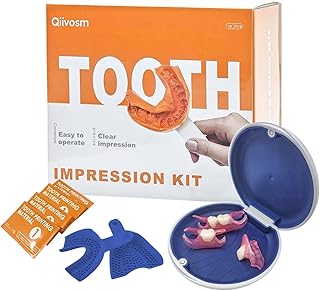
Missing one or more teeth can significantly impact your confidence, speech, and ability to eat comfortably. For millions, partial dentures offer a reliable and popular solution to restore both function and aesthetics. Traditionally, these are custom-made by dental professionals, but the rise of at-home solutions has introduced new options for temporary fixes. This comprehensive guide will explore the full spectrum of partial dentures, helping you understand when a professional fitting is essential and when a temporary, DIY approach might be suitable for your needs.
Partial dentures are removable dental appliances designed to replace one or several missing teeth. They consist of replacement teeth attached to a gum-colored plastic base, often connected by a metal framework that clasps onto your existing natural teeth for stability. The primary goal is to prevent the remaining teeth from shifting, restore chewing function, and improve your smile's appearance. For a deep dive into how they work and their long-term benefits, our complete guide to partial dentures is an excellent resource.
Traditional vs. Modern: The Evolution of Tooth Replacement
The field of dentistry has seen remarkable advancements. While traditional, dentist-fabricated partials remain the gold standard for permanent or long-term wear, new categories like temporary dentures and DIY dentures have emerged. These are typically designed for short-term use, such as while waiting for a permanent solution, for special occasions, or as an interim measure. It's crucial to understand the distinction: professional dentures are medical devices crafted from precise impressions of your mouth, whereas most at-home kits offer a moldable, generic fit.
Understanding Different Types of Partial Dentures
Not all partials are created equal. The right type for you depends on the location and number of missing teeth, your oral health, and your budget.
- Acrylic Partial Dentures (Flippers): Often used as a temporary solution. They have an acrylic base and plastic teeth and are relatively inexpensive.
- Cast Metal Partial Dentures: These are more durable and offer a precise, comfortable fit due to a lightweight metal framework. They are a common choice for long-term wear.
- Flexible Partial Dentures: Made from a flexible nylon material, these are metal-free and can be more comfortable for some users.
- At-Home Temporary Solutions: This category includes products like silicone dentures or moldable kits. For instance, a moldable false teeth set allows users to create a temporary veneer or denture at home. These are not meant to replace professional dental work but can serve as a quick smile fix.
The Professional Process: Getting Fitted for Traditional Partials
Obtaining traditional partial dentures is a multi-step process that ensures a perfect fit and optimal oral health. It typically involves:
- Consultation and Examination: Your dentist assesses your oral health, takes X-rays, and discusses your goals.
- Impressions: Precise molds (impressions) of your upper and lower jaws are taken.
- Bite Registration: This records how your teeth fit together.
- Wax Try-In: A wax model lets you see the shape and color before the final product is made.
- Final Fitting and Adjustments: The dentist places the finished partial and makes any necessary adjustments for comfort.
This process, while more time-consuming and costly than DIY options, addresses underlying health issues, ensures proper bite alignment, and prevents damage to adjacent teeth—risks often associated with ill-fitting temporary devices.
The Rise of At-Home and Temporary Solutions
In recent years, the market for at-home dentures and temporary kits has grown. These products cater to individuals who need an immediate, non-permanent solution. A popular example is a moldable, silicone-based denture set. Users soften the material in hot water, mold it to their gum line, and trim it to fit. It's marketed as a solution you can complete within minutes to fix your smile for a photo, a job interview, or a social event.
Pros and Cons of DIY and Temporary Kits
Potential Advantages:
- Immediate Results: Provides a quick cosmetic improvement.
- Cost-Effective for Short-Term Use: Significantly cheaper than a dental visit for a temporary need.
- Accessibility: Available without a dental appointment.
Significant Limitations and Risks:
- Poor Fit and Discomfort: Generic molds cannot match the precision of a dental impression, leading to slippage, sore spots, and difficulty speaking or eating.
- Oral Health Risks: Trapped food particles can cause gum disease and decay in adjacent teeth. Improper fit can put pressure on natural teeth, potentially loosening them.
- Material Safety: Not all kits use dental-grade, biocompatible materials.
- No Address of Underlying Issues: They are purely cosmetic and do not treat the cause of tooth loss (e.g., decay, gum disease).
It is vital to view these products as a very short-term cosmetic cover, not a replacement for professional dental care. For those considering this route, choosing a kit made from safe, flexible silicone is crucial, as rigid materials can cause more harm.
Making the Right Choice for Your Smile
How do you decide between a professional partial denture and a temporary DIY kit? Ask yourself these questions:
- Duration: Do you need a solution for years or just for a weekend event?
- Underlying Health: Have you seen a dentist to address the reason for your missing teeth?
- Function vs. Cosmetics: Do you need to eat and speak comfortably, or is appearance the only concern?
- Budget: Can you invest in a long-term health solution, or is your budget strictly for a temporary fix?
For any long-term or permanent need, a consultation with a dentist is non-negotiable. They can provide options you may not have considered, such as dental implants or bridges, which might offer better long-term outcomes. A temporary kit might be a reasonable stopgap while you save for or await a professional procedure.
Care and Maintenance: Universal Principles
Whether you have a traditional cast metal partial or a temporary teeth veneer kit, proper care is essential.
- Cleaning: Remove and clean your partial daily. Use a soft brush and a non-abrasive cleaner (specific denture cleaner or mild soap). Never use regular toothpaste on acrylic or silicone, as it can be too abrasive.
- Handling: Always clean over a soft towel or a basin of water to prevent damage if dropped.
- Storage: When not worn, keep traditional partials moist in water or a denture-soaking solution to prevent warping. Follow the specific storage instructions for temporary kits.
- Oral Hygiene: Continue to brush your natural teeth, gums, and tongue thoroughly twice a day.
Conclusion: A Balanced Approach to Dental Health
Partial dentures remain a vital tool in restorative dentistry. The innovation of at-home, moldable kits has democratized access to a quick smile makeover, filling a niche for temporary, situational needs. Products like a silicone dentures set offer a novel, if limited, solution. However, they underscore a critical point: there is no true substitute for professional dental care when it comes to your long-term oral health and function.
Your smile is worth investing in. Start by consulting with a dental professional to understand the health of your mouth and all your treatment options. If a temporary cosmetic boost is what you need for a specific moment, choose a reputable product and use it with caution and realistic expectations. By understanding the full landscape—from permanent partial dentures to DIY temporary fixes—you can make an informed, confident decision to reclaim your smile and your oral health.