Missing one or several teeth can impact far more than just your smile's appearance. It can affect your ability to chew comfortably, speak clearly, and even the long-term health of your remaining teeth and jawbone. For millions of people, partial dentures offer a practical, effective, and often transformative solution. Unlike full dentures that replace an entire arch, partials are designed to fill specific gaps, blending seamlessly with your natural teeth. This comprehensive guide delves into everything you need to know about these dental appliances, with a special focus on the advantages of modern, personalized options.
The journey to replacing missing teeth begins with understanding your options. Partial dentures are removable prosthetic devices that consist of replacement teeth attached to a gum-colored plastic base, sometimes connected by a metal framework. They are custom-made to fit the unique contours of your mouth, anchoring onto your existing teeth with precision clasps or other attachments. The primary goal is not just aesthetic restoration but functional rehabilitation, allowing you to eat, speak, and smile with renewed confidence.
Why Choose Partial Dentures? Key Benefits Explored
Opting for a partial denture is a significant decision, and understanding the benefits can help you make an informed choice. First and foremost, they restore your chewing function, enabling you to enjoy a wider variety of foods and maintain better nutrition. They also prevent your remaining natural teeth from shifting into the empty spaces, which can lead to bite problems, jaw pain, and further tooth loss. Aesthetically, a well-crafted partial denture fills out your facial profile, preventing the sunken look that often accompanies tooth loss, and restores a natural, complete smile.
Types of Partial Dentures: From Traditional to Modern Solutions
Not all partials are created equal. The most common type is the cast metal partial denture, known for its durability and precise fit due to a lightweight metal framework. Acrylic partials, or "flippers," are often used as a temporary or interim solution. However, for those seeking a balance of aesthetics, comfort, and customization, modern personalized dentures represent a significant advancement. These are crafted with meticulous attention to detail, often using high-quality materials and digital impressions to ensure a fit and look that feels uniquely yours, moving beyond the one-size-fits-all approach of the past.
The Importance of a Custom Fit for Comfort and Function
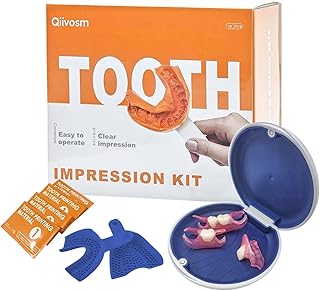
The term "custom" is paramount when discussing effective tooth replacement. A denture that is not tailored to your mouth can cause sore spots, difficulty speaking, and an unnatural appearance. Modern custom partial dentures are designed using precise molds or digital scans of your mouth. This process ensures the appliance conforms perfectly to your gums and aligns correctly with your bite. For instance, a product like the Personalized Removable Denture Set for 1–6 Teeth emphasizes this personalized approach, aiming for a natural look and comfortable fit that generic options simply cannot match. The inclusion of a storage case also highlights the importance of proper care for longevity.
Caring for Your Partial Dentures: A Daily Routine
Proper maintenance is crucial for the hygiene, appearance, and lifespan of your removable dentures. They should be removed and cleaned daily with a soft-bristled brush and a non-abrasive denture cleanser—never regular toothpaste, which can be too harsh. It's essential to handle them over a soft towel or a basin of water to prevent damage if dropped. When not in use, they should be stored in a denture-cleaning solution or plain water to prevent them from drying out and warping. Regular check-ups with your dentist are also vital to ensure the fit remains optimal and to assess the health of your gums and remaining teeth.
Addressing Common Concerns About Partial Dentures
It's normal to have questions and concerns before getting a partial denture. Many worry about the adjustment period, which can involve a slight lisp or minor discomfort as your mouth and tongue adapt. This phase is temporary. Others are concerned about aesthetics, fearing the denture will look fake. Today's materials and customization techniques allow for remarkable realism in color, shape, and translucency. Security is another common concern; while removable dentures are not permanently fixed, a well-fitted custom partial should feel stable and secure during normal activities like eating and talking.
Is a Personalized Partial Denture Right for You?
Determining if a personalized removable denture set is your best option depends on several factors: the number and location of your missing teeth, the health of your remaining teeth and gums, your budget, and your personal preferences. They are an excellent non-invasive and reversible solution compared to dental bridges or implants. They are particularly suitable for individuals missing between one and six consecutive teeth. Consulting with a dental professional is the essential first step to evaluate your specific situation and discuss whether a high-quality, custom denture can meet your needs for function, comfort, and aesthetics.
Looking Ahead: The Future of Tooth Replacement
The field of prosthetic dentistry is continually evolving. While traditional partial dentures remain a cornerstone of treatment, advancements in digital dentistry, 3D printing, and material science are making the process faster, more accurate, and more comfortable for patients. The focus is increasingly on creating solutions that are not only functional but also indistinguishable from natural teeth and seamlessly integrated into the patient's lifestyle. Whether you are considering your first denture set or seeking an upgrade, today's options offer a level of personalization and quality that can truly restore your smile and your quality of life.
In conclusion, partial dentures are a time-tested and effective solution for tooth loss. By choosing a meticulously crafted, personalized option, you invest in more than just a dental appliance; you invest in your comfort, confidence, and overall oral health. Taking the time to understand the types, benefits, and care requirements will empower you to make the best decision for your smile's future.