Missing one or several teeth can impact more than just your smile; it can affect your confidence, speech, and ability to enjoy your favorite foods. For millions, partial dentures offer a practical and effective solution. These removable appliances are designed to replace missing teeth, restoring both function and aesthetics. Whether you're considering a temporary denture as a short-term fix or a more permanent, customized solution, understanding your options is the first step toward reclaiming your smile.
This comprehensive guide will delve into the different types of partial dentures, their significant benefits, and the crucial factors to consider when choosing the right fit for your lifestyle. We'll also explore modern advancements that make today's options more comfortable and easy to use than ever before.
What Are Partial Dentures?
Partial dentures are prosthetic devices used when one or more natural teeth remain in the upper or lower jaw. They consist of replacement teeth attached to a gum-colored plastic base, which is often connected by a metal framework that holds the denture in place in the mouth. Partials are not fixed; they are removable dentures, allowing for easy cleaning and maintenance. Their primary purpose is to fill the gaps created by missing teeth, preventing the remaining teeth from shifting, which can lead to bite problems and jaw pain.
Types of Partial Dentures
Not all partials are created equal. The right type for you depends on the location of your missing teeth, your oral health, budget, and personal preferences. Here’s a breakdown of the most common types:
1. Removable Partial Dentures (RPDs)
These are the most traditional and widely used type. RPDs have a metal clasp or precision attachment that hooks onto your adjacent natural teeth for stability. The framework is typically made of cobalt-chromium, and the artificial teeth are made of acrylic or porcelain. They are durable, cost-effective, and a non-invasive option. However, some users find the metal clasps slightly visible, and there can be an adjustment period for comfort.
2. Flexible Partial Dentures
A more modern alternative, flexible partials are made from a thin, lightweight nylon material that is hypoallergenic and gum-colored. They lack metal clasps, using gentle, translucent extensions that grip the natural teeth. This makes them less noticeable and often more comfortable for many wearers. They are a popular choice for those with metal allergies or who desire a more aesthetic solution.
3. Temporary or Immediate Partial Dentures
As the name suggests, temporary dentures are used as a short-term solution. They are often placed immediately after tooth extraction, allowing you to have teeth during the healing process before a permanent denture is made. They also serve as an excellent trial to get used to wearing a denture. Products designed for specific scenarios, like a single-tooth denture, can fall into this category, offering a quick and easy-to-use fix while considering long-term plans.
4. Custom and Personalized Partial Dentures
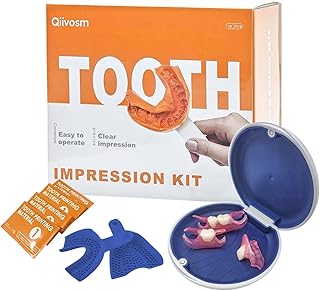
This is where modern dentistry shines. Unlike one-size-fits-most solutions, custom partial dentures are crafted from precise impressions of your mouth. This ensures a superior fit, enhanced comfort, and a natural appearance that matches your existing teeth's color, shape, and size. For instance, a solution like personalized replacement teeth focuses on creating an adjustable & comfortable fit tailored to the individual, which can significantly improve the wearing experience.
Key Benefits of Choosing Partial Dentures
Opting for partial dentures comes with a host of advantages that extend beyond simply filling a gap.
- Restored Functionality: They allow you to chew food properly, improving digestion and nutrition.
- Preserved Facial Structure: Missing teeth can cause facial muscles to sag, making you look older. Partials support your lips and cheeks, maintaining your natural facial contour.
- Prevention of Tooth Drift: By filling the space, they prevent adjacent teeth from tilting or shifting into the gap, which protects your overall bite alignment.
- Improved Speech: Teeth play a key role in forming sounds. Replacing missing teeth can help eliminate slurring or whistling sounds caused by gaps.
- Boosted Confidence: A complete smile can dramatically improve self-esteem and social interactions.
- Cost-Effective Solution: Compared to dental implants or fixed bridges, partial dentures are often a more affordable tooth replacement option.
What to Look For: Comfort and Ease of Use
Modern partial dentures have evolved to prioritize wearer comfort. When evaluating options, consider features that contribute to a seamless experience:
- Adjustability: Look for adjustable dentures that allow for minor tweaks to the fit. This is crucial as your gums and bone structure can change slightly over time.
- Lightweight Materials: Materials like flexible Valplast or thin acrylic reduce bulkiness and feel more natural in the mouth.
- Precision Fit: A denture that doesn't rock or slip prevents sore spots and gum irritation. A custom-made product from a detailed impression is key here.
- Easy Maintenance: Removable designs should be simple to take out, clean, and reinsert. Clear care instructions are a sign of a user-friendly product.
For those seeking a straightforward option, a product emphasizing an comfortable and easy-to-use design, such as a personalized single-tooth replacement, can be an ideal starting point to experience the benefits of a partial denture without complexity.
Caring for Your Partial Dentures
Proper care is essential for the longevity of your dentures and the health of your remaining teeth and gums.
- Daily Cleaning: Remove and rinse your partial after eating. Brush it daily with a soft denture brush and non-abrasive cleaner to remove food and plaque.
- Handle with Care: Always clean your partial over a folded towel or a basin of water to prevent damage if dropped.
- Soak Overnight: Most partials need to stay moist to retain their shape. Soak them in a mild denture-cleaning solution or water overnight.
- Oral Hygiene: Brush your natural teeth, gums, and tongue twice a day before inserting your clean partial.
- Regular Check-ups: Visit your dentist regularly to ensure the fit is still good and to get professional cleanings.
Making the Right Choice for You
Choosing the right partial denture is a personal decision. Start by consulting with a dental professional who can assess your oral health. Discuss your lifestyle, budget, and aesthetic goals. Are you looking for a long-term solution or a temporary denture? Is discretion a top priority, pointing you toward flexible or custom options? For many, the ideal solution balances professional customization with features designed for day-to-day comfort.
Exploring well-designed options that focus on personalization and comfort can be incredibly helpful. A product that offers personalized replacement teeth with an emphasis on being adjustable and comfortable represents the modern approach to tooth replacement, prioritizing the wearer's experience above all.
Conclusion
Partial dentures remain a vital, accessible, and effective solution for tooth loss. From traditional removable designs to modern, flexible, and fully customized options, there is a type to suit nearly every need and preference. The key is to seek out solutions that offer a precise fit, comfort, and ease of use. By understanding the different types, benefits, and care requirements, you can make an informed decision in partnership with your dental care provider. Whether you opt for a temporary measure or a long-term, personalized appliance, the right partial denture can restore not just your smile, but your quality of life.