Missing teeth can impact more than just your smile; they affect your ability to chew, speak clearly, and maintain proper oral health. If you're facing the challenge of replacing one or several missing teeth, partial dentures offer a practical and effective solution. This comprehensive guide will walk you through everything you need to know about these removable dental appliances, from understanding the different types to mastering their care, helping you make an informed decision for your oral health.
What Are Partial Dentures?
Partial dentures are custom-made, removable dental prostheses designed to replace one or more missing teeth. Unlike a full denture, which replaces an entire arch of teeth, a partial denture fills in the gaps left by missing teeth while clasping onto your remaining natural teeth for stability. This not only restores the aesthetics of your smile but also prevents your remaining teeth from shifting into the empty spaces, which can lead to bite problems and further dental issues. They are a cornerstone of restorative dentistry, bridging the gap between simple solutions and more permanent fixtures like implants.
Types of Partial Dentures: Finding Your Fit
Not all partial dentures are created equal. The right type for you depends on the location of your missing teeth, your budget, and your personal comfort preferences. Broadly, they fall into two main categories: acrylic and cast metal.
Acrylic (Flipper) Partials
Often called "flippers," these are typically made from pink acrylic gum material with prosthetic teeth attached. They are held in place by wire clasps that hook onto adjacent teeth. Acrylic partials are usually considered a temporary or interim solution. They are less expensive and quicker to make, which makes them ideal for immediate use after tooth extraction while waiting for a permanent restoration or for patients undergoing implant procedures. However, they are bulkier, less durable, and can be more challenging to get used to compared to their metal counterparts.
Cast Metal Partials
This type features a lightweight metal framework (often cobalt-chromium) that is precisely cast to fit the unique contours of your mouth. The framework is much thinner and stronger than acrylic, making the denture less bulky and more comfortable. Artificial teeth and gum-colored acrylic are attached to this metal base. The metal clasps are designed to grip the natural teeth securely and discreetly. Cast metal partials are more durable, offer better stability and chewing function, and are considered a long-term solution. They represent a significant investment in both quality and comfort.
Benefits of Choosing Partial Dentures
Opting for a partial denture comes with a host of advantages that extend far beyond a cosmetically pleasing smile.
- Restored Function: Regain the ability to chew a wider variety of foods properly, aiding in digestion and nutrition.
- Improved Speech: Missing teeth can alter speech. Partials help fill gaps that may cause slurring or whistling sounds.
- Prevent Tooth Shifting: By filling empty spaces, they stop adjacent teeth from tilting or drifting, which can cause misalignment and jaw problems.
- Affordability: Compared to dental bridges or implants, partial dentures are a more cost-effective tooth replacement option.
- Non-Invasive: The process does not require surgery or altering healthy tooth structure, as is sometimes needed for bridges.
- Ease of Repair: If damaged or if a tooth needs to be added later, partials are relatively easy to adjust or repair.
Introducing Personalized Comfort: The Custom Removable Denture Set
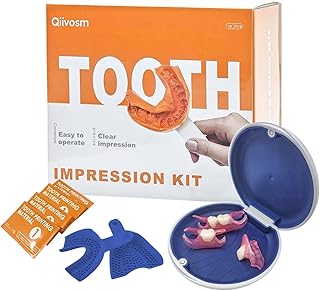
For those seeking a balance of personalization, comfort, and convenience, modern solutions like a Custom Removable Dentures – Personalized Partial Denture Set have become increasingly popular. This type of custom dentures is designed for individuals needing to replace one to multiple teeth. The key advantage lies in the "personalized" aspect—these are not one-size-fits-all devices. They are crafted based on individual impressions to ensure a snug, natural fit that minimizes irritation and maximizes comfort during wear.
Such a set often includes thoughtful features like a dedicated storage case, which is crucial for maintaining hygiene and protecting your investment when the denture is not in use. Proper storage in a moist environment prevents the acrylic from drying out and warping. The focus on "comfortable wear" addresses common complaints about dentures, such as gum soreness and difficulty speaking, by using high-quality materials and precise engineering. For someone missing, for example, three consecutive teeth, this kind of multi-tooth denture provides a cohesive and aesthetic replacement that blends seamlessly with your natural smile.
The Process: Getting Your Partial Dentures
Acquiring a well-fitting partial denture is a multi-step process that requires collaboration between you and your dental professional.
- Consultation and Examination: Your dentist will examine your mouth, take X-rays, and discuss your goals and options.
- Impressions: Precise molds (impressions) of your upper and lower teeth and gums are taken. This is the most critical step for ensuring a custom fit.
- Bite Registration: The dentist records how your teeth come together to ensure the new teeth align correctly with your bite.
- Try-In: A wax or plastic model of the denture is created for you to try. The fit, color, and shape of the teeth are assessed and adjusted.
- Final Fitting: Once adjustments are made, the final denture is processed and delivered. Your dentist will make any final minor adjustments for optimal comfort.
Caring for Your Partial Dentures and Oral Health
Proper care is essential for the longevity of your denture and the health of your remaining teeth and gums.
- Daily Cleaning: Remove and rinse your partial after eating. Brush it daily with a soft-bristled brush and a non-abrasive denture cleaner—never use regular toothpaste, which can be too abrasive. Don't forget to brush your natural teeth, gums, and tongue.
- Overnight Care: It's generally recommended to remove your partial at night to give your gum tissues a rest. Always store it in water or a mild denture-soaking solution inside its denture storage case to prevent it from drying out and losing its shape.
- Handle with Care: Always clean your denture over a soft towel or a basin of water to cushion it if dropped.
- Professional Check-ups: Visit your dentist regularly. They will check the fit of your partial, the health of your mouth, and professionally clean the appliance.
- What to Avoid: Avoid hot water, which can warp the denture. Keep it away from bleach-based cleaners, which can weaken the metal and discolor the acrylic.
Adjusting to Life with Your New Partial Denture
An adjustment period is normal. Initially, you may experience increased saliva flow, minor sore spots, or difficulty speaking and eating. Start by eating soft foods cut into small pieces. Practice speaking by reading aloud. Any persistent soreness should be addressed by your dentist for an adjustment—never try to adjust the metal clasps yourself. With time and patience, wearing your partial will become second nature.
Partial Dentures vs. Other Tooth Replacement Options
It's helpful to understand how partials compare to alternatives like dental bridges and implants.
- Dental Bridges: A bridge is a fixed (non-removable) prosthesis that is cemented onto the teeth adjacent to the gap. It requires preparing (filing down) these healthy abutment teeth. Bridges are very stable and feel like natural teeth but are more expensive and invasive than partials.
- Dental Implants: Implants are titanium posts surgically placed in the jawbone to act as artificial tooth roots. They can support single crowns, bridges, or even dentures. Implants are the most durable and bone-preserving option but involve surgery, a longer treatment time, and a significantly higher cost.
For many, the removable dentures option, particularly a well-made custom partial, offers an excellent balance of effectiveness, affordability, and non-invasiveness.
When Are Partial Dentures the Right Choice?
Partials are an ideal solution in several scenarios: when you have several missing teeth scattered across an arch; when the supporting teeth are not strong enough for a bridge; when cost is a primary concern; when you need a temporary solution before a more permanent one; or when you are not a candidate for dental implant surgery due to health or bone density reasons. They are a versatile tool in the tooth replacement arsenal.
Conclusion: Reclaim Your Smile with Confidence
Partial dentures remain a time-tested, reliable, and accessible method for restoring the function and beauty of your smile after tooth loss. Whether you opt for a traditional cast metal framework or a modern personalized set designed for comfort, the key to success lies in a custom fit, proper care, and realistic expectations. By understanding your options and committing to good oral hygiene, you can enjoy the benefits of a complete smile for years to come. If you're considering this path, consult with a dental professional to explore how a partial denture can be tailored to meet your specific needs and help you speak, eat, and smile with renewed confidence.