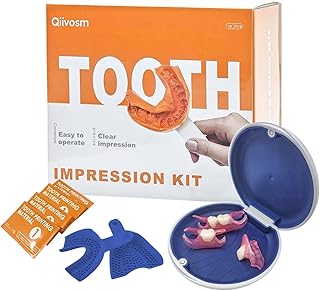
Missing one or several teeth can impact more than just your smile; it affects your confidence, ability to chew, and even the health of your remaining teeth. If you're exploring solutions, partial dentures are a common, effective, and non-invasive option. This comprehensive guide will walk you through everything you need to know, from the different types available to daily care and long-term maintenance, helping you make an informed decision for your oral health.
What Are Partial Dentures?
Partial dentures are removable dental appliances that replace one or more missing teeth. They consist of replacement teeth attached to a gum-colored plastic base, which is often connected by a metal framework that holds the denture in place in your mouth. Unlike a full denture, a partial is designed to fill the gaps left by missing teeth while preventing your remaining natural teeth from shifting position. This is crucial for maintaining proper bite alignment and jaw health.
Types of Partial Dentures: Which is Right for You?
Not all partials are created equal. The right choice depends on your specific dental situation, budget, and comfort preferences. Here are the main types:
1. Cast Metal Partial Dentures
Often considered the gold standard for durability and fit, these feature a lightweight metal framework (usually cobalt-chromium) that rests on your teeth and gums. The framework includes precise clasps that grip onto your natural teeth discreetly. They are strong, thin, and very stable, making them an excellent long-term solution. However, they are typically the most expensive type and the metal clasps may be visible.
2. Acrylic (Flipper) Partial Dentures
This is a temporary or interim solution. Made entirely from pink acrylic gum material with plastic teeth, "flippers" are affordable and can be made quickly. They are useful immediately after a tooth extraction or while waiting for a permanent restoration. Their downside is that they are bulkier, less durable, and can put more pressure on the gums.
3. Flexible Partial Dentures (Valplast/Flexite)
A popular aesthetic alternative, these are made from a flexible nylon-based material. They are translucent and gum-colored, blending seamlessly with your natural tissues without the need for visible metal clasps. Many patients find them more comfortable initially. However, they can be less adjustable over time and may not be suitable for all bite situations.
Signs You Might Need Partial Dentures
How do you know if partial dentures are the right path for you? Consider these indicators:
- Multiple Missing Teeth: You have several gaps, but still retain a number of healthy natural teeth.
- Shifting Teeth: You've noticed your remaining teeth beginning to drift into the empty spaces, causing crowding or misalignment.
- Difficulty Chewing: Avoiding certain foods because it's hard or uncomfortable to chew properly.
- Bone Loss Concerns: You want to prevent the jawbone deterioration that follows tooth loss, which a partial denture helps mitigate by providing some stimulation.
- Not a Candidate for Implants or Bridges: Due to health, bone density, or budget reasons, surgical options or fixed bridges may not be suitable.
The Process: Getting Fitted for Your Partial Denture
Getting a partial denture is a collaborative process with your dentist or prosthodontist. It typically involves several appointments:
- Consultation & Examination: Your dentist will assess your oral health, take X-rays, and discuss your goals and options.
- Impressions: Precise molds (impressions) of your upper and lower jaws are taken to create a custom fit.
- Bite Registration: This records how your teeth come together to ensure your new partial allows for proper chewing.
- Try-In: A wax or plastic model is created for you to try. The fit, color, and shape of the teeth are evaluated and adjusted.
- Final Fitting & Adjustments: You receive the final denture. Minor adjustments are almost always needed for optimal comfort.
Caring for Your Partial Dentures: A Daily Routine
Proper care extends the life of your partial and protects your oral health. Follow these steps:
- Clean Daily: Remove and brush your partial every day with a soft-bristled brush and a non-abrasive denture cleaner—never regular toothpaste, which can scratch it.
- Handle with Care: Always clean over a soft towel or a basin of water to prevent damage if dropped.
- Soak Overnight: Most partials need to stay moist to retain their shape. Soak them in a mild denture-cleaning solution or water overnight.
- Maintain Oral Hygiene: Brush your gums, tongue, palate, and any natural teeth thoroughly every morning before inserting the partial to stimulate circulation and remove plaque.
- Regular Dental Check-ups: See your dentist regularly for professional cleanings and to check the fit of your partial. Your mouth changes over time, and your denture may need relining or adjustment.
Costs and Considerations
The cost of partial dentures varies widely based on type, materials, and geographic location. As a general range:
- Acrylic Partials: $300 - $800
- Cast Metal Partials: $1,000 - $2,500+
- Flexible Partials: $900 - $2,000
Many dental insurance plans cover a portion of the cost. It's vital to view a partial as an investment in your health. A poorly fitting, cheap option can cause sores, accelerate bone loss, and damage adjacent teeth.
Partial Dentures vs. Other Tooth Replacement Options
How do partials stack up against bridges and implants?
- Dental Bridges: Fixed (non-removable) but require grinding down adjacent healthy teeth for crowns. Higher upfront cost but very stable.
- Dental Implants: The gold standard for replacing single teeth, surgically placed. They prevent bone loss and don't require support from other teeth. However, they are the most expensive option and involve surgery.
- Partial Dentures: Removable, non-invasive, and more affordable. They preserve natural tooth structure but require adaptation and daily maintenance.
The best choice is highly individual and should be made in consultation with your dental professional.
Adjusting to Life with Your New Partial Denture
An adjustment period is normal. Initially, you might experience increased saliva flow, minor soreness, or a feeling of fullness. Start by eating soft foods cut into small pieces. Practice speaking by reading aloud. With time—usually a few weeks—your muscles and tissues will adapt, and wearing your partial dentures will feel natural. Never use adhesives meant for full dentures on a partial without explicit instruction from your dentist, as they can damage the clasps.
Conclusion: Regaining Your Smile and Function
Partial dentures remain a time-tested, reliable solution for tooth loss. They restore your ability to eat and speak comfortably, support your facial structure, and, most importantly, give you back your confident smile. By understanding the types, process, and care involved, you can partner effectively with your dentist to find the partial solution that fits your life and health needs perfectly. If you have gaps in your smile, schedule a consultation to explore how partial dentures can work for you.


