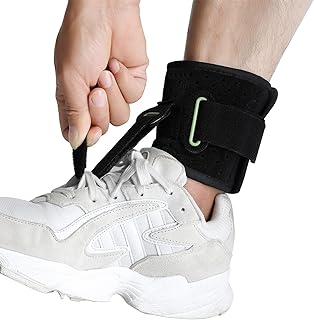
Living with foot drop, ankle instability, or chronic Achilles tendon pain can significantly impact your mobility and quality of life. For many, the solution lies in a specialized device known as an Ankle Foot Orthosis, or AFO brace. These braces are designed to support the ankle and foot, correct gait abnormalities, and alleviate pain, allowing individuals to walk more safely and comfortably. In this comprehensive guide, we'll explore the world of AFO braces, focusing on how modern, adjustable designs like the unisex Foot Up brace can transform daily movement.
What is an AFO Brace and Who Needs One?
An Ankle Foot Orthosis (AFO) is a medical device worn on the lower leg and foot to control the position and motion of the ankle, compensate for weakness, or correct deformities. It's a cornerstone of treatment for various neurological and musculoskeletal conditions. The primary function of most AFOs is to prevent foot drop—the inability to lift the front part of the foot, which causes a dragging or slapping gait. This condition can result from stroke, multiple sclerosis (MS), cerebral palsy, peripheral neuropathy, or injuries to the peroneal nerve.
Beyond addressing foot drop, AFO braces provide crucial ankle brace support for those with general ankle instability, arthritis, or recovering from fractures. They are also highly effective for managing pain associated with conditions like Achilles tendinitis or plantar fasciitis by limiting painful ranges of motion and providing external support. If you experience tripping, an uneven walking pattern, foot fatigue, or chronic ankle/foot pain, consulting a healthcare professional about an AFO could be a pivotal step.
Key Features of a High-Quality Adjustable AFO Brace
Not all AFO braces are created equal. Modern designs prioritize user comfort, adjustability, and discreet wear. A superior adjustable orthosis, such as the featured unisex model, incorporates several key features that set it apart from rigid, traditional designs.
Customizable Fit and Universal Design
The ability to adjust the brace is paramount for efficacy and comfort. Look for braces with multiple points of adjustment on the calf strap and foot plate. This ensures a secure, non-slip fit that accommodates swelling fluctuations throughout the day and provides a personalized feel. A true unisex foot brace will have a sizing chart based on calf circumference and shoe size rather than gender, making it accessible and effective for a wide range of users.
Dynamic Foot-Up Support Mechanism
The core innovation in a foot up brace is its mechanism to lift the toes during the swing phase of gait. This is often achieved through a flexible yet supportive strut or band that runs behind the calf and under the foot. This design provides the necessary assist to clear the ground, preventing trips and falls, without being so rigid that it interferes with a natural heel strike when your foot lands.
Breathable, Skin-Friendly Materials
Comfort for all-day wear is non-negotiable. High-quality AFOs use breathable neoprene, mesh, or padded fabrics that wick moisture away from the skin. The interior should be smooth to prevent chafing, while the exterior needs to be durable. The adjustable drop foot brace we are discussing often comes in a sleek black design, making it less conspicuous under clothing and socks compared to bulkier plastic models.
How an AFO Brace Actively Improves Your Walking Gait
Walking gait improvement is the primary goal of a functional drop foot brace. A normal gait cycle consists of a stance phase (foot on the ground) and a swing phase (foot moving forward). Foot drop disrupts the swing phase. Here’s how a well-fitted AFO intervenes:
- Swing Phase Assist: The brace's tension lifts the forefoot, ensuring the toes clear the ground as the leg swings forward. This eliminates the characteristic foot slap or drag.
- Stance Phase Stability: It provides medial-lateral (side-to-side) stability at the ankle, preventing unwanted rolling that can lead to sprains, which is crucial for those with general weakness or neuropathy.
- Energy Conservation: By compensating for weak muscles, the brace reduces the excessive effort other muscle groups (like the hip flexors) must use to hike the leg. This leads to less fatigue and a more efficient, symmetrical walking pattern.
This coordinated support not only makes walking safer but also helps retrain muscles and nerves by promoting a more normal movement pattern over time.
Targeted Pain Relief for Achilles Tendon and Beyond
For individuals suffering from Achilles tendinopathy, posterior heel pain, or even severe plantar fasciitis, an AFO brace can be a game-changer. The principle here is off-loading and controlled motion.
A brace designed for Achilles tendon relief typically includes a heel pad or a design that lifts the heel slightly, reducing tension on the tendon. More importantly, it limits the extreme dorsiflexion (toes pointing up) that aggressively stretches the Achilles during the stance phase. By controlling this range of motion, the brace allows the inflamed tendon to rest and heal while still permitting functional mobility. This makes it an excellent tool for both active recovery and daily management of chronic conditions.
Choosing and Using Your Adjustable AFO Brace
Selecting the right brace involves more than just picking a size. First, a proper diagnosis and recommendation from a physician, physiatrist, or physical therapist are essential. They can specify the exact degree of support and motion control you need. Once you have a recommended style, like an adjustable dynamic AFO brace, follow these steps:
- Accurate Measurement: Use a soft tape measure to determine your calf circumference at its widest point and your shoe size. Consult the manufacturer's sizing chart meticulously.
- Initial Fitting and Adjustment: Put the brace on as directed, usually over a thin sock. Start with looser adjustments and gradually tighten the straps for a snug, supportive fit that doesn't cut off circulation or cause numbness.
- Break-in Period: Wear the brace for short periods initially (1-2 hours), gradually increasing the time over several days to allow your skin and muscles to adapt.
- Footwear Compatibility: Test the brace with different shoes. It should fit comfortably inside your regular footwear without forcing you to buy a significantly larger size. Look for shoes with a removable insole to create extra depth.
For a specific example of a brace that embodies these features, consider exploring the Adjustable Drop Foot Brace. Its design focuses on providing the necessary support for foot drop and ankle instability while prioritizing user-friendly adjustability and comfort for all-day wear.
Maximizing the Benefits: Pairing Your Brace with Therapy
An AFO brace is most effective when used as part of a comprehensive rehabilitation plan. While it provides mechanical support, targeted exercises are crucial for maintaining strength and range of motion.
Work with a physical therapist to develop a regimen that might include:
- Active Dorsiflexion Exercises: Trying to lift your foot against gravity or light resistance while wearing the brace can help engage and strengthen the tibialis anterior muscle.
- Calf and Achilles Stretching: Gentle stretching, as pain allows, maintains flexibility. Your brace may be set to allow a safe stretching range.
- Balance and Proprioception Training: Standing on one leg (with support) or using a balance board can help retrain your nervous system's awareness of your ankle's position.
Consistent use of your ankle foot orthosis during daily activities, combined with dedicated therapy, creates a synergistic effect for optimal gait improvement and long-term mobility.
Conclusion: Taking a Step Toward Improved Mobility
An adjustable AFO brace is more than just a support device; it's a tool for reclaiming independence, safety, and comfort in movement. Whether managing foot drop from a neurological condition, seeking stability for a weak ankle, or finding relief from persistent Achilles tendon pain, the right brace can make a profound difference. By understanding the features, benefits, and proper use of these orthoses—from the versatile unisex designs to their targeted mechanisms for pain relief—you are empowered to make an informed decision in partnership with your healthcare team. Investing in a high-quality, adjustable AFO is an investment in your mobility and overall well-being, helping you step forward with greater confidence every day.


