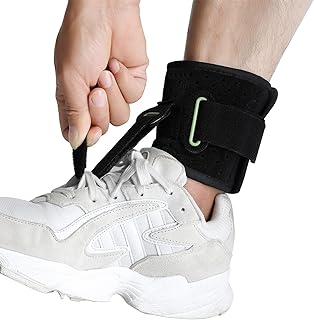
If you or a loved one is experiencing foot drop, a condition that makes lifting the front part of the foot difficult, you've likely encountered the term AFO brace. An Ankle Foot Orthosis is more than just a medical device; it's a key to reclaiming independence, stability, and a safer walking gait. This comprehensive guide dives deep into the world of AFOs, explaining how they work, the different types available, and what to look for when choosing one to support your mobility journey.
What is an AFO Brace and How Does It Work?
An AFO brace, or Ankle Foot Orthosis, is an external support device worn on the lower leg and foot. Its primary function is to control the position and motion of the ankle, compensate for weakness, and correct deformities. For individuals with foot drop (medically known as dorsiflexion weakness), the brace prevents the foot from slapping down or dragging during the swing phase of walking. It does this by providing support to hold the foot at a 90-degree angle to the leg, facilitating a heel-to-toe gait pattern. This not only improves walking efficiency but also significantly reduces the risk of trips and falls. The mechanics are elegantly simple yet profoundly impactful on daily life.
Common Causes of Foot Drop and the Role of Orthotics
Foot drop isn't a disease itself but a symptom of an underlying neurological, muscular, or anatomical problem. Common causes include nerve injury (like peroneal nerve palsy), neurological conditions (such as stroke, multiple sclerosis, or cerebral palsy), muscle disorders, and spinal injuries. Regardless of the cause, the result is a weakened ability to dorsiflex the foot. This is where an ankle foot orthosis becomes a crucial intervention. By providing the external support the body lacks, an AFO acts as a substitute for the weakened muscles and nerves, enabling functional ambulation. It's a cornerstone of rehabilitation, helping users maintain muscle memory for proper gait while protecting against further injury from compensatory walking patterns.
Types of AFO Braces: From Rigid to Dynamic Support
Not all AFOs are created equal. The right type depends on the severity of the condition, the user's activity level, and personal comfort needs. Rigid AFOs (often made from polypropylene) offer maximum stability, completely immobilizing the ankle. They are typically prescribed for severe weakness or spasticity. Articulated AFOs feature a hinge at the ankle, allowing for some controlled movement, which can be beneficial for walking on uneven surfaces. Dynamic AFOs or 'posterior leaf spring' designs are lighter and more flexible, providing a spring-like action that assists with foot lift during swing phase. For many seeking a balance of support, comfort, and adjustability, modern designs like the Dosh AFO Foot Drop Brace offer a versatile solution. Its unisex design and focus on walking support make it a popular choice for everyday mobility.
Key Benefits of Using a Quality Foot Drop Brace
Investing in a well-fitted foot drop brace delivers a multitude of benefits that extend far beyond basic walking. First and foremost is safety; by preventing foot drag, it drastically reduces tripping hazards. Second is reduced fatigue; users no longer have to expend extra energy lifting the knee high to clear the foot (a gait known as steppage gait). This conserves energy for daily activities. Third, it promotes a more natural and efficient gait, which can help prevent secondary issues like joint pain in the knee, hip, or back caused by compensatory movements. Furthermore, a good brace provides ankle stability, reducing the risk of sprains. The psychological benefit of regained confidence and independence is perhaps the most significant, allowing individuals to engage more fully in social and professional life.
How to Choose the Right AFO Brace for Your Needs
Selecting an drop foot brace is a decision best made in consultation with a healthcare professional, such as a physiatrist, orthotist, or physical therapist. However, understanding the key factors empowers you to be an active participant in the process. Consider the level of support needed (rigid vs. flexible). Evaluate material and weight; lighter materials like carbon fiber or certain polymers are great for active users. Fit and comfort are paramount; look for padded liners, adjustable straps, and breathable designs to prevent skin irritation. The type of footwear you plan to wear with the brace is also critical—some AFOs fit easily into standard shoes, while others require deeper or wider styles. Finally, consider ease of use; can you don and doff it independently? A device like the Dosh AFO emphasizes user-friendly, adjustable support suitable for a wide range of needs.
Integrating an AFO into Your Daily Life and Mobility Regimen
Successfully adapting to an walking brace involves more than just putting it on. A break-in period is normal. Start by wearing the brace for short periods indoors to allow your skin and muscles to adjust. Work with a physical therapist to retrain your gait; they can provide exercises to strengthen surrounding muscles and ensure you're using the orthosis correctly. Proper skin care is essential—inspect your skin daily for any redness or pressure points. Ensure your shoes are accommodating and provide adequate support. Remember, an AFO is a powerful mobility aid, but it is part of a broader management plan that may include exercise, therapy, and treating the underlying condition. With patience and the right device, an AFO brace can seamlessly become a part of your routine, unlocking a world of safer, more confident movement.