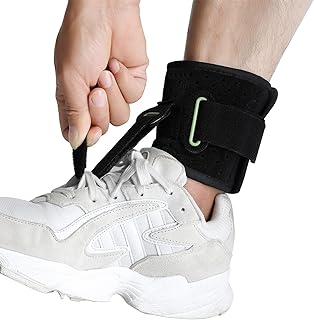
Living with foot drop can transform simple activities like walking into significant challenges. The condition, characterized by difficulty lifting the front part of the foot, often leads to an unsteady gait, tripping, and fatigue. Fortunately, modern orthotic solutions like the FootFlexor Foot Drop Brace offer a blend of support and comfort to help individuals regain mobility and confidence. This comprehensive guide explores the world of AFO braces, focusing on how they work, their benefits, and what to look for when selecting one, such as the popular soft ankle foot orthosis designs.
Understanding Foot Drop and the Role of an AFO Brace
Foot drop, or drop foot, is not a disease itself but a symptom of an underlying neurological, muscular, or anatomical problem. It can result from conditions like stroke, multiple sclerosis, cerebral palsy, peroneal nerve injury, or muscular dystrophy. The primary issue is the weakness or paralysis of the muscles responsible for dorsiflexion—lifting the foot upward at the ankle. This causes the toes to drag on the ground during the swing phase of walking. An Ankle Foot Orthosis (AFO) is specifically designed to address this. It stabilizes the ankle and foot, providing the necessary support to clear the foot from the ground, prevent slapping, and promote a safer, more efficient walking pattern.
Types of AFO Braces: From Rigid to Soft Designs
AFO braces come in various styles, each suited to different levels of severity and user needs. Traditional rigid AFOs, often made from hard plastic, offer maximum stability and are used for severe foot drop. Articulated AFOs have a hinge at the ankle, allowing for more natural movement while still preventing foot drop. For many individuals with mild to moderate drop foot, a soft AFO like the FootFlexor is an excellent choice. These braces are typically made from flexible, breathable materials like neoprene and fabric. They provide dynamic support by using elastic or strapping systems to gently lift the foot, mimicking natural muscle action. This category of foot drop brace is prized for its comfort, discretion under clothing, and suitability for active use.
Key Benefits of Using a Soft AFO Brace for Walking Support
Choosing a soft ankle foot orthosis like the Core Products FootFlexor brings several advantages for daily walking support. First and foremost is improved safety. By preventing toe drag, the brace significantly reduces the risk of trips and falls. It also helps correct gait abnormalities, leading to less energy expenditure and reduced fatigue during walking. The flexible design allows for a greater range of natural ankle motion compared to rigid braces, which can promote healthier muscle engagement and prevent stiffness. Furthermore, soft AFOs are generally more comfortable for extended wear, are easier to put on and take off, and are less bulky, making them ideal for use with regular shoes. This combination of safety, efficiency, and comfort is why many users prefer a soft FootFlexor-style brace.
How to Choose the Right AFO Brace for Your Needs
Selecting the correct AFO brace is crucial for effectiveness and comfort. The decision should be made in consultation with a healthcare professional, such as a physiatrist, physical therapist, or orthotist. Key factors to consider include the severity of your foot drop, the cause of the condition, your activity level, and your personal comfort preferences. For instance, the FootFlexor Foot Drop Brace in size XSmall/Small is designed for specific ankle and foot measurements, highlighting the importance of a proper fit. A well-fitted brace should provide adequate support without causing pressure points, cutting off circulation, or excessively restricting desired movement. Trying different styles, like a flexible drop foot support versus a rigid one, can help determine what works best for your lifestyle.
Integrating an AFO Brace into Your Daily Life and Therapy
Wearing an AFO brace is often part of a broader management plan for foot drop. It's important to break in the brace gradually, starting with short periods of wear to allow your skin and muscles to adapt. Pairing brace use with prescribed physical therapy exercises is essential. Therapy can focus on strengthening the weakened dorsiflexor muscles, stretching the calf muscles, and retraining your gait pattern. A device like the FootFlexor provides the external support needed to practice walking correctly and safely during these sessions. Remember, an orthosis is a tool to enhance mobility and independence. With consistent use and proper care—including keeping the brace clean and checking for signs of wear—a quality AFO brace can be a long-term companion for active living.
Conclusion: Taking a Step Forward with Confidence
Foot drop doesn't have to limit your mobility or independence. Modern AFO braces, particularly user-friendly soft designs, offer a practical and effective solution. By providing essential drop foot support, these devices help stabilize the ankle, improve gait, and prevent falls. If you're considering an ankle foot orthosis, consult with your medical team to find the best option for your specific condition. A well-chosen brace, like the soft and supportive FootFlexor, can be the key to walking with greater safety, comfort, and confidence, turning every step into a move toward a more active life.