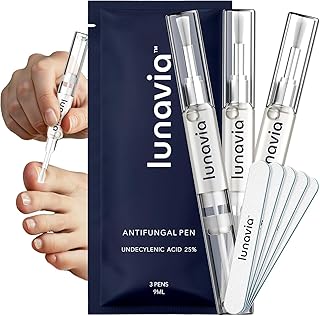
Struggling with the stubborn, unsightly, and sometimes painful problem of toenail fungus? You're not alone. Millions seek effective solutions, moving from over-the-counter creams to prescription medications, often with mixed results. The Lunavia Toenail Fungus Pen has emerged as a popular at-home contender, promising a targeted, extra-strength approach. This review goes beyond the marketing to analyze its key ingredients—25% undecylenic acid and tea tree oil—and evaluate whether this pen-based treatment lives up to its claims for repairing damaged nails and combating fungal infections.
Understanding the Enemy: What is Toenail Fungus?
Before diving into any treatment, it's crucial to understand the condition. Toenail fungus, or onychomycosis, is a common infection caused by dermatophytes, yeasts, or molds. It thrives in warm, moist environments (think sweaty shoes) and can lead to nails becoming discolored (yellow, brown, or white), thickened, brittle, and crumbly. The infection can be notoriously difficult to eradicate because the fungus embeds itself deep under the nail plate, creating a protective barrier that topical treatments struggle to penetrate. This is why many treatments fail; they simply don't reach the source. Effective toenail fungus treatment requires a formulation that can both penetrate the nail and possess potent antifungal properties.
Deconstructing the Lunavia Toenail Fungus Pen Formula
The core promise of the Lunavia pen lies in its dual-action formula. Let's break down the science behind its primary active ingredients.
25% Undecylenic Acid: The Antifungal Powerhouse
Undecylenic acid is a fatty acid derived from castor oil and has a long history of use as an antifungal agent. It works by disrupting the cell membranes of fungal cells, effectively stopping their growth and reproduction. The 25% concentration in this pen is significant. Many OTC antifungal products contain much lower percentages (often around 10-15%), making this an "extra strength" formulation as advertised. This higher concentration is designed to be more aggressive against entrenched fungal colonies. For severe cases of fungal infection, a potent antifungal like this is a critical component of any treatment plan.
Tea Tree Oil: The Natural Antiseptic Ally
Tea tree oil, sourced from the Australian Melaleuca alternifolia plant, is renowned for its broad-spectrum antimicrobial and anti-inflammatory properties. It complements undecylenic acid by providing an additional layer of antifungal action while also helping to soothe any surrounding skin irritation. Its natural penetrating ability may also aid in helping the other active ingredients reach deeper into the nail bed. The inclusion of tea tree oil appeals to those seeking a treatment that combines clinically-proven actives with trusted natural remedies, a common trend in modern foot care.
The Pen Delivery System: Innovation or Gimmick?
The treatment is delivered via a pen applicator, which is a key differentiator from traditional brushes, droppers, or creams. This design offers several potential advantages for However, the effectiveness of the pen ultimately depends on the viscosity of the solution. It must be thin enough to flow through the tip but potent enough to remain on the nail and penetrate. User reports on the Lunavia pen suggest the formula dries relatively quickly, which is a positive sign for adherence.
Real-World Application and Expected Results
Treating toenail fungus is a marathon, not a sprint. Patience and consistency are non-negotiable. Based on the mechanism of its ingredients, here’s what users can realistically expect from a regimen using the Toenail Fungus Pen:
- Initial Phase (First 4-8 Weeks): You may notice a slowing of the infection's spread. The discoloration might not improve yet, but the nail may stop becoming more brittle or thick.
- Mid-Term (2-4 Months): As the new, healthy nail begins to grow out from the matrix, you should see a clear line of healthy nail at the base. The infected portion will gradually grow out and be trimmed away. This is the most critical period for maintaining application.
- Long-Term (6-12 Months): Complete regrowth of a clear, healthy nail can take up to a year or more, as toenails grow slowly. The pen must be used for the full duration until the infected nail is completely replaced.
It's vital to manage expectations: no topical treatment, including this one, guarantees 100% success for every individual, especially in very advanced cases where the nail matrix is severely damaged.
Common Pitfalls and How to Avoid Them
Many people give up on antifungal treatments prematurely. To maximize your chances of success with the Lunavia Toenail Fungus Pen or any similar product, avoid these mistakes:
- Inconsistent Application: Skipping applications gives the fungus a chance to rebound. Set daily reminders.
- Ignoring Foot Hygiene: The treatment cannot work in a vacuum. Keep feet clean and dry, wear moisture-wicking socks, and rotate shoes.
- Expecting Overnight Results: Nail growth is slow. Progress is measured in millimeters per month, not days.
- Not Treating All Affected Nails: Apply to all nails showing signs of infection, even mild ones, to prevent spread.
Who is the Lunavia Toenail Fungus Pen Best Suited For?
This treatment appears to be an excellent option for:
- Individuals with mild to moderate toenail fungus infections.
- Those who have found weaker OTC treatments ineffective.
- People who prefer a targeted, non-messy application method.
- Anyone seeking a treatment that combines a high-potency active ingredient (undecylenic acid) with a supportive natural agent (tea tree oil).
- Patients looking for an alternative to oral medications, which can have systemic side effects.
It may be less suitable for those with extremely thickened nails (which may require professional debridement first) or severe infections involving the entire nail matrix, where prescription oral antifungals or laser treatments might be necessary.
Final Verdict: A Potent Tool in Your Antifungal Arsenal
The Lunavia Toenail Fungus Pen presents a compelling case based on its formulation. The 25% undecylenic acid concentration is a legitimate strength, and the synergy with tea tree oil is scientifically sound. The pen applicator is a practical innovation that promotes precise and consistent use—the two most important factors in beating a stubborn fungal infection.
While it is not a magical overnight cure, it represents a serious, extra-strength topical option for damaged nails. Success requires commitment to a long-term treatment protocol alongside good foot hygiene practices. For those tired of ineffective creams and wary of prescription pills, this targeted pen offers a promising, convenient, and potent path to clearer, healthier nails. As with any persistent medical condition, consulting a healthcare professional for a proper diagnosis is always recommended before starting a new treatment regimen.