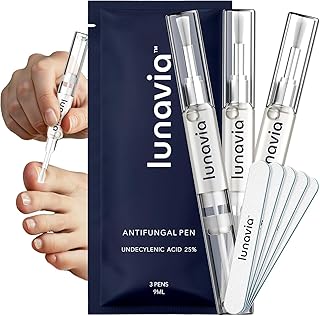
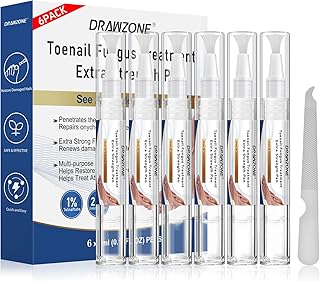
Struggling with unsightly, discolored, or thickened toenails can be more than just a cosmetic concern; it's often a sign of a persistent fungal infection. Traditional treatments can be messy, time-consuming, and sometimes ineffective, leaving many searching for a convenient and potent solution. Enter targeted, pen-style applicators designed for precision and strength. This guide delves into one such innovative solution, exploring how a high-concentration formula can help restore nail health from the comfort of your home. We'll focus on the mechanics of effective fungal nail treatment, the key ingredients that make a difference, and how to integrate a treatment pen into your daily routine for optimal results.
Toenail fungus, or onychomycosis, is a common infection that occurs when microscopic fungi invade the nail bed, often through tiny cuts or separations between the nail and nail bed. The warm, dark, and moist environment inside shoes provides the perfect breeding ground. Symptoms start subtly—a small white or yellow spot under the tip of the nail—but can progress to causing the nail to thicken, discolor (turning yellow, brown, or white), become brittle, crumble at the edges, and even separate from the nail bed. This isn't merely aesthetic; it can cause discomfort, pain, and social embarrassment. Understanding that this is a resilient infection living deep under the nail plate is the first step in choosing an effective treatment. Superficial creams often fail because they cannot penetrate sufficiently.
Why Pen Applicators Are a Game-Changer for Nail Fungus
The evolution from messy creams and lacquers to precision pens marks a significant advancement in at-home podiatric care. The primary advantage of a pen applicator is targeted delivery. The fine tip allows you to apply the medication directly to the cuticle and the undersides of the nail, the critical entry points for the treatment to reach the infection site. This minimizes waste, prevents the formula from smearing onto healthy skin, and ensures a higher concentration of active ingredients is delivered exactly where it's needed. Compared to brushing on a polish or rubbing in a cream, a pen offers cleaner, more controlled, and less messy application, making consistent daily use—a key to success—much more likely.
Decoding the Potent Formula: 25% Undecylenic Acid and Natural Oils
The efficacy of any antifungal treatment hinges on its active ingredients. A standout component in advanced treatments is Undecylenic Acid, a fatty acid renowned for its potent antifungal and antimicrobial properties. At a concentration of 25%, it works by disrupting the cell membranes of the fungi, inhibiting their growth and reproduction. But the best formulas don't stop there. They are often bolstered by a synergy of natural antifungal oils like Tea Tree Oil, known for its broad-spectrum antimicrobial action; Clove Bud Oil, which contains powerful eugenol for added antifungal punch; and Jojoba Oil, which mimics the skin's natural sebum to moisturize and soothe the surrounding skin without clogging pores. Aloe Vera is frequently included for its calming and healing properties, helping to repair the damaged nail and skin tissue. This combination creates a multi-pronged attack on the fungus while supporting overall nail health.
Step-by-Step Guide to Using Your Antifungal Nail Pen
Consistency and correct technique are paramount. For best results, start with clean, dry feet. Gently file down the thickened surface of the infected nail to remove shine and increase porosity; this helps the formula penetrate deeper. Do not share files to prevent spread. Twist the base of the pen to prime it until the liquid appears at the tip. Carefully apply the solution along the cuticle line and under the free edge of the nail. Allow it to dry completely for about 60-90 seconds before putting on socks or shoes. Use the pen once or twice daily as directed. It's crucial to continue the treatment for the full recommended period, often several weeks or months, even after the nail appears clear, to ensure the underlying infection is fully eradicated and prevent recurrence.
Realistic Expectations and Treatment Timeline
Patience is essential when treating nail fungus. Because nails grow slowly—toenails about 1-2 mm per month—visible results take time. You may not see a completely new, healthy nail for 6 to 12 months. Early signs of success include a reduction in discoloration at the base of the nail (the growth area), decreased thickening, and less brittleness. The Lunavia Toenail Fungus Pen is designed for this marathon, not a sprint. Its convenient format encourages the daily adherence required to outpace the fungal growth. Remember, the goal is for the new nail growing in to be free of infection, which will gradually push out the damaged portion.
Complementary Practices for Optimal Nail Health
While a potent treatment pen is your primary weapon, supporting habits amplify its effectiveness. Practice impeccable foot hygiene: wash feet daily, dry them thoroughly (especially between toes), and wear moisture-wicking socks. Choose shoes made of breathable materials and rotate pairs to allow them to dry out completely. Disinfect your shower floor regularly and avoid walking barefoot in public pools, locker rooms, and gyms. Keep your own nail clippers, files, and towels separate. These steps, combined with your targeted at-home nail care regimen, create a hostile environment for fungi and support long-term nail health.
Who Can Benefit from an Extra-Strength Treatment Pen?
This type of toenail fungus extra strength solution is ideal for individuals experiencing early to moderate stages of fungal infection, characterized by discoloration, mild to moderate thickening, and brittleness. It's also an excellent option for those who have found over-the-counter creams ineffective, likely due to penetration issues. The pen format is particularly beneficial for people with dexterity challenges, as it is easier to handle than a brush-on bottle. However, individuals with severe infections involving significant pain, swelling, bleeding, or complete nail detachment should consult a podiatrist or dermatologist, as oral medication or professional debridement may be necessary.
Making an Informed Decision for Your Nail Care
Choosing the right treatment involves evaluating your specific needs, the severity of your condition, and your lifestyle. A high-concentration pen like the one discussed offers a compelling blend of clinical-strength active ingredients, natural supportive oils, and user-friendly application. By understanding how it works, committing to the process, and adopting supportive foot care habits, you can effectively combat fungal infections and work towards restoring clear, healthy nails. For a closer look at the specific product that embodies this approach, you can explore the details of this extra-strength fungal nail repair pen.