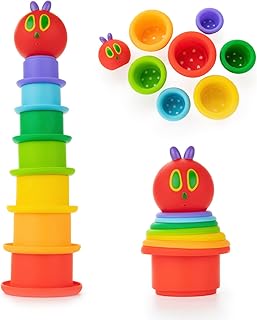
Since its publication in 1969, The Very Hungry Caterpillar by Eric Carle has nibbled its way into the hearts of millions. This deceptively simple story of a caterpillar's journey to becoming a butterfly is more than just a picture book; it's a cultural touchstone, a teaching tool, and a bedtime staple. Its enduring popularity speaks to the universal themes of growth, transformation, and the simple joys of discovery. This guide delves deep into the world of the Hungry Caterpillar, exploring its creation, its multifaceted educational value, and the reasons it continues to captivate generation after generation.
At its core, the story follows a tiny, very hungry caterpillar who hatches from an egg. Over the course of a week, he eats through an increasing amount of food—from one apple on Monday to a feast of cakes, pickles, and sausage by Saturday, which gives him a stomachache. After a healthy leaf on Sunday, he builds a cocoon and emerges two weeks later as a beautiful, multicolored butterfly. Carle's innovative use of die-cut pages, showing the caterpillar "eating" through the food, creates an interactive and tactile experience that is pure magic for young readers.
The Genius Behind The Very Hungry Caterpillar
Eric Carle's distinctive collage technique, using hand-painted papers, gives the Hungry Caterpillar and all his creations a vibrant, textured look that is instantly recognizable. The idea for the book reportedly came from playing with a hole punch and imagining a bookworm. Carle transformed this into a caterpillar, a creature he described as representing hope. "The caterpillar is a symbol of patience and waiting," he once said. "You too can grow up and spread your wings." This profound message, wrapped in bright colors and a playful narrative, is the book's secret weapon. For more insights into classic children's literature, explore our Hungry Caterpillar tag page.
Educational Power of the Hungry Caterpillar Story
Educators and parents have long celebrated The Very Hungry Caterpillar for its seamless integration of learning concepts. It is a powerhouse for early childhood development, teaching without ever feeling like a lesson. Here are the key educational themes it covers:
Days of the Week and Counting
The book's structure is a brilliant framework for teaching sequences. Children learn the days of the week as the caterpillar progresses from Monday to Sunday. Simultaneously, they are introduced to counting and quantities, from one piece of fruit to five, and then to the various treats on Saturday. This dual teaching method helps reinforce both numerical and chronological order in a memorable, story-based context.
Healthy Eating and Life Cycles
While the caterpillar's junk food binge leads to a stomachache, his recovery comes from eating a nice green leaf. This subtly introduces the concept of healthy versus unhealthy foods and the consequences of overindulgence. Most importantly, the book provides a child-friendly introduction to the miraculous process of metamorphosis. The caterpillar's transformation into a butterfly teaches one of nature's most fundamental lessons about change, growth, and new beginnings.
Why The Hungry Caterpillar Remains a Timeless Classic
Over 50 million copies sold and translations into dozens of languages testify to its universal appeal. The reasons are multifaceted. First, its interactive design—the holes in the pages—invites children to poke their fingers through, making reading a physical and engaging activity. Second, the story's predictability and repetition provide comfort and a sense of mastery for young listeners, who love to chant along with the days and the foods. Finally, the hopeful ending provides a satisfying and beautiful resolution, leaving children with a sense of wonder.
Creative Activities Inspired by the Hungry Caterpillar
The book's themes and imagery are perfect springboards for crafts and learning activities. Here are a few popular ideas to extend the story beyond the page:
- Caterpillar Fruit Salad: Create a caterpillar using slices of kiwi, grapes, strawberries, and blueberries. A fun way to encourage healthy eating!
- Life Cycle Craft: Use pasta shapes (orzo for eggs, spiral for the caterpillar, shell for the cocoon, bowtie for the butterfly) to create a visual representation of metamorphosis.
- Story Sequencing Cards: Print or draw pictures of the key events (egg, foods, cocoon, butterfly) and have children put them in the correct order, reinforcing narrative comprehension.
These activities not only solidify the book's lessons but also foster creativity and fine motor skills. The Hungry Caterpillar provides a rich, versatile foundation for playful learning.
The Legacy of Eric Carle and His Hungry Caterpillar
The Very Hungry Caterpillar is the crown jewel in Eric Carle's prolific career, but it is part of a larger philosophy. Carle believed in creating "books that are half toy," books that were bridges between home and school. He wanted to make children feel safe while sparking their curiosity about the world. The success of the Hungry Caterpillar enabled him to co-found The Eric Carle Museum of Picture Book Art, ensuring that the art of the picture book would be celebrated and studied for years to come. His work, especially this iconic book, reminds us that the simplest stories, told with heart and artistry, can have the deepest impact.
In conclusion, The Very Hungry Caterpillar is much more than a story about an insect with a big appetite. It is a masterclass in early childhood education, a work of art, and a story of hope. It teaches numbers, days, healthy habits, and nature's wonders, all while captivating with its tactile fun and vibrant colors. Whether you are reading it for the first time or the hundredth, the journey of the little caterpillar continues to inspire awe and delight, proving that some stories truly are timeless. Discover more about this and other beloved tales on our dedicated Hungry Caterpillar resource page.