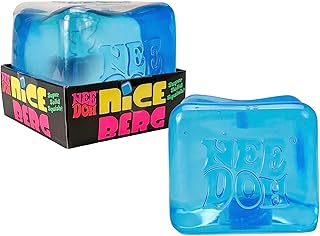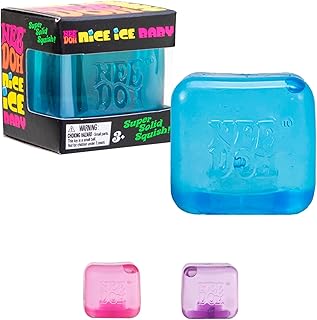
In a world of constant digital notifications and overwhelming stimuli, finding a simple tool to ground oneself has become a modern necessity. Enter the realm of sensory fidget toys, where the humble Needoh Nice Cube has carved out a significant niche. But what separates a truly effective sensory tool from a mere desk trinket? The answer lies in a combination of design, texture, and psychological principle. This article delves deep into the world of textured sensory aids, exploring why products like the NeeDoh Gumdrop are engineered for more than just idle hands.
The core function of any sensory fidget toy is to provide a discreet, physical outlet for restless energy or anxious thoughts. This isn't just a trend; it's supported by occupational therapy principles. Fidgeting can help regulate the nervous system, improving concentration for individuals with ADHD, anxiety, or those who simply need a tactile focus point during long periods of sedentary work. The key is the quality of the sensory input provided.
The Science of Texture in Sensory Regulation
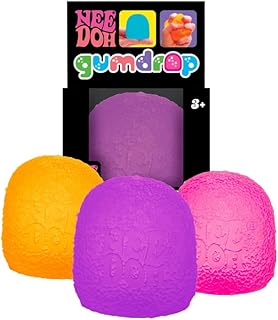
Not all fidgets are created equal. Smooth, uniform surfaces offer one type of feedback, while varied, textured surfaces engage the brain differently. Textured toys like the Gumdrop provide what therapists call "proprioceptive input"—deep pressure feedback to the joints and muscles—and "tactile input" through the skin. This combination can be incredibly organizing for the brain. The unique, bumpy surface of a textured sensory toy demands more focused tactile attention, which can help anchor a wandering mind more effectively than a smooth, repetitive motion.
Why the Needoh Nice Cube and Gumdrop Design Stands Out
Examining the NeeDoh Gumdrop Textured Sensory Fidget Toy reveals a thoughtfully designed object. Its gumdrop-like shape is not merely aesthetic; it fits ergonomically in the palm, allowing for a variety of manipulations—squeezing, rolling, pinching. The "Colors May Vary" aspect of the 3-pack isn't a drawback; it introduces an element of pleasant surprise and allows users to associate different colors with different moods or needs, a subtle cognitive trick. This design philosophy prioritizes varied sensory engagement, making it a versatile tool for stress relief.
Beyond a Single Toy: The Advantage of a Multi-Pack
Offering this product in a 3-pack addresses a critical practical need. Sensory needs can change throughout the day or in different environments. Having multiple units means one can be at your desk, another in your bag, and perhaps one at home. It also reduces the panic of losing your primary focus tool. For parents, teachers, or therapists, a fidget pack is a cost-effective way to provide resources for multiple individuals or to have backups readily available. This approach transforms the toy from a single object into a integrated sensory support system.
Common Misconceptions About Fidget Toys
Many believe fidget toys are only for children or for diagnosed conditions. This is a major misconception. In today's high-pressure work environments, adults are increasingly turning to tactile tools to manage stress and sustain concentration during long meetings or deep work sessions. Another myth is that they are a distraction. When used appropriately, a tool like the Needoh Nice Cube is a *targeted* distraction for the part of the brain that seeks stimulation, freeing up the prefrontal cortex to focus on the primary task. It’s about channeling nervous energy, not creating it.
Choosing the Right Sensory Tool for Your Needs
Selecting a fidget toy is personal. Ask yourself: Do you need silent operation? Do you prefer squeezing, rolling, or tactile texture? The Gumdrop's textured, pliable design offers a quiet, satisfying resistance. For those seeking anxiety relief, the rhythmic, focused action of kneading the toy can mimic mindfulness exercises, helping to center thoughts and regulate breathing. It’s less about the toy itself and more about how its specific properties align with your sensory preferences. A 3-pack allows for experimentation to discover what works best in different scenarios.
Integrating Sensory Tools into Daily Life
The true benefit of a desk toy like this is realized through consistent, mindful use. It's not meant to be played with constantly, but rather deployed strategically. Keep one on your desk for moments when a task feels overwhelming or your focus wanes. Use it during phone calls to help listen more actively. The goal is to create a conditioned response where the tactile sensation helps signal your brain to enter a calmer, more focused state. The portability of the Gumdrop makes this integration seamless.
The Verdict: An Investment in Cognitive Well-being
Viewing tools like the Needoh Nice Cube and the NeeDoh Gumdrop pack as mere toys undersells their potential. They are accessible, non-pharmacological aids for managing attention and emotional regulation. The textured design, satisfying resistance, and practical multi-pack format of the Gumdrop offer a comprehensive sensory solution. Whether you're navigating ADHD, work-related stress, or simply seeking a way to quiet a busy mind, these tools represent a small but powerful step towards taking proactive control of your mental focus and comfort. The right sensory input, it turns out, can be a profound source of output in our daily lives.