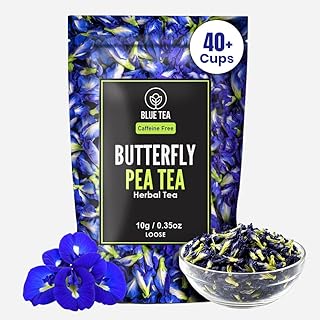
In the vast and colorful world of herbal infusions, few teas captivate the senses quite like Butterfly Pea Tea. Known scientifically as *Clitoria ternatea*, this stunning blue flower has been a staple in traditional Southeast Asian medicine and cuisine for centuries. Today, it's gaining global popularity, not just for its mesmerizing indigo hue but for its impressive array of health-promoting properties. This comprehensive guide will delve into everything you need to know about this magical brew, from its rich history and science-backed benefits to creative culinary uses and expert brewing techniques.
What is Butterfly Pea Tea?
Butterfly Pea Tea is an herbal tisane made from the dried petals of the *Clitoria ternatea* vine, a plant native to tropical equatorial Asia. The tea is renowned for its vibrant, deep blue color, a natural spectacle derived from a high concentration of antioxidant compounds called anthocyanins. When steeped, the petals release this brilliant blue pigment into the water, creating a visually stunning drink. Interestingly, the tea acts as a natural pH indicator. Adding an acidic ingredient like lemon juice or hibiscus transforms the blue brew into a beautiful shade of purple or pink, making it a favorite for creative mixologists and food enthusiasts. Beyond its visual appeal, it's a caffeine-free alternative cherished in Ayurveda and traditional practices for its calming and nootropic effects.
The Remarkable Health Benefits of Butterfly Pea Flower
While its beauty is undeniable, the true value of Butterfly Pea Tea lies in its wellness potential. Modern research is beginning to validate what traditional healers have long known.
Powerful Antioxidant Protection
The deep blue color is a tell-tale sign of potent antioxidants, primarily anthocyanins like ternatins. These compounds help combat oxidative stress in the body by neutralizing harmful free radicals. Chronic oxidative stress is linked to premature aging, inflammation, and various chronic diseases. Regular consumption of antioxidant-rich teas like Butterfly Pea Tea can support the body's natural defense systems.
Supports Cognitive Function and Mood
In Ayurvedic medicine, the butterfly pea flower is classified as a "Medhya Rasayana," a substance that rejuvenates the mind and intellect. Studies suggest it may enhance memory and learning by increasing acetylcholine levels in the brain. Its calming properties are also noted, with many users reporting reduced feelings of stress and anxiety after consumption, making it an excellent evening beverage.
Promotes Skin and Hair Health
The antioxidants in butterfly pea flower are believed to support collagen production, which is crucial for maintaining skin elasticity and reducing the appearance of wrinkles. Its anti-inflammatory properties may also help soothe skin conditions. Traditionally, the flower has been used topically and consumed to promote hair growth and prevent premature graying, thanks to its bioflavonoid content.
Eye Health and Circulation
Anthocyanins are well-known for supporting eye health by improving blood flow to the capillaries in the eyes. They may help reduce eye strain and improve vision. Furthermore, these compounds support overall circulatory health, which is vital for cardiovascular function.
How to Brew the Perfect Cup of Butterfly Pea Tea
Brewing this tea is simple, but a few tips can elevate your experience from good to extraordinary. The process highlights its unique properties.
- Quality Matters: Start with high-quality, organic dried butterfly pea flowers. Look for whole, vibrant blue petals for the best color and flavor.
- Water Temperature: Use hot, but not boiling, water. Ideal temperature is between 90-95°C (194-203°F). Boiling water can sometimes make the tea taste slightly bitter and may degrade some delicate compounds.
- Steeping Time: Steep 5-10 dried flowers (or about one teaspoon) in 8 oz of hot water for 3-5 minutes. For a stronger color and flavor, you can steep for up to 10 minutes. The longer it steeps, the deeper the blue.
- The Color Magic: Watch the mesmerizing blue infusion happen. For a fun experiment, brew a strong blue tea and then pour it into a glass with a squeeze of fresh lemon juice. Watch as it transforms before your eyes into a vibrant violet or pink hue.
- Serving: Enjoy it hot for a soothing experience. It has a mild, earthy, slightly woody flavor, often compared to green tea but more subtle. It pairs beautifully with honey, mint, or ginger.
Creative Culinary Uses Beyond the Teacup
The versatility of Butterfly Pea Tea extends far beyond a simple hot drink. Its stable, vibrant color and neutral flavor make it a fantastic natural food coloring.
- Color-Changing Lemonade & Cocktails: Create stunning beverages by adding cooled butterfly pea tea to lemonade, gin and tonics, or mocktails. The acid in the citrus creates a beautiful gradient or complete color change.
- Vibrant Rice and Noodles: In Thai cuisine, it's commonly used to color sticky rice and rice noodles, creating visually striking dishes like blue rice or kanom chan.
- Natural Food Dye: Use the concentrated tea to dye frosting for cakes, color smoothie bowls, or create blue lattes ("blue matcha").
- Ice Cubes: Freeze brewed tea into ice cubes. Add them to clear drinks for a slow-release of color as they melt.
Buying Guide: What to Look For
When shopping for Butterfly Pea Tea, quality is key to ensuring you get the full spectrum of benefits and the iconic color.
- Form: Available as whole dried flowers, cut petals, or powder. Whole flowers often retain potency and color best.
- Color: Look for a deep, vibrant blue. Dull or grayish petals may be old or of lower quality.
- Source: Opt for products that are certified organic and ethically sourced, preferably from regions where the plant is native, like Thailand or Vietnam.
- Packaging: Choose tea stored in airtight, light-resistant packaging to preserve the delicate antioxidants.
Frequently Asked Questions (FAQs)
Does Butterfly Pea Tea have caffeine?
No, it is naturally caffeine-free, making it a perfect choice for any time of day, especially before bed.
Are there any side effects?
It is generally considered safe for most people. However, as with any herbal supplement, those who are pregnant, breastfeeding, or on medication should consult a healthcare provider. Excessive consumption may have a mild laxative effect for some individuals.
Can I drink it every day?
Yes, many people incorporate one to two cups daily into their routine. It's a healthy, hydrating, and antioxidant-rich beverage.
How should I store my butterfly pea flowers?
Store them in an airtight container in a cool, dark, and dry place, away from direct sunlight and moisture, to maintain their color and potency.
Conclusion: A Splash of Color and Wellness
Butterfly Pea Tea is more than just a pretty drink; it's a fusion of ancient tradition and modern wellness. Its stunning visual appeal makes it a joy to prepare and serve, while its potential cognitive, antioxidant, and beauty benefits offer a compelling reason to make it a regular part of your healthy drinks repertoire. Whether you're seeking a calming caffeine-free alternative, a natural ingredient to elevate your culinary creations, or simply a moment of beauty in your daily ritual, this enchanting blue tea delivers. So, steep a cup, watch the magic unfold, and savor a unique experience for both the eyes and the body.
![Butterfly pea flower tea loose leaf (375+ Cups) [ 4.4 Ounces Oz] Dried butterfly pea flowers blue tea](https://m.media-amazon.com/images/I/81Sd+Bf-SaL._AC_UL320_.jpg)