For decades, Hydroquinone has been the gold standard in dermatology for treating hyperpigmentation. Whether you're battling stubborn age spots, sun-induced freckles, or the hormonal patches of melasma, this powerful ingredient has likely been part of the conversation. Its ability to lighten dark spots by inhibiting the enzyme tyrosinase, which is crucial for melanin production, is well-documented. However, its use is often accompanied by questions about safety, side effects, and the search for gentler, yet effective, solutions. This comprehensive guide delves into the science behind Hydroquinone, its proper application, and explores the landscape of alternatives, including innovative natural formulas designed for soothing repair and antioxidant protection.
Understanding how Hydroquinone works is key to using it effectively and safely. It functions as a depigmenting agent by targeting melanocytes, the skin cells responsible for producing pigment. By competitively inhibiting tyrosinase, it significantly reduces the formation of melanin, allowing existing dark spots to fade as skin cells naturally turnover. This makes it highly effective for conditions like melasma, post-inflammatory hyperpigmentation (from acne), and solar lentigines (sun spots). Treatment typically involves a cream or serum applied directly to the affected areas, often starting with a lower concentration (2%) available over-the-counter, while stronger formulations (4% or higher) require a prescription. Consistency and sun protection are non-negotiable companions to any treatment involving Hydroquinone, as UV exposure can worsen pigmentation and counteract results.
Despite its efficacy, the use of Hydroquinone is not without controversy and potential risks. Common side effects include skin irritation, redness, dryness, and a burning sensation, particularly for those with sensitive skin. A more concerning risk is a condition called ochronosis, a paradoxical blue-black or grayish discoloration that can occur with prolonged, high-dose use, though this is relatively rare. Due to these concerns, regulatory bodies in some countries have restricted or banned its use in cosmetic products, leading many consumers and skincare experts to seek safer, long-term solutions. This has fueled significant innovation in the dark spot corrector market, with a focus on ingredients that offer similar brightening benefits while also supporting overall skin health through natural skin repair mechanisms.
The growing demand for gentler hyperpigmentation treatments has led to the rise of powerful alternatives. Ingredients like Kojic Acid, Azelaic Acid, Vitamin C (L-ascorbic acid), Niacinamide, and Alpha Arbutin (a natural derivative of hydroquinone that is considered safer) are now cornerstone components of effective hyperpigmentation corrector serums and creams. These alternatives often work through antioxidant pathways, inhibiting tyrosinase more gently, and accelerating cell renewal. For instance, a potent anti-aging serum might combine Vitamin C for its brightening and antioxidant properties with Niacinamide to improve skin barrier function and reduce inflammation—a common trigger for pigmentation. The ideal modern sun spot remover not only fades existing discoloration but also protects against future damage and soothes the skin.
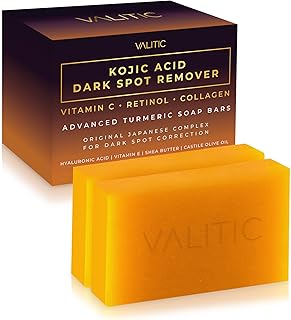
This shift towards multifunctional care is perfectly exemplified in products like our Dark Spot Corrector. Moving beyond a single-ingredient approach, such advanced formulas harness a blend of natural and scientifically-backed actives. They are designed to address dark spots from multiple angles: inhibiting melanin production, promoting the shedding of pigmented cells, and crucially, repairing and soothing the skin barrier. Ingredients like Licorice Root Extract, Tranexamic Acid, and Peptides can provide significant brightening effects while their anti-inflammatory and repairing properties help prevent irritation and rebound pigmentation. This holistic approach aligns with the goal of achieving an even complexion without compromising skin health, making it a suitable option for long-term maintenance after using or instead of stronger agents like Hydroquinone.
When considering any age spot treatment, a consistent and mindful skincare routine is paramount. The cornerstone of preventing and treating hyperpigmentation is daily, broad-spectrum sunscreen with an SPF of 30 or higher. Sun exposure is the primary driver of melanin production, and without protection, even the most potent treatment will fail. A gentle cleanser, a hydrating moisturizer, and the targeted application of your chosen corrector serum or cream form the basic regimen. It's also wise to introduce new active ingredients slowly, performing a patch test to check for sensitivity. For those transitioning from Hydroquinone, a gradual phase-over, perhaps using the alternatives on alternate days initially, can help the skin adjust and minimize potential irritation from the change in formulation.
Choosing the right product ultimately depends on your skin type, the severity of your pigmentation, and your tolerance for active ingredients. For severe, stubborn melasma that hasn't responded to other treatments, a short-term, dermatologist-supervised course of Hydroquinone may still be the most effective path. However, for maintaining results, treating milder sun spots, or for those with sensitive skin, a well-formulated natural alternative offers a sustainable and skin-nourishing solution. Look for products that are transparent about their ingredient list and combine brighteners with antioxidants and soothing agents. The journey to clear, even-toned skin is a marathon, not a sprint. Patience, consistency, and sun protection are your most powerful allies, whether you opt for the traditional power of Hydroquinone or embrace the new generation of multifaceted correctors focused on repair and long-term skin health.