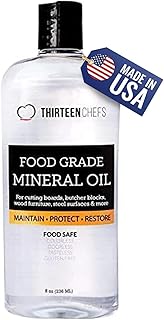
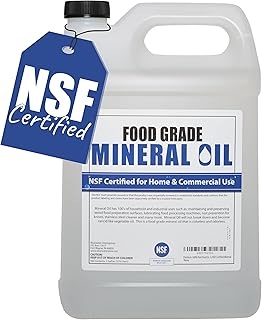
When it comes to maintaining the beauty and longevity of your wooden kitchenware, few products are as trusted and versatile as food-grade mineral oil. Specifically formulated for safety and efficacy, a product like Swan Mineral Oil 16 oz has become a staple in kitchens and workshops for its pure, non-toxic properties. Unlike vegetable oils that can turn rancid or varnishes that create a plastic-like seal, food-grade mineral oil penetrates deep into wood fibers, providing lasting protection without altering the taste or safety of your food. This comprehensive guide will explore the myriad uses of this essential oil, focusing on its role as a premier cutting board oil and butcher block oil, while also touching upon its other household applications.
The primary appeal of a dedicated product like Swan Mineral Oil lies in its purity and intended use. Not all mineral oils are created equal. The food grade mineral oil used for kitchen items undergoes a stringent refining process to remove impurities and contaminants, making it safe for incidental food contact. This is a critical distinction from technical or industrial-grade mineral oils. Using a non-food-safe oil on a cutting board could lead to chemical leaching into your food. Therefore, selecting a clearly labeled, food-safe option is non-negotiable for any kitchen wood care routine. For a reliable source, consider exploring options like Swan's 16 oz offering, which provides the perfect balance of quantity for regular maintenance.
Why Mineral Oil is the Gold Standard for Wood Conditioning
Wood is a porous, living material that reacts to its environment. It can dry out, crack, warp, and absorb odors and bacteria if not properly maintained. The science behind using mineral oil as a wood conditioner is simple yet effective. The oil's hydrocarbon molecules are small enough to seep into the microscopic pores of the wood, displacing moisture and creating a hydrophobic barrier. This barrier helps prevent water, juices, and bacteria from being absorbed into the wood, which is why it's the recommended treatment for butcher blocks and cutting boards. Unlike drying oils (like linseed or tung oil) that polymerize and harden, mineral oil remains fluid within the wood, requiring reapplication but offering a non-toxic, food-safe surface that won't chip or peel.
Step-by-Step Guide: How to Oil Your Cutting Board with Swan Mineral Oil
Proper application is key to effective protection. Here’s how to give your wooden cutting board or butcher block a professional-grade treatment using a food-safe oil like Swan Mineral Oil.
- Clean Thoroughly: Wash the board with warm, soapy water and a soft brush. Never submerge a wooden board in water or put it in the dishwasher, as this can cause cracking and warping.
- Dry Completely: Allow the board to air-dry completely for several hours or overnight. Oiling damp wood will trap moisture inside, leading to mold.
- Apply the Oil: Pour a generous amount of Swan Mineral Oil onto the board's surface. Using a clean, soft cloth or paper towel, rub the oil in, following the direction of the wood grain. Ensure you cover all surfaces, including the sides and edges.
- Let it Soak: Allow the oil to soak into the wood for a minimum of 20-30 minutes. For very dry or new boards, you may see the oil absorb quickly; apply a second coat if the wood looks thirsty.
- Wipe Off Excess: After soaking, use a clean cloth to wipe away any oil that hasn't been absorbed. A sticky surface means there's too much residual oil.
- Cure: Let the board rest in a well-ventilated area, untouched, for at least 6-12 hours, or ideally overnight, before using it again.
For new boards or severely dried-out wood, repeat this process for 3-4 consecutive days. For regular maintenance, oiling your board once a month is typically sufficient, depending on use.
Beyond the Kitchen: Other Household Uses for Food-Grade Mineral Oil
While its role as a cutting board oil is paramount, a bottle of 16 oz mineral oil has a surprising range of other practical applications around the home, thanks to its inert, protective nature.
- Tool and Toolbox Care: Lightly coating metal hand tools (screwdrivers, pliers, saw blades) with a thin film of mineral oil prevents rust and corrosion, especially in humid environments.
- Wooden Utensil and Bowl Maintenance: Just like cutting boards, wooden spoons, salad bowls, and rolling pins benefit greatly from occasional oiling to prevent drying and cracking.
- Sliding Door and Drawer Tracks: A small amount applied to metal tracks can silence squeaks and make drawers and doors glide smoothly without the gumminess of some lubricants.
- Protecting Cast Iron Cookware (Seasoning Aid): While flaxseed or vegetable oils are common for seasoning, a very thin layer of food-grade mineral oil can be used to coat a clean, dry cast iron pan for long-term storage, providing a excellent rust barrier.
- Personal Care & Laxative Use: It is crucial to note that laxative mineral oil is a specific pharmaceutical-grade product. While Swan Mineral Oil is food-grade, always consult a physician and use only products explicitly labeled and intended for internal medicinal use for this purpose.
Frequently Asked Questions About Mineral Oil
Is mineral oil safe for all cutting boards?
Food-grade mineral oil is safe and recommended for all wooden and bamboo cutting boards. It should not be used on plastic or composite stone boards. For end-grain butcher blocks, which are especially porous, regular oiling with a product like Swan Mineral Oil is essential for their upkeep.
How often should I oil my butcher block?
A new butcher block should be oiled daily for the first week, then weekly for a month. After that, a monthly treatment is usually adequate for home use. In commercial settings or with heavy use, bi-weekly oiling may be necessary. The key indicator is the wood's appearance; if it looks dry or pale, it's time for another coat of butcher block oil.
Can I use olive oil or coconut oil instead?
It is strongly discouraged. Plant-based oils like olive, vegetable, or coconut oil are organic and will oxidize over time, becoming rancid. This can impart bad odors and flavors to your food and create a sticky, spoiled surface that harbors bacteria. Food grade mineral oil is inert, odorless, tasteless, and does not go rancid, making it the only safe choice for long-term wood care in the kitchen.
What's the difference between mineral oil and butcher block conditioners?
Many commercial "butcher block conditioners" or "board creams" are blends of food-grade mineral oil and a natural wax, like beeswax or carnauba wax. The oil penetrates and conditions, while the wax sits on the surface, providing a slightly more water-resistant seal. Pure mineral oil, such as Swan's, is a perfect penetrant and is often recommended for initial, deep conditioning treatments before moving to a wax blend for surface protection.
Choosing the Right Product: Why Swan Mineral Oil 16 oz Stands Out
With numerous options on the market, selecting a high-quality oil is important. A 16 oz mineral oil bottle, like the one offered by Swan, is an ideal size for most households—large enough to last through multiple treatments but not so large that it sits unused for years. When evaluating a product, ensure it is explicitly labeled "Food Grade" or "USP Grade," indicating it meets safety standards for incidental food contact. Swan Mineral Oil provides this assurance in a convenient, no-fuss package. Its purity makes it an effective and reliable wood conditioner for all your kitchen's wooden assets.
In conclusion, incorporating a regular oiling routine with a trusted product like Swan Mineral Oil 16 oz is one of the simplest yet most impactful steps you can take to preserve your investment in quality wooden kitchenware. From protecting your cherished cutting board from stains and odors to ensuring your butcher block remains a hygienic and beautiful centerpiece for years to come, this versatile mineral oil is an indispensable tool in the modern kitchen. By understanding its proper use and benefits, you can extend the life and beauty of your wood products safely and effectively.