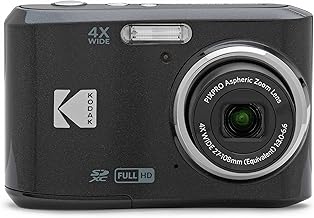
Sony Cybershot: A Complete Guide to the Iconic Digital Camera Line
For over two decades, the name Sony Cybershot has been synonymous with innovation and reliability in the world of compact digital photography. Born in an era when film was king, the Cybershot line helped usher in the digital revolution, making high-quality imaging accessible to millions. Whether you're a seasoned photographer looking for a capable backup camera or a beginner seeking an easy-to-use point-and-shoot, understanding the legacy and current offerings of the Sony Cybershot series is essential. This guide will walk you through its evolution, key features, and how to select the right model for your creative vision.
The Evolution of an Icon: From Megapixels to Mastery
The journey of the Sony Cybershot began in 1996, setting a new standard for what consumers could expect from a digital camera. Early models focused on conquering the megapixel race, but Sony quickly realized that great photography was about more than just resolution. The line evolved to incorporate groundbreaking technologies like Carl Zeiss lenses, which became a hallmark for superior optical quality. The introduction of the Exmor R CMOS sensor with back-illumination technology was a game-changer, dramatically improving low-light performance and reducing noise. Today, the Sony Cybershot portfolio is diverse, ranging from ultra-compact travel companions to advanced cameras with large 1-inch sensors that rival entry-level DSLRs in image quality.
Decoding the Cybershot Lineup: Key Series and Models
Navigating the various Sony Cybershot models can be confusing. The lineup is strategically segmented to cater to different user needs and skill levels. The W and WX series are typically the most affordable and compact, perfect for everyday snapshots and family events. For users demanding more creative control and better performance, the H series offers superzoom capabilities, sometimes with lenses boasting 50x optical zoom or more, making them ideal for wildlife or sports photography from a distance. At the pinnacle of the compact range sits the RX series. While technically a separate line, the RX100 models are the spiritual successors to the high-end Cybershot legacy, featuring 1-inch sensors that deliver exceptional dynamic range and bokeh.
What Makes a Sony Cybershot Stand Out?
Several core technologies define the modern Sony Cybershot experience. Beyond the renowned Carl Zeiss optics, Sony's BIONZ X image processor is crucial. It enables fast autofocus, rapid continuous shooting, and advanced noise reduction, ensuring you capture sharp images even in challenging conditions. Features like Optical SteadyShot image stabilization are invaluable for handheld shooting, especially at longer zoom lengths or in low light. Many models also boast impressive video capabilities, recording in Full HD or even 4K, along with versatile connectivity options like Wi-Fi, NFC, and Bluetooth for instant sharing to your smartphone.
Choosing Your Perfect Sony Cybershot: A Buyer's Framework
Selecting the right camera depends on your primary use case. Ask yourself these key questions: Is pocketability your top priority, or are you willing to carry a slightly larger body for more features? How important is zoom range versus low-light performance? For travelers and vloggers, a compact model with good video stabilization and a flip screen might be ideal. For parents capturing fast-moving kids, a camera with quick phase-detection autofocus (PDAF) is a must. Enthusiasts looking to step up from a smartphone should prioritize sensor size; a 1-inch sensor in a model like the RX100 series will provide a noticeable leap in image quality over smaller sensors.
Pro Tips for Getting the Most from Your Cybershot
Even the most advanced camera is only as good as the photographer behind it. To elevate your shots, move beyond full-auto mode. Experiment with Aperture Priority (A) mode to control depth of field, creating beautiful background blur for portraits. Learn to use the exposure compensation dial to brighten or darken your images on the fly. Don't underestimate the power of RAW file format if your model supports it; it gives you immense flexibility in post-processing to correct white balance and recover details from shadows and highlights. Finally, familiarize yourself with the custom function buttons—programming them for your most-used settings like ISO or focus mode can dramatically speed up your shooting workflow.
The Verdict: Why the Cybershot Legacy Endures
In a market increasingly dominated by smartphone cameras, the Sony Cybershot remains relevant by offering something phones still struggle with: dedicated photographic hardware and ergonomics. The physical zoom lens, larger sensor, and tactile controls provide a genuine photography experience that can inspire creativity and deliver superior results. From its historic role in popularizing digital photography to its current status as a source of powerful, portable cameras, the Cybershot line demonstrates Sony's enduring commitment to imaging innovation. Whether you choose an entry-level model or a premium compact, you're investing in a piece of photographic history backed by cutting-edge technology.