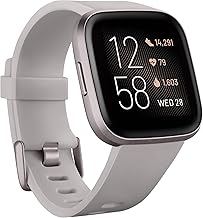
In the crowded world of fitness wearables, the Fitbit Versa 2 carved out a significant niche as a reliable, feature-packed smartwatch that balances health tracking with smart functionality. While newer models have since been released, the Versa 2 remains a compelling choice for many users due to its proven performance and accessible price point. However, to truly unlock its potential and avoid frustration, it's crucial to understand not just what it does, but how to use it effectively. This guide dives deep into the Versa 2's capabilities, explores its benefits for different lifestyles, and highlights common mistakes users make, helping you decide if this fitness smartwatch is the right companion for your health journey.
Unpacking the Core Features of the Fitbit Versa 2
At its heart, the Versa 2 is designed to be a comprehensive health and fitness hub on your wrist. Its suite of sensors and software provides a 360-degree view of your well-being. The cornerstone of its health tracking is the continuous heart rate monitor. Unlike devices that check your pulse intermittently, the Versa 2's optical sensor provides all-day tracking, giving you insights into your resting heart rate, cardio fitness level (VO2 Max), and how your heart responds to stress and exercise. This data is invaluable for tailoring workout intensity and monitoring overall cardiovascular health.
Another standout feature is its advanced sleep tracking. The watch automatically detects when you fall asleep and wake up, breaking down your night into stages: light, deep, and REM sleep. It provides a Sleep Score each morning, offering tangible feedback on your sleep quality. For those looking to improve their rest, this feature is a game-changer, helping identify patterns linked to caffeine, late-night screen time, or stress. Furthermore, its swim-proof design (water-resistant to 50 meters) means you don't have to take it off in the pool, allowing for tracking swim workouts and even monitoring heart rate while swimming.
Beyond Fitness: Smart Features and Daily Utility
The "smart" in smartwatch with music is fully realized with the Versa 2's integration of Amazon Alexa. With Alexa built-in, you can use your voice to set reminders, check the weather, control smart home devices, or start a workout—all hands-free. While it doesn't have a speaker for Alexa to talk back (responses appear on-screen), the convenience for quick tasks is significant. For music lovers, the ability to store and play over 300 songs directly from the watch to Bluetooth headphones is a major freedom, eliminating the need to carry your phone on a run.
As a daily activity tracker, it excels with automatic exercise recognition for runs, swims, and workouts, sending you reminders to move if you've been sedentary too long. The battery life, often lasting 5+ days, reduces charging anxiety and makes it a reliable device for continuous tracking. The always-on display option (at the cost of some battery) and customizable clock faces allow you to personalize the look to match your style, transitioning seamlessly from the gym to the office.
Who is the Fitbit Versa 2 Ideal For?
Identifying the right user profile is key to satisfaction. The Versa 2 is an excellent fit for fitness enthusiasts who want detailed health metrics without the complexity of a medical device. It's perfect for swimmers and runners thanks to its swim-proof design and built-in GPS connectivity (using your phone's GPS). It's also ideal for individuals focused on holistic health, combining activity, sleep, and heart rate data into a cohesive picture. However, it's less suited for hardcore athletes needing ultra-precise GPS metrics on the wrist or users deeply embedded in the Apple or Google ecosystems who might prefer tighter native integration.
Common Pitfalls and How to Avoid Them
Many user complaints stem from misunderstandings or incorrect usage. One major pitfall is expecting standalone GPS. The Versa 2 uses *Connected GPS*, meaning it pairs with your smartphone's GPS. Forgetting your phone on a run means you'll get heart rate and pace data, but not a mapped route. Always ensure your phone is with you for outdoor workouts if route tracking is essential.
Another common issue is inaccurate heart rate readings during high-intensity interval training (HIIT) or activities with rapid wrist movements. The optical sensor can struggle with sudden changes. For the most accurate readings, ensure the band is snug (but not tight) about a finger's width above your wrist bone. Also, users often overlook the Fitbit app's wealth of insights. The Versa 2 is a data collection tool; its true power is unlocked in the app where trends, guided programs, and community challenges reside. Not engaging with the app is like buying a book and never opening it.
Finally, some users are disappointed by the limitations of the Alexa integration. Remember, it's a voice-command feature, not a full smart speaker. Setting realistic expectations for what it can do—primarily quick info and smart home control—will lead to a better experience. For those seeking the latest model with built-in GPS and a more responsive interface, exploring the Versa 2's product page is a great start, but it's worth comparing it to newer iterations like the Versa 4.
Maximizing Your Versa 2 Experience: Pro Tips
To get the most from your device, sync it regularly to keep the software updated with the latest features and bug fixes. Utilize the female health tracking in the app if applicable, as it integrates cycle data with sleep and activity trends. Explore third-party clock faces and apps in the Fitbit Gallery to expand functionality. For sleep tracking, enable the "Sleep Mode" to automatically silence notifications and dim the screen at night. Most importantly, use the data proactively. Don't just collect sleep scores; notice what behaviors lead to a higher score and adjust your routine accordingly.
Final Verdict: Is the Fitbit Versa 2 Still a Worthy Choice?
The Fitbit versa 2 remains a solid, value-oriented smartwatch in the fitness tracker landscape. Its strengths lie in comprehensive health tracking—particularly sleep and continuous heart rate—long battery life, and useful smart features like music storage and Alexa. Its weaknesses are the lack of onboard GPS and a somewhat dated design compared to newer smartwatches. If your primary goals are improving sleep, tracking daily activity and heart rate, and having a reliable, swim-proof companion for workouts without needing your phone on your wrist, the Versa 2 is an excellent and often more affordable option. By understanding its features fully and avoiding the common setup and usage mistakes, you can make this versatile health tracker a powerful tool in achieving your wellness objectives.