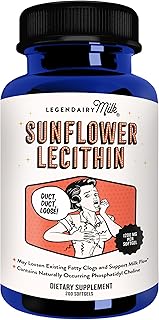
In the world of natural supplements, few ingredients offer the versatility and foundational support of sunflower lecithin. Derived from the seeds of the sunflower plant, this powerful emulsifier and nutrient source has become a cornerstone for those seeking a soy-free alternative to traditional lecithin. Unlike its soybean-derived counterpart, sunflower lecithin is often preferred for its cleaner extraction process and lower likelihood of being genetically modified, making it a prime choice for a non-GMO supplement regimen. This comprehensive guide will explore the science-backed benefits, practical uses, and key considerations for incorporating this remarkable supplement into your daily wellness routine.
What is Sunflower Lecithin and How is it Different?
Sunflower lecithin is a fatty substance extracted from sunflower seeds through a gentle cold-pressing process, unlike the chemical solvents often used for soy lecithin. Its primary active component is phosphatidylcholine, a type of phospholipid that is crucial for cell membrane integrity and function. This natural extraction method not only preserves the nutrient profile but also aligns with clean-label preferences, resulting in a product that is typically soy-free and free from common allergens. For individuals with soy sensitivities or those following a strict non-GMO diet, sunflower lecithin presents an ideal solution, providing the same functional benefits without the associated concerns of soy-based products.
The Science-Backed Health Benefits of Sunflower Lecithin
1. Cognitive Function and Brain Health
One of the most celebrated roles of sunflower lecithin is its support for cognitive function. The phosphatidylcholine it contains is a precursor to acetylcholine, a vital neurotransmitter involved in memory, learning, and muscle control. Studies suggest that adequate choline intake, which phosphatidylcholine provides, is essential for maintaining brain plasticity and may support cognitive health as we age. This makes a high-quality phosphatidylcholine supplement a valuable addition for anyone focused on long-term brain health and mental clarity.
2. Liver Function and Fat Metabolism
The liver relies on phosphatidylcholine to package and export fats, preventing the accumulation of fat in the liver itself—a condition known as hepatic steatosis. By supporting the liver's natural fat-processing pathways, sunflower lecithin acts as a potent form of liver support. It helps emulsify fats, making them easier for the body to process and utilize, which can contribute to overall metabolic health and efficient nutrient absorption.
3. Cardiovascular Wellness
Emerging research points to the potential role of lecithin in managing cholesterol levels. It may help modulate the size and density of lipoprotein particles, potentially influencing heart health markers. Furthermore, by aiding in the emulsification of dietary fats, it can support healthy circulation and vascular function, contributing to a comprehensive approach to cardiovascular wellness.
4. Digestive Comfort and Gut Health
As a natural emulsifier, sunflower lecithin can help blend fats with water-based digestive juices, improving the breakdown and absorption of dietary fats. This can lead to reduced digestive discomfort after fatty meals and support a healthier gut environment. For individuals with gallbladder issues or those who have had their gallbladder removed, this emulsifying action can be particularly beneficial for managing fat digestion.
Key Components: Why Phosphatidylcholine Matters
At the heart of sunflower lecithin's efficacy is its rich content of phosphatidylcholine. This phospholipid is not just a source of choline; it's a structural component of every cell in your body. It contributes to the fluidity and integrity of cell membranes, which affects everything from nutrient transport to cellular communication. When selecting a phosphatidylcholine supplement, potency is key. A product like Micro Ingredients Sunflower Lecithin provides a substantial 2,400mg per serving, ensuring you receive a clinically relevant dose to support these vital bodily functions.
Choosing a High-Quality Sunflower Lecithin Supplement
Not all sunflower lecithin supplements are created equal. To ensure you're getting a product that delivers on its promises, consider these critical factors:
- Sourcing and Purity: Opt for supplements derived from non-GMO sunflower seeds, like the Micro Ingredients formulation, which guarantees a non-GMO and gluten-free profile. The extraction method should be cold-pressed, avoiding harsh chemical solvents.
- Potency and Dosage: Look for clear labeling of phosphatidylcholine content. A dosage of 1,200mg to 2,400mg of sunflower lecithin per serving is common for general health support. The 2,400mg softgel format offers convenience and precise dosing.
- Form and Bioavailability: Softgels, often using a sunflower seed oil base, can protect the sensitive phospholipids from oxidation and may enhance absorption compared to powders for some individuals.
- Third-Party Testing: Choose brands that verify purity and potency through independent lab testing, ensuring the product is free from heavy metals, pesticides, and microbial contaminants.
Who Can Benefit from Sunflower Lecithin?
The applications for sunflower lecithin are broad, making it a useful supplement for diverse populations:
- Individuals Seeking Cognitive Support: Students, professionals, and older adults looking to maintain focus, memory, and overall brain health.
- Those with Dietary Restrictions: People following soy-free, gluten-free, or non-GMO diets will find sunflower lecithin to be a compatible choice.
- Anyone Focusing on Liver or Metabolic Health: Individuals concerned with fat metabolism, liver function, or cholesterol management.
- People Experiencing Digestive Issues with Fats: Those who have discomfort digesting fatty foods may find relief through improved emulsification.
Integrating Sunflower Lecithin into Your Routine
For general wellness, a typical dosage ranges from 1,200mg to 2,400mg daily, often taken with a meal to aid in fat absorption. Consistency is more important than taking a massive dose occasionally. As with any new supplement, it's wise to start with a lower dose to assess tolerance. While sunflower lecithin is generally well-tolerated, some individuals might experience mild digestive effects initially. Pairing your supplement with a balanced diet rich in whole foods will maximize its supportive benefits.
Beyond the Supplement: A Holistic Approach
While a high-potency supplement like Micro Ingredients Sunflower Lecithin provides a concentrated source of phosphatidylcholine, it works best as part of a holistic health strategy. This includes a nutrient-dense diet, regular physical activity, adequate hydration, and quality sleep. Remember, supplements are designed to complement a healthy lifestyle, not replace its foundational elements.
Final Thoughts on This Versatile Supplement
Sunflower lecithin stands out as a multifaceted, soy-free nutritional supplement with profound implications for brain, liver, and metabolic health. Its key component, phosphatidylcholine, plays a non-negotiable role in cellular function and communication. By choosing a high-quality, potent, and purely sourced product, you invest in a foundational aspect of your well-being. Whether your goal is sharper cognition, liver support, or simply incorporating a clean, non-GMO supplement into your regimen, sunflower lecithin offers a science-backed path to achieving it.