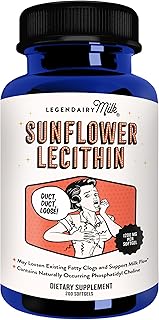
In the world of natural supplements, few ingredients have gained as much attention for their versatility and health-promoting properties as sunflower lecithin. Derived from the seeds of sunflowers, this natural emulsifier is packed with phospholipids, primarily phosphatidylcholine, which play crucial roles in cellular function and overall health. Unlike its more common counterpart, soy lecithin, sunflower lecithin is often preferred for being non-GMO, allergen-friendly, and processed using gentler, chemical-free methods. This comprehensive guide will delve into the science-backed benefits, practical uses, and key considerations for incorporating this powerful supplement into your wellness routine.
What is Sunflower Lecithin?
Sunflower lecithin is a fatty substance extracted from sunflower seeds. The extraction process typically involves cold pressing and dehydration, which helps preserve its nutritional integrity. The result is a rich source of essential phospholipids, including phosphatidylcholine, phosphatidylinositol, and phosphatidylethanolamine. These compounds are fundamental building blocks of cell membranes throughout the body, influencing everything from nerve signaling to nutrient transport. As a natural emulsifier, it helps blend fats and water, a property that makes it invaluable both in food production and in supporting bodily functions like digestion and cholesterol metabolism.
Top Health Benefits of Sunflower Lecithin
1. Supports Brain Health and Cognitive Function
Phosphatidylcholine, a major component of sunflower lecithin, is a precursor to acetylcholine, a vital neurotransmitter involved in memory, learning, and muscle control. Studies suggest that adequate choline intake is linked to improved cognitive performance and may support brain health as we age. By providing a bioavailable source of choline, sunflower lecithin can contribute to maintaining healthy brain cell membranes and supporting optimal nervous system communication.
2. Promotes Liver Health and Fat Metabolism
The liver relies on phospholipids to package and transport fats. Supplementing with sunflower lecithin may support liver function by helping to prevent the accumulation of fat in the liver—a condition known as fatty liver disease. Its emulsifying properties aid in breaking down dietary fats, making them easier for the body to process and utilize, thereby taking some of the metabolic load off this vital organ.
3. Aids in Cholesterol Management
Research indicates that lecithin can help modulate cholesterol levels. It is believed to assist in the breakdown of cholesterol and other fats, potentially preventing them from adhering to arterial walls. By promoting a healthier lipid profile, sunflower lecithin can be a valuable part of a heart-healthy lifestyle, supporting cardiovascular function.
4. Enhances Digestive Wellness
For individuals struggling with fat digestion or gallbladder issues, sunflower lecithin can act as a gentle aid. Its emulsifying action helps create smaller, more digestible fat globules, easing the digestive process. Furthermore, it may support the health of the gut lining, contributing to a robust digestive tract.
5. Supports Skin Health and Moisture
The phospholipids in lecithin are excellent humectants, meaning they help attract and retain moisture. When used topically or taken internally, it can contribute to skin hydration, elasticity, and barrier function. This makes it a popular, nourishing ingredient in natural skincare formulations.
Practical Uses and How to Incorporate It
Sunflower lecithin is incredibly versatile. It's available in several forms, including granules, powder, softgels, and liquid. Granules or powder can be easily blended into smoothies, oatmeal, yogurt, or baked goods without significantly altering taste. A common starting dosage is one tablespoon (or about 10-15 grams) of granules or powder per day, or as directed on the supplement label. For those seeking convenience, softgels provide a pre-measured, tasteless option. In the kitchen, its emulsifying power makes it a fantastic natural additive for creating stable salad dressings, homemade mayonnaise, or even vegan cheeses, preventing ingredients from separating.
Sunflower Lecithin vs. Soy Lecithin: Why Choose Sunflower?
While both are excellent sources of phospholipids, sunflower lecithin holds distinct advantages for many consumers. Firstly, sunflowers are not a common allergen, making it a safer choice for those with soy allergies or sensitivities. Secondly, the vast majority of soy crops are genetically modified and heavily treated with pesticides, whereas sunflower crops are typically non-GMO and require fewer chemical inputs. Finally, the extraction process for sunflower lecithin often involves cold pressing, a mechanical method that avoids harsh chemical solvents like hexane, which are sometimes used in soy lecithin production. This results in a cleaner, more natural final product.
How to Choose a High-Quality Sunflower Lecithin Supplement
Not all supplements are created equal. When shopping for sunflower lecithin, look for these key indicators of quality:
- Source & Processing: Opt for products explicitly labeled as "non-GMO" and "hexane-free." Cold-pressed or expeller-pressed options are preferable.
- Form & Purity: Check the ingredient list. It should contain 100% sunflower lecithin without unnecessary fillers, flow agents, or artificial additives.
- Certifications: Look for third-party verification from organizations like NSF International or USP, which test for purity and potency.
- Packaging: Lecithin can degrade when exposed to light and air. Choose products in opaque, airtight containers to ensure freshness and potency.
Potential Side Effects and Considerations
Sunflower lecithin is generally well-tolerated and considered safe for most people. However, when first introducing it, some individuals may experience mild digestive discomfort, such as bloating or loose stools, as the body adjusts. Starting with a smaller dose and gradually increasing it can help mitigate this. As with any supplement, it's prudent to consult with a healthcare professional before beginning a new regimen, especially if you are pregnant, breastfeeding, taking medications, or have a pre-existing medical condition.
Conclusion: A Versatile Ally for Holistic Health
From supporting cognitive sharpness and liver function to aiding digestion and skin health, sunflower lecithin offers a broad spectrum of benefits backed by its unique phospholipid composition. Its non-GMO, allergen-friendly, and cleanly processed nature makes it a standout choice in the lecithin market. Whether you stir it into your morning smoothie or take it in capsule form, incorporating a high-quality sunflower lecithin supplement can be a simple yet powerful step toward enhancing your overall wellness. Remember to prioritize quality when selecting a product and listen to your body as you integrate this beneficial nutrient into your daily life.


