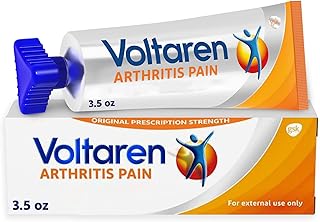
For millions seeking relief from localized pain, topical solutions offer a targeted approach with potentially fewer systemic side effects than oral medications. Among these, Voltaren Cream has emerged as a prominent choice for managing discomfort associated with osteoarthritis and other musculoskeletal conditions. This article provides a comprehensive guide to Voltaren Cream, exploring its mechanism, appropriate uses, and how to integrate it effectively into a pain management routine.
What is Voltaren Cream?
Voltaren Cream is the brand name for a topical formulation of diclofenac sodium, a nonsteroidal anti-inflammatory drug (NSAID). Unlike oral NSAIDs that work throughout the body, this cream is designed for direct application to the skin over painful joints or muscles. The active ingredient, diclofenac, works by inhibiting cyclooxygenase (COX) enzymes at the site of application. These enzymes are responsible for producing prostaglandins, chemicals that promote inflammation, pain, and fever. By reducing prostaglandin levels locally, Voltaren Cream helps alleviate pain and swelling precisely where it's needed.
Approved Uses and Benefits of Voltaren Cream
The primary and FDA-approved use of Voltaren Cream is for the relief of osteoarthritis pain in joints amenable to topical treatment, such as the knees, hands, and elbows. Its benefits stem from its targeted action:
- Localized Pain Relief: Delivers the anti-inflammatory power of diclofenac directly to the painful area, minimizing drug exposure to the rest of the body.
- Reduced Systemic Side Effects: Because a much smaller amount of the drug enters the bloodstream compared to oral diclofenac, the risk of common NSAID-related stomach, kidney, or cardiovascular issues is significantly lower.
- Non-Greasy Formula: The cream formulation is generally designed to absorb relatively quickly without leaving a heavy, greasy residue, making it convenient for daytime use.
- Complementary Therapy: It can be used alongside other pain management strategies, such as physical therapy, exercise, and oral medications (under a doctor's guidance), for a multi-faceted approach.
Many users find it particularly helpful for managing the daily aches and stiffness associated with osteoarthritis, allowing for improved mobility and function. It's important to note that while it treats pain and inflammation, it does not cure the underlying joint degeneration of osteoarthritis.
How to Use Voltaren Cream Correctly
For safe and effective results, proper application is key. Always follow the instructions on the package or those given by your healthcare provider. General guidelines include:
- Clean and Dry the Area: Wash your hands and the skin over the painful joint. Ensure the skin is clean, dry, and has no cuts, open wounds, infections, or rashes.
- Apply the Correct Dose: For each joint (e.g., one knee or one hand), use a 2-gram dose (approximately a 2-inch strip of cream). Do not apply more than a total of 8 grams per day to all affected joints combined.
- Gently Rub It In: Apply the cream and gently massage it into the skin until it is fully absorbed. Do not apply it with a bandage or cover it with airtight dressings.
- Wash Your Hands: Immediately after application, wash your hands thoroughly unless your hands are the treated area. If treating your hands, wait at least 30 minutes before washing them.
- Avoid Contact: Do not allow the treated area to come into contact with eyes, mucous membranes, or broken skin. Do not shower or bathe for at least 30 minutes after application.
Consistency is important. It may take up to 7 days of regular use (applied 4 times daily) to feel the full pain-relieving effects. Do not use it for more than 21 days unless directed by your doctor.
Safety Considerations and Potential Side Effects
While Voltaren Cream is generally well-tolerated, it is not without risks. Being an NSAID, it carries warnings. The most common side effects are localized to the application site and may include dryness, rash, itching, or burning. More serious but less common side effects can occur, especially if the medication is absorbed into the bloodstream. These can include:
- Increased risk of cardiovascular events (heart attack, stroke).
- Increased risk of serious gastrointestinal events (bleeding, ulcers).
- Kidney or liver damage.
- Severe skin reactions.
Important Contraindications: Do not use Voltaren Cream if you are allergic to diclofenac, aspirin, or other NSAIDs. You should also avoid it if you are in the late stages of pregnancy. Discuss your full medical history with your doctor, especially if you have heart disease, high blood pressure, stomach ulcers, bleeding problems, or kidney or liver disease. Inform your doctor of all medications and supplements you take, as topical analgesics can interact with drugs like blood thinners, other NSAIDs, and certain antidepressants.
Voltaren Cream vs. Other Pain Relief Options
Understanding where Voltaren Cream fits among other options can help in making an informed choice.
- vs. Oral NSAIDs (e.g., ibuprofen, naproxen): Oral NSAIDs provide whole-body relief but have a higher risk of stomach and cardiovascular side effects. Voltaren Cream offers targeted relief with less systemic risk, making it preferable for localized joint pain.
- vs. Other Topical Analgesics: Menthol or capsaicin creams (like Icy Hot or Capzasin) work by creating a heating/cooling sensation or depleting a pain-transmitting chemical (Substance P). Voltaren is an anti-inflammatory, addressing the root cause of pain in conditions like arthritis, whereas others may only mask the pain sensation.
- vs. Voltaren Gel: Voltaren Gel is another topical diclofenac formulation, but it is typically available in a higher prescription strength (1%) for osteoarthritis. The over-the-counter cream is often 1% as well in some markets, but formulations can vary. The gel may have different absorption properties. Consult a pharmacist or doctor on which formulation is suitable for you.
Integrating Voltaren Cream into a Holistic Pain Management Plan
For chronic conditions like osteoarthritis, medication is just one piece of the puzzle. A comprehensive approach yields the best results. Consider combining the use of Voltaren Cream with:
- Regular, Low-Impact Exercise: Activities like swimming, walking, or cycling strengthen muscles around joints, improving stability and reducing pain.
- Weight Management: Maintaining a healthy weight reduces stress on weight-bearing joints like knees and hips.
- Physical Therapy: A therapist can teach exercises and techniques to improve joint function and pain relief.
- Heat and Cold Therapy: Applying heat can relax muscles and improve stiffness, while cold packs can reduce acute inflammation and numb pain.
- Healthy Diet: An anti-inflammatory diet rich in fruits, vegetables, and omega-3 fatty acids may help manage systemic inflammation.
Always coordinate these strategies with your healthcare provider to create a safe and personalized plan.
Frequently Asked Questions About Voltaren Cream
How long does it take for Voltaren Cream to work?
Some people may feel relief after the first application, but for osteoarthritis pain, it can take up to 7 days of regular use (four times daily) to experience the full benefit. Patience and consistent application are important.
Can I use Voltaren Cream for back pain or muscle strains?
While it is only FDA-approved for osteoarthritis pain in specific joints, doctors may sometimes recommend it "off-label" for other types of localized musculoskeletal pain. You should never self-prescribe for unapproved uses. Always consult your doctor to see if it's appropriate for your specific type of back pain or muscle injury.
Is Voltaren Cream safe for long-term use?
The OTC labeling typically recommends use for up to 21 days. For longer-term management of chronic conditions like osteoarthritis, you must consult your doctor. They can assess the benefits and risks, monitor for side effects, and determine if continued use is safe for you.
Can I use a heating pad after applying Voltaren Cream?
It is not recommended. Heat may increase the absorption of the drug through the skin, potentially leading to higher systemic levels and an increased risk of side effects. Wait until the cream is fully absorbed and the area is no longer moist.
Final Thoughts
Voltaren Cream represents a valuable tool in the arthritis care and pain management arsenal. Its ability to deliver effective anti-inflammatory action directly to the site of pain with a favorable safety profile (compared to oral NSAIDs) makes it a first-line consideration for many with osteoarthritis of the hands, knees, and elbows. However, it is a medication with serious potential risks and should be used responsibly. Always read the label carefully, use it as directed, and have an open conversation with your healthcare provider to ensure it aligns with your overall health profile and pain management goals. By using it correctly as part of a broader healthy lifestyle, you can work towards managing pain and maintaining an active life.