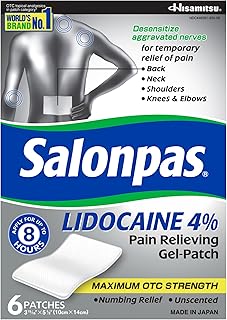
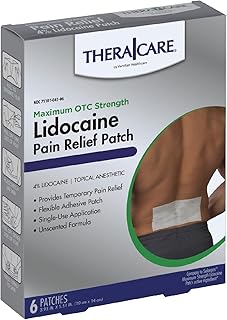
If you're among the millions seeking effective, localized pain relief without the systemic side effects of oral medications, you've likely heard about lidocaine patches. These innovative topical solutions have revolutionized how we manage chronic and acute discomfort, offering a direct approach to soothing sore muscles and joints. This comprehensive guide will delve into everything you need to know about these patches, from their mechanism of action to practical application tips, helping you make an informed decision for your pain management strategy.
What Are Lidocaine Patches and How Do They Work?
Lidocaine patches are medicated adhesive bandages that deliver a local anesthetic—lidocaine—directly through the skin to the underlying nerves. Unlike pills that travel through your bloodstream affecting your entire body, these patches provide targeted relief precisely where you need it. The lidocaine works by temporarily blocking sodium channels in the nerve fibers, which prevents them from sending pain signals to your brain. This results in a numbing sensation that can significantly reduce discomfort for extended periods, often up to 12 hours per application as seen in products like the Teemofe Maximum Strength Pain Patches.
Who Can Benefit from Using Lidocaine Patches?
The applications for lidocaine patches are remarkably broad. They are particularly beneficial for individuals suffering from musculoskeletal pain. This includes office workers with chronic neck and shoulder tension from poor posture, athletes recovering from knee strains, construction workers with persistent back pain, and seniors managing osteoarthritis discomfort. They are also a valuable tool for post-surgical pain at incision sites or for neuropathic pain conditions like post-herpetic neuralgia (shingles pain). Essentially, anyone experiencing localized, non-open wound pain can potentially find relief with this targeted approach.
Key Advantages of Choosing Lidocaine Patches for Pain Relief
Targeted, Localized Action
The primary benefit is the direct delivery of medication to the pain site. This minimizes the amount of drug circulating in your bloodstream, reducing the risk of systemic side effects commonly associated with oral NSAIDs or opioids, such as stomach upset, drowsiness, or dependency.
Long-Lasting Relief
Many high-quality patches, including maximum strength formulations, are designed to provide steady relief for up to 12 hours. This means you can apply one in the morning and enjoy pain-free mobility throughout your workday, or apply one at night to soothe aches and promote restful sleep without interruption.
Ease of Use and Discretion
Patches are incredibly user-friendly. Simply peel and apply to clean, dry, intact skin over the painful area. They are thin and flexible, conforming to body contours like the knee, shoulder, or lower back, and are discreet enough to wear under clothing.
Common Uses: Where to Apply Your Pain Relief Patch
Understanding where to apply your patch is crucial for effectiveness. Common application sites include:
- Neck and Shoulders: Ideal for tension from stress, poor posture, or conditions like cervical strain. Applying a patch to the trapezius muscle can work wonders.
- Lower Back: A major area for chronic pain due to herniated discs, muscle spasms, or sciatica. Patches can be placed on either side of the spine (never directly on it).
- Knees: Excellent for osteoarthritis pain, tendonitis, or post-exercise soreness. The patch can be applied to the front or sides of the knee.
- Joints and Muscles: Effective for elbow pain (tennis elbow), wrist discomfort, or calf muscle cramps.
For a product designed specifically for these key areas, consider the Teemofe patch, which is formulated for muscle relief in the neck, knee, back, and shoulders.
How to Use Lidocaine Patches Correctly for Maximum Benefit
To get the most out of your pain relief patches, proper application is key. First, clean and dry the skin area thoroughly. Avoid using lotions, oils, or creams beforehand as they can create a barrier. Peel the backing off the patch and apply it firmly to the skin, smoothing out any air bubbles. Most patches are designed for 12 hours on, followed by 12 hours off to allow your skin to breathe. Never cut a patch, as this disrupts the controlled drug delivery system. Always wash your hands after application to avoid accidentally transferring lidocaine to your eyes or mouth.
What to Look for When Choosing a Lidocaine Patch
Not all patches are created equal. When selecting a product, consider these factors:
- Lidocaine Strength: Patches typically come in 4% lidocaine concentration, which is the maximum strength available over-the-counter.
- Adhesive Quality: A strong, hypoallergenic adhesive ensures the patch stays in place for the full 12 hours without causing irritation.
- Size and Flexibility: The patch should be large enough to cover the painful area and flexible enough to move with your body.
- Brand Reputation and Value: Consider multi-packs, like a 30-count box, which offer better value for chronic pain management. Reading reviews can provide insight into real-world effectiveness.
Safety Considerations and Potential Side Effects
While generally safe for most adults, it's important to use maximum strength pain patches responsibly. Do not apply to broken, irritated, or swollen skin. Avoid using heating pads or direct heat over the patch, as this can increase drug absorption to unsafe levels. Minor side effects may include redness, itching, or a burning sensation at the application site. Serious side effects are rare but can include signs of an allergic reaction or systemic toxicity (dizziness, confusion, irregular heartbeat) if overused. Always consult with a healthcare provider before starting any new pain treatment, especially if you have liver disease, are pregnant, or are taking other medications.
Integrating Lidocaine Patches into a Holistic Pain Management Plan
For best results, view lidocaine patches as one tool in your pain relief toolkit. They work exceptionally well when combined with other strategies. Gentle stretching or physical therapy can address the root cause of muscle tightness. Maintaining good posture reduces strain on the neck and back. Applying ice for acute inflammation or using heat for chronic stiffness can complement the patch's effects. For chronic conditions like knee osteoarthritis, weight management is also a critical component. The patch manages the symptom (pain), allowing you to engage more comfortably in the activities and therapies that address the cause.
Conclusion: Taking Control of Your Pain
Lidocaine patches represent a significant advancement in accessible, targeted pain management. They offer a safe, effective, and convenient way to regain control over your daily life without being sidelined by neck, back, shoulder, or knee pain. By understanding how they work, using them correctly, and choosing a high-quality product designed for long-lasting relief, you can confidently step toward a more active and comfortable lifestyle. Remember, managing pain is a journey, and these patches can be a reliable companion every step of the way.