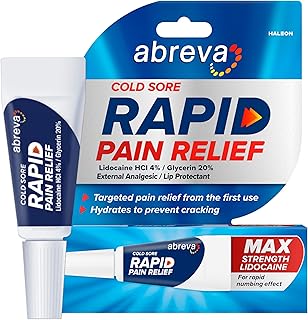
If you're one of the millions who suffer from painful, unsightly cold sores, you know the desperate search for a treatment that works—and works fast. The moment that familiar tingle or burning sensation starts on your lip, the clock begins ticking. Enter 10% docosanol cold sore treatment, the active ingredient in the well-known brand Abreva. Marketed as the only non-prescription cold sore medicine approved by the FDA to shorten healing time, it promises to treat your fever blister in as little as 2.5 days. But does it live up to the hype? In this comprehensive review, we'll dive deep into the science of docosanol, analyze real user experiences, and provide you with everything you need to know to decide if this cold sore treatment is right for you.
What is Abreva and How Does Docosanol Work?
Abreva is an over-the-counter topical cream whose sole active ingredient is docosanol 10%. Unlike many other lip sore remedies that merely soothe symptoms or create a protective barrier, docosanol is believed to work by interfering with the virus's ability to enter healthy skin cells. The herpes simplex virus (HSV-1), which causes most cold sores, needs to fuse with the cell membrane to infect it. Docosanol, a saturated 22-carbon alcohol, is thought to integrate into the cell membrane, making it more difficult for the virus to attach and penetrate. This antiviral mechanism is unique among non-prescription options and is why docosanol cream is classified as a therapeutic agent rather than just a palliative one.
Clinical Evidence and Effectiveness: The 2.5-Day Claim
The bold claim of healing in 2.5 days is based on clinical studies. In trials, median healing time for patients using docosanol 10% cream was 4.1 days, compared to 4.8 days for the placebo vehicle. While not exactly 2.5 days for everyone, this represents a statistically significant reduction. It's crucial to understand that "healing time" refers to the time from the first appearance of the blister (the papule stage) until the sore is completely healed (re-epithelialization). The key to achieving the best results is early application. Users who apply fast cold sore relief treatments like Abreva at the very first sign of tingling or itching—the prodromal stage—report the most dramatic reduction in severity and duration.
How to Use Abreva Correctly for Maximum Benefit
Proper application is critical for any medication's success. For Abreva, cleanse the affected area gently and dry it thoroughly. Apply a small amount of cream just enough to cover the sore and a small margin of skin around it. Rub it in gently but completely until it disappears. This should be done five times daily, approximately every 3-4 hours while awake. Continue treatment until the sore is fully healed. It's important to wash your hands before and after application to prevent spreading the virus to other parts of your body (like your eyes) or to other people. Avoid sharing towels, utensils, or lip products during an outbreak.
Real User Reviews and Experiences
Scouring thousands of user reviews paints a nuanced picture. Many users are fervent advocates, swearing by Abreva's ability to stop a cold sore in its tracks if caught early. They report that a sore that typically lasts 10-14 days is reduced to 4-5 days. Common praises include its non-greasy texture, lack of strong odor, and the speed at which it reduces pain and inflammation. However, some users find it less effective if applied after the blister has fully formed. A minority report skin dryness or a slight burning sensation upon application. The consensus is clear: it is not a cure, but for many, it is the most effective over-the-counter cold sore treatment available without a prescription.
Abreva vs. Other Cold Sore Treatment Options
How does this docosanol-based treatment stack up against the competition?
- Prescription Antivirals (e.g., Valtrex, Zovirax): These oral or topical medications attack the virus directly and are generally considered more potent for severe or frequent outbreaks. However, they require a doctor's visit and prescription.
- Over-the-Counter Analgesics & Protectants: Products containing benzocaine or lidocaine (like Orajel) numb the pain but do not shorten healing. Products like Compeed patches create a moist healing environment and hide the sore but are not antiviral.
- Home Remedies: Lemon balm, lysine supplements, ice, and tea tree oil have anecdotal support but lack the robust clinical evidence backing docosanol.
The 10 Percent Docosanol Cold Sore Treatment occupies a unique middle ground: an FDA-approved, non-prescription therapeutic with a specific antiviral mechanism.
Pros and Cons of Using Abreva
Pros:
- FDA-approved to shorten healing time.
- Unique antiviral mechanism of action among OTC products.
- Can be highly effective when used at the first sign.
- Widely available in pharmacies and online.
- Discreet, easy-to-carry tube.
Cons:
- Can be expensive compared to simple protectants.
- Effectiveness diminishes if treatment starts late.
- Requires diligent application 5 times a day.
- May not work for everyone; viral strains can vary.
Tips for Preventing Cold Sore Outbreaks
While having a treatment like Abreva on hand is smart, prevention is ideal. Common triggers include stress, fatigue, hormonal changes, sun exposure, and illness. Using a lip balm with SPF 30 or higher daily can prevent sun-induced outbreaks. Managing stress through exercise, meditation, or adequate sleep can reduce frequency. For those with frequent outbreaks, discussing long-term suppressive antiviral therapy with a doctor may be an option. Keeping your immune system strong with a balanced diet and not sharing personal items are also key preventive measures.
Final Verdict: Is Abreva Worth It?
For individuals seeking a scientifically-backed, non-prescription option to actively fight a cold sore, Abreva is a compelling choice. Its value is highest for those who are adept at recognizing the earliest warning signs and can commit to the five-times-daily application schedule. It is less of a miracle cure for a fully erupted blister and more of a strategic tool to deploy at the first hint of trouble. The 2.5-day claim should be viewed as a best-case scenario achieved with perfect, early use. For many, even reducing an outbreak by a few days and lessening the pain is a significant victory. If you're tired of just masking symptoms and want an OTC treatment that tackles the virus itself, keeping a tube of this fever blister cream in your medicine cabinet is a wise investment in faster healing and peace of mind.